Context
The historic havelis of Rajasthan’s Shekhawati region have recently been included in UNESCO’s Tentative List, highlighting their architectural and artistic significance.
What are Havelis?
- Havelis are traditional large houses built around a central courtyard, mainly found in northwestern India, including Rajasthan, Gujarat and Punjab.
- The term comes from the Arabic hawali, meaning an enclosed private space.
- Their courtyard-based design provides natural light and ventilation, suited to hot climates.
- Key features include jharokhas (projecting balconies), carved work, lattice screens, ornate entrances and frescoes.
- Many are now preserved as heritage properties, museums and cultural centres.
Shekhawati Havelis
- Location: Northeastern Rajasthan, known for its richly decorated historic havelis.
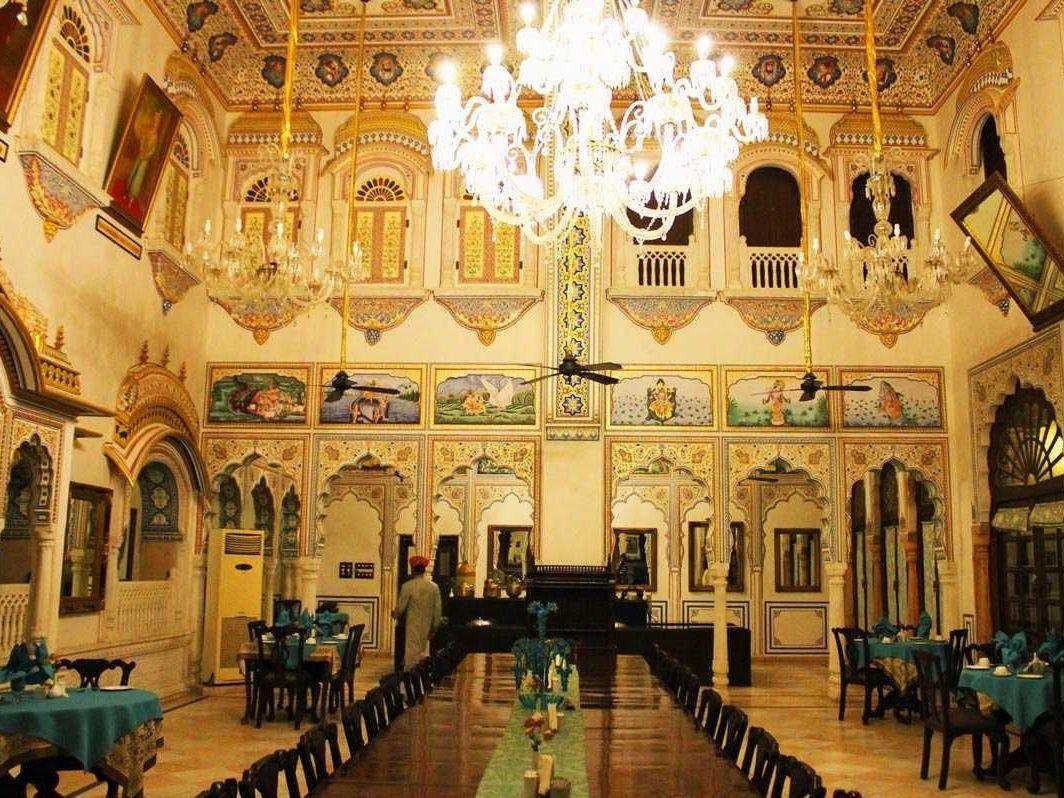
- The havelis are famous for frescoes depicting mythology, royal life, local traditions and everyday activities.
- Later artworks also show modern technology and foreign influences, reflecting social change.
- Architectural features include ornate gateways, courtyards, jharokhas and carved façades.
- Together, their architecture and fresco art form a distinctive cultural landscape of Rajasthan.
Additional Information: UNESCO Tentative List
- What is it? A national inventory of cultural and natural sites that may be nominated for the UNESCO World Heritage List.
- How are sites added? The concerned State Party identifies sites with potential Outstanding Universal Value (OUV) and submits their details, location and justification to the UNESCO World Heritage Centre. Consultation with relevant stakeholders is encouraged.
- Key requirement: A site must be on the Tentative List before its World Heritage nomination can be considered.
- Review: Countries can update the list and are encouraged to review it at least every 10 years.
- Current India update: India’s Tentative List includes 73 sites as of July 2026, including the Painted Haveli Towns of Shekhawati.
FAQs
Q1. Where is Shekhawati located?
Ans: It is a historical region in northeastern Rajasthan, known for its decorated havelis and frescoes.
Q2. What makes Shekhawati havelis distinctive?
Ans: Their combination of ornate architecture and extensive fresco paintings creates a distinctive regional heritage landscape
Q3. What is a jharokha?
Ans: A jharokha is a projecting or enclosed balcony, commonly seen in traditional architecture of northwestern India.
Q4. Why are courtyards important in havelis?
Ans: Central courtyards provide light and ventilation and support climate-responsive residential design.