Context
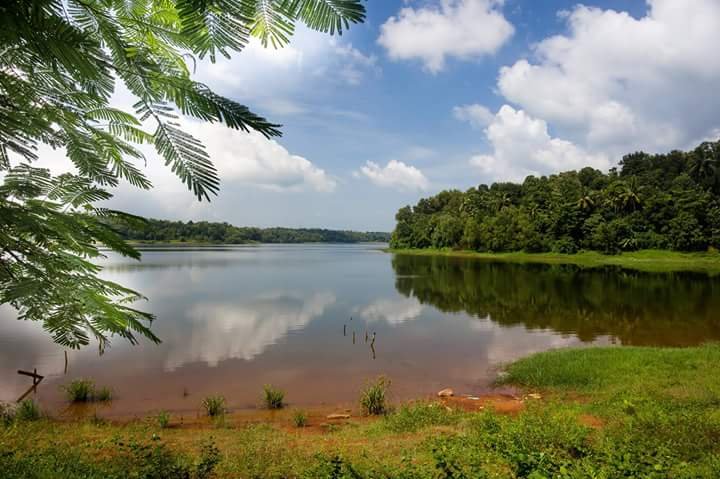
A young newly-wed couple was recently found dead in Sasthamcotta Lake near the Ambalakkadavu area, bringing the Kerala lake into recent news.
About Sasthamcotta Lake
- Location: Sasthamcotta Lake, also called Sasthamkotta Lake, is located in Kollam district, Kerala.
- Largest Freshwater Lake: It is the largest freshwater lake in Kerala and is an important source of drinking water for the surrounding region.
- Geographical Setting: The lake is surrounded by hills on three sides, while its southern side is separated from neighbouring rice fields by a bund.
- Water Source: Unlike many lakes, its water is mainly sustained by underground springs/sprouts, making groundwater an important component of its hydrology.
- Ecological Significance: The lake supports rich aquatic biodiversity, including around 27 species of freshwater fish and two genera of prawns. Its surrounding wetlands and vegetation also provide habitat for several bird species.
- Water Purification: The lake’s relatively good water quality has traditionally been associated with Cavaborus larvae, which feed on bacteria present in the water.
- Ramsar Site: Sasthamcotta Lake was designated a Wetland of International Importance under the Ramsar Convention in November 2002.
- Wetland Ecosystem: Its aquatic environment, surrounding wetlands and vegetation support fish, prawns and birdlife, making it ecologically significant.
- Agricultural Encroachment: A considerable portion of the original lake area has been occupied by agricultural activities, reducing its present extent.
FAQs
Q1. Where is Sasthamcotta Lake located?
It is located in Kollam district, Kerala.
Q2. Which is the largest freshwater lake in Kerala?
Sasthamcotta Lake is the largest freshwater lake in Kerala.
Q3. What is the geographical setting of the lake?
It is surrounded by hills on three sides, while its southern side is separated from rice fields by a bund.
Q4. What is the present area of Sasthamcotta Lake?
Its present area is around 375 hectares.
Q5. What is the main source of water?
The lake is mainly sustained by underground springs/sprouts.
Q6. When was Sasthamcotta Lake designated a Ramsar Site?
It was designated a Ramsar Site in November 2002.
Q7. What is the role of Cavaborus larvae?
The larvae feed on bacteria in the lake water and are traditionally associated with the lake’s relatively good water quality.