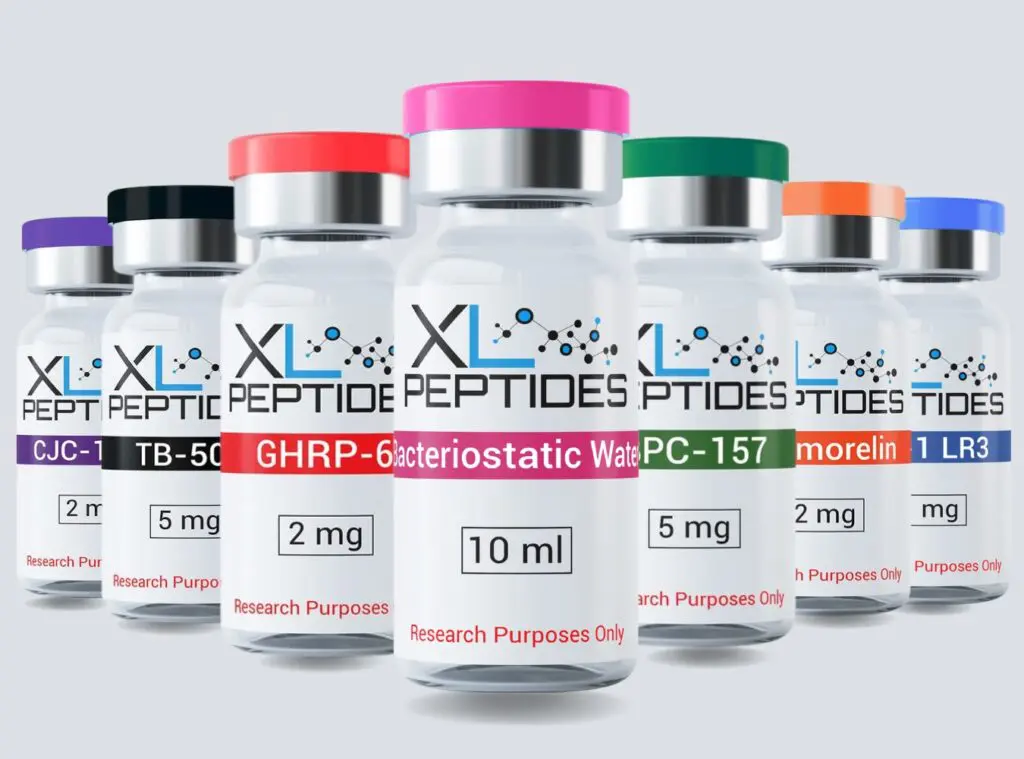
Context
A proposed “Peptide Party” in Bengaluru was cancelled after Karnataka Food Safety and Drug Administration officials sought details about the peptide products to be promoted or used at the event.
Why it matters: The episode has highlighted the growing commercial use of peptide-based products for weight loss, muscle recovery, anti-ageing and wellness, and the need to distinguish approved medicines from unverified or experimental products.
What Are Peptides?
- Peptides: Short chains of amino acids, the same basic building blocks that form proteins.
- Size: They commonly contain about 2–50 amino acids and are generally shorter and structurally simpler than proteins.
- Natural role: Many peptides are produced naturally in the human body and act as signalling molecules, helping cells communicate and regulate biological processes.
Peptide vs Protein
| Feature | Peptide | Protein |
| Basic unit | Amino acids | Amino acids |
| Size | Usually shorter | Generally longer |
| Structure | Relatively simpler | More complex 3D structure |
| Typical role | Signalling and regulation | Structural, enzymatic, transport and regulatory functions |
Important Peptides in the Human Body
- Insulin: A peptide hormone produced by the pancreas that helps regulate blood glucose levels.
- Endorphins: Peptide signalling molecules released by the nervous system that help reduce pain perception and stress.
- Growth hormone-releasing hormone (GHRH): A peptide hormone that stimulates the pituitary gland to release growth hormone.
How Peptides Work and What They Do
Peptide → Receptor binding → Cell signal → Biological response
- Cell signalling: A peptide binds to a specific receptor on or inside a cell and triggers a message that tells the cell what action to perform.
- Hormonal regulation: Peptide hormones such as insulin help regulate blood sugar, growth and metabolism.
- Tissue repair and immunity: Some peptides help coordinate healing, inflammation and immune responses.
- Metabolic regulation: Certain peptides influence appetite, energy use and other metabolic processes.
Peptides in Modern Medicine
Scientists can design or manufacture peptide-based medicines that mimic or modify natural biological signals.
- Synthetic insulin: Laboratory-made insulin is widely used in the treatment of diabetes.
- GLP-1 receptor agonists: Peptide-based medicines that mimic the action of the gut hormone GLP-1 and are used for diabetes and, in approved cases, weight management.
Therapeutic Potential
- Therapeutic potential: Peptides can act on specific biological pathways, making them useful in diabetes, metabolic disorders and targeted drug development.
- Expanding wellness market: Peptide products are increasingly promoted for muscle growth, recovery, weight loss and longevity, sometimes ahead of strong clinical evidence.
Significance for India
- Public-health regulation: The Bengaluru episode highlights the need to clearly distinguish approved peptide medicines from unverified wellness products.
- Drug-safety oversight: Greater monitoring may be required for online sales, wellness clinics and products making therapeutic claims without adequate approval.
- Biotechnology opportunity: Peptide therapeutics can support Indian research in metabolic diseases, precision medicine and advanced drug development.
- Consumer awareness: Terms such as “biohacking”, “anti-ageing” or “natural peptide” do not automatically establish medical safety or effectiveness.
Key Concerns
- Weak clinical evidence: Some wellness-oriented peptides lack robust human trials.
- Quality control: Unregulated products may have uncertain purity, composition or dosage.
- Self-administration: Use without medical supervision can increase the risk of adverse effects.
- Regulatory challenge: The term “peptide” can cover approved medicines, experimental compounds and poorly regulated products, so each product requires separate scientific and regulatory assessment.
- Health risks: Incorrect dosage, poor-quality products or unsupervised use can create avoidable risks, particularly with injectable preparations.
- Misleading marketing: Promotional claims may blur the distinction between approved therapy and experimental use.
UPSC-Oriented FAQs
- What are peptides?
Short chains of amino acids that often act as signalling or regulatory molecules in the body.
- How are peptides different from proteins?
Both are made of amino acids, but peptides are generally shorter and structurally simpler.
- How do peptides act in the body?
They bind to specific receptors and trigger cellular signals that produce a biological response.
- Are all peptide products medicines?
No. Some are approved medicines, while others may be experimental or unverified wellness products.
- Why is the Bengaluru episode important?
It highlights the need for drug regulation, medical supervision and evidence-based use of peptide products.