Context
In November 2026, Nvidia initiated an independent investigation into reports that its founder and CEO, Jensen Huang, had been targeted by a suspected foreign intelligence operation. Huang resigned on 11 November 2026, raising concerns about semiconductor security amid US–China technological rivalry. The espionage allegations remain unverified.
About Graphics Processing Units (GPUs)
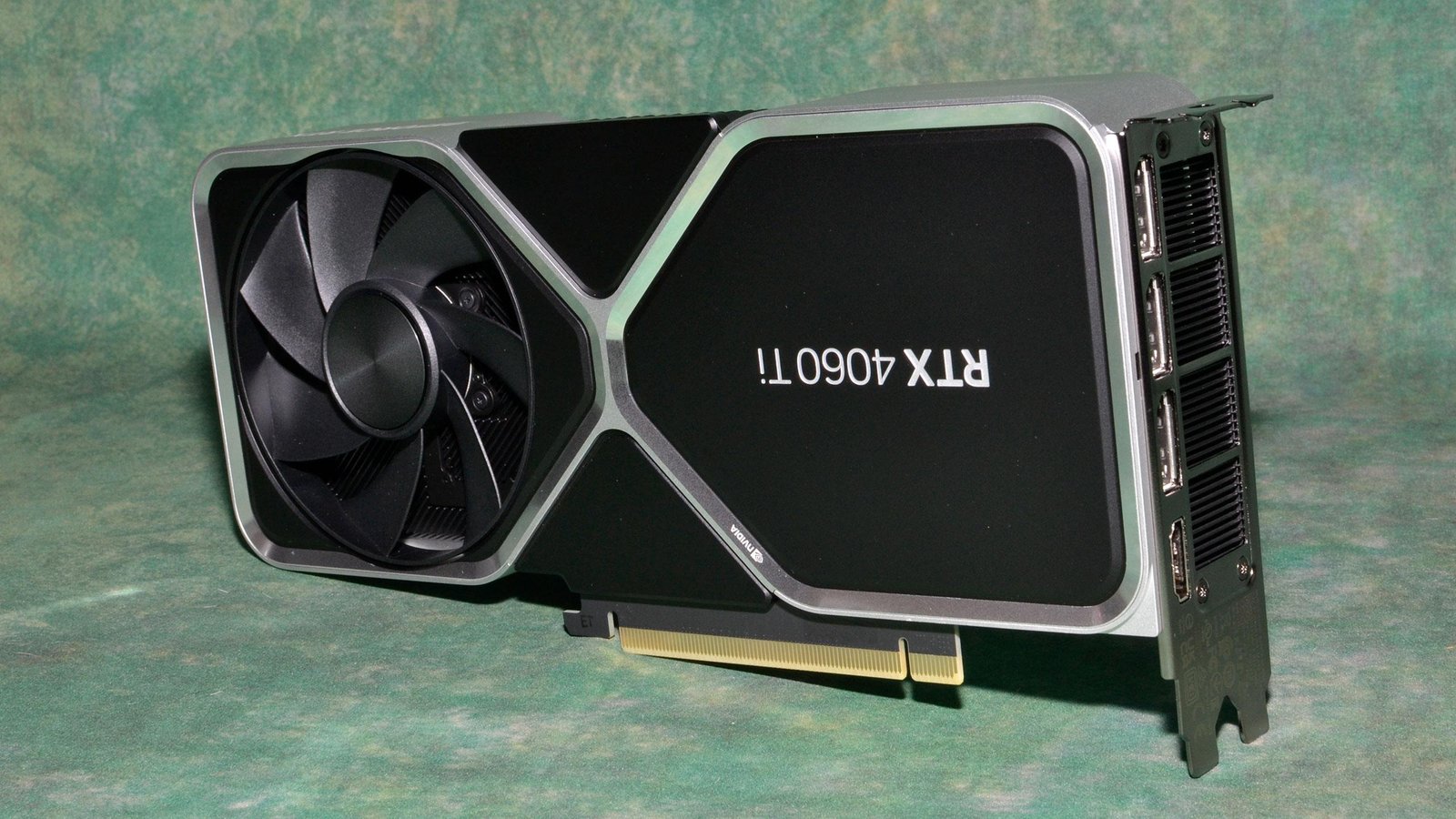
- Definition: A Graphics Processing Unit (GPU) is a specialised semiconductor processor designed for parallel computing, enabling numerous calculations to be performed simultaneously.
- CPU vs GPU: CPUs are optimised for diverse general-purpose tasks, whereas GPUs efficiently process large numbers of similar calculations, accelerating computationally intensive operations.
- AI computing: Advanced GPUs perform mathematical operations required for training and running AI models, making them important components of modern AI infrastructure.
- Major supplier: US-based Nvidia is a leading designer of advanced AI GPUs, giving it a significant position in global computing supply chains.
Strategic Significance of GPUs
- Artificial intelligence: GPUs accelerate the training and operation of large language models, supporting the development of advanced generative AI applications.
- Defence applications: High-performance computing supports intelligence analysis, military simulations and autonomous systems, making advanced GPUs strategically important dual-use technologies.
- Scientific research: Parallel processing accelerates climate modelling, molecular simulations and drug discovery, improving the efficiency of complex scientific calculations.
- Industrial automation: GPU-powered computing supports robotics, autonomous vehicles and smart manufacturing, enabling advanced real-time processing and automated decision-making.
GPUs and US–China Technological Rivalry
- Export restrictions: Since 2022, the US has restricted exports of certain advanced computing chips and semiconductor equipment to China, seeking to limit access to sensitive technologies.
- Selective licensing: In January 2026, the US introduced case-by-case export licensing for certain processors, including Nvidia’s H200, subject to security and compliance requirements.
- Technology espionage risks: Potential theft of chip designs or unauthorised procurement of restricted processors threatens sensitive technology and highlights the need for stronger supply-chain security.
- Technological self-reliance: US restrictions have increased incentives for China to develop domestic semiconductor capabilities, intensifying competition over advanced computing technologies.
Implications for India
- India Semiconductor Mission: The original ₹76,000 crore semiconductor programme supports chip fabrication, design and packaging, strengthening India’s domestic manufacturing ecosystem.
- Semicon 2.0: Approved in July 2026 with ₹1,27,500 crore, it expands support for chip design, fabrication, equipment, materials, research and talent development.
- IndiaAI Mission: Approved in 2024 with ₹10,371.92 crore, it supports AI computing infrastructure and indigenous model development, improving domestic access to advanced computing resources.
- Strategic dependence: India’s limited leading-edge chip manufacturing capabilities create continued reliance on foreign suppliers, making domestic capacity-building and international partnerships important.
FAQs
Q1. What is a GPU?
A specialised processor designed to perform numerous calculations simultaneously.
Q2. How does a GPU differ from a CPU?
CPUs handle diverse general-purpose operations, whereas GPUs are particularly efficient at parallel calculations.
Q3. Why are advanced GPUs strategically important?
They support artificial intelligence, scientific computing, industrial automation and defence-related applications.
Q4. Why has the US restricted advanced GPU exports to China?
To limit access to sensitive computing technologies with potential national-security applications.
Q5. Which Indian initiatives strengthen semiconductor and AI capabilities?
The India Semiconductor Mission, Semicon 2.0 and IndiaAI Mission.