Latest News
Nicotine pouches are emerging as a new source of nicotine exposure in India. A recent study associated with ICMR–National Institute of Cancer Prevention and Research (NICPR) has highlighted their availability through online platforms, hookah shops and delivery services, raising concerns about regulatory gaps and youth access.
About Nicotine Pouches
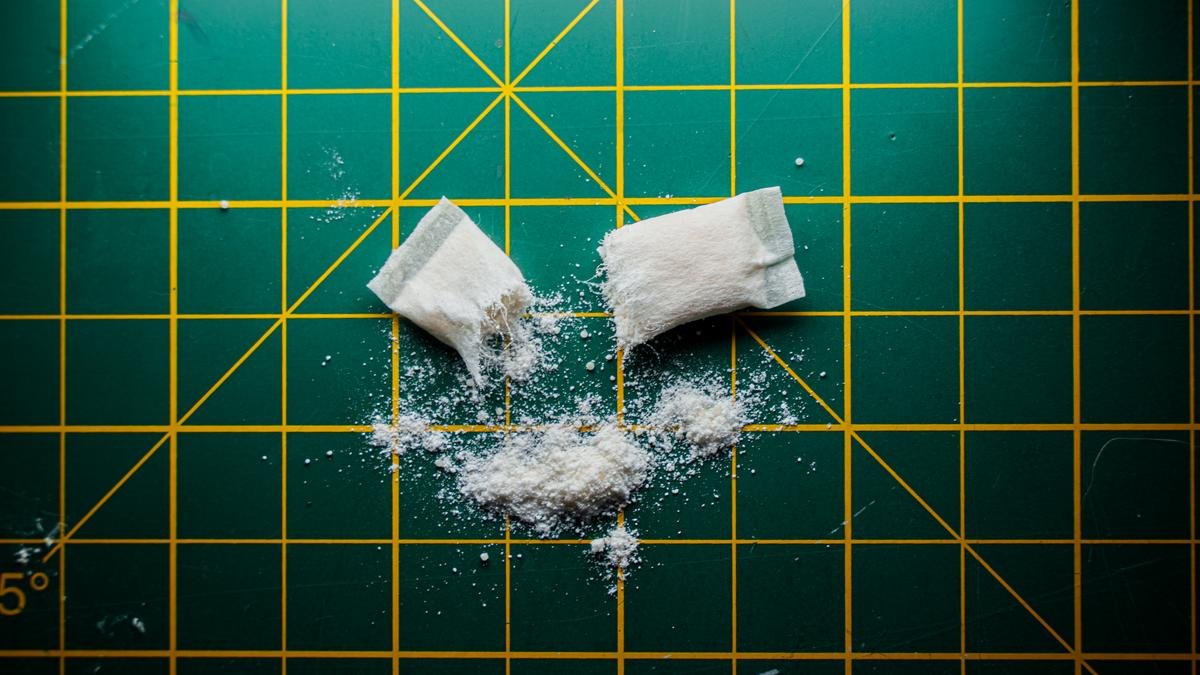
- Nicotine pouches are small oral pouches placed between the lip and gum, where nicotine is absorbed through the oral mucosa.
- They generally contain nicotine, flavourings, sweeteners and plant-based fibres and do not require burning, smoking or vaping.
- They are often marketed as “tobacco-free”, but this does not mean they are harmless. WHO notes that nicotine may be extracted from tobacco or produced synthetically, while the products can deliver significant amounts of nicotine.
- Their discreet design, absence of smoke and easy use can make them particularly attractive to adolescents and young adults.
Health Concerns
- Nicotine addiction: Nicotine is highly addictive and can create dependence, particularly among children, adolescents and young adults, whose brains are still developing.
- High nicotine exposure: Some pouches contain relatively high concentrations of nicotine, potentially increasing dependence and adverse effects.
- Youth appeal: Flavours, attractive packaging, lifestyle branding and digital marketing can reduce the perception of risk and encourage initiation among young people.
- Oral exposure: The pouch remains in direct contact with the gums and oral tissues for an extended period, raising concerns about local oral effects.
- Not automatically a cessation product: Nicotine pouches should not be confused with approved nicotine-replacement therapies (NRTs) such as regulated nicotine gum or patches. WHO has highlighted the need to distinguish emerging nicotine products from evidence-based cessation interventions.
Legal & Regulatory Status in India
- COTPA, 2003: Primarily covers tobacco products. Since nicotine pouches are generally tobacco-free, their coverage under COTPA is uncertain.
- Drugs & Cosmetics Act, 1940: Nicotine gums/lozenges used for cessation are regulated as therapeutic products. Recreational nicotine pouches have no such therapeutic purpose, creating classification ambiguity.
- Food Safety Laws: Their classification as “food” is debatable and depends on their composition, intended use and applicable regulations.
- Duty-Free Shops: Duty-free status does not mean exemption from Indian laws. Sale still depends on applicable customs, licensing and regulatory requirements.
Why Regulation is Difficult
- Regulatory lag: Technology and product innovation can move faster than legislation.
- Product classification: A nicotine pouch can fall into a regulatory grey area because it is nicotine-containing but tobacco-free, non-electronic and non-therapeutic.
- Multiple regulators: Health, drugs, food safety, customs and foreign trade authorities may have overlapping responsibilities.
- Online distribution: Digital platforms and quick-commerce services can make enforcement more difficult.
- Youth access: Attractive flavours and discreet consumption can bypass traditional tobacco-control approaches.
- Synthetic nicotine: The growing use of synthetic nicotine further challenges laws that are framed primarily around tobacco-derived products. WHO has identified this as part of the emerging nicotine-product landscape.
Way Forward
- Create a clear legal definition: India should establish a specific regulatory category for nicotine pouches and other emerging nicotine products, rather than relying on interpretations designed for conventional tobacco.
- Adopt a product-neutral approach: Regulation should consider the health risk and nicotine delivery mechanism, rather than only whether a product contains tobacco leaves.
- Protect young people: Introduce strict controls on sale to minors, flavours, packaging, advertising, influencer marketing and online sales.
- Strengthen digital enforcement: Platforms and delivery services should be required to prevent the sale of regulated nicotine products to minors and remove unlawful listings.
- Strengthen import controls: DGFT and customs authorities should ensure that the classification and import requirements for nicotine products are clear and consistently enforced.
- Separate cessation products from recreational products: Evidence-based nicotine-replacement therapies should remain distinguishable from commercial products designed primarily to sustain nicotine consumption.
- Improve surveillance: Agencies such as ICMR, CDSCO and tobacco-control authorities should monitor emerging nicotine products, usage patterns and adverse health effects.
- Learn from the e-cigarette experience: Regulation should ideally be proactive rather than reactive, preventing a large informal market from becoming entrenched before enforcement mechanisms are established.
FAQs
- What are nicotine pouches?
They are small oral pouches containing nicotine and other ingredients, placed between the lip and gum.
- Why are nicotine pouches a regulatory challenge in India?
They are generally tobacco-free, non-electronic and often non-therapeutic. This creates uncertainty over the applicability of existing tobacco, drug and e-cigarette laws.
- Does COTPA automatically regulate nicotine pouches?
Not necessarily. COTPA primarily regulates cigarettes and other tobacco products, while nicotine pouches are generally marketed as tobacco-free. Their precise legal status therefore depends on their statutory classification and applicable notifications.
- Are nicotine pouches safe because they contain no tobacco?
No. Tobacco-free does not mean nicotine-free or risk-free. WHO identifies nicotine pouches as products with high addiction potential and strong youth appeal.
- How are nicotine pouches different from nicotine gum?
Nicotine gum is an NRT intended to help people quit tobacco, while nicotine pouches are generally marketed as consumer nicotine products. Regulatory treatment therefore depends substantially on intended therapeutic use and product claims.