Context
Iran-aligned Houthi forces recently captured Mocha (Mokha), a strategic port on Yemen’s Red Sea coast near the Bab el-Mandeb Strait, raising concerns for regional maritime security, global trade and energy flows.
About Mocha Port
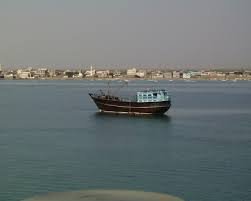
- Location: Mocha (Mokha) is a historic port in southwestern Yemen, on the Red Sea coast, in Taiz Governorate.
- Establishment: Established in 1955, the port functions as a logistics and military facility.
- Strategic Importance: It is located on the northern approach to Bab el-Mandeb Strait, which connects the Red Sea with the Gulf of Aden, linking Indian Ocean and Mediterranean trade routes.
- Coffee Trade: Mocha was a major centre for Yemeni coffee exports during the 16th–18th centuries, giving rise to the term “mocha” associated with coffee.
- Trade Hub: It historically connected Arabia, India, Africa and Europe, with Indian and European merchants operating in the port.
- Political History: The port experienced periods of Ottoman rule and Zaydi control before returning to Ottoman rule in the 19th century.
Reasons for Decline
- Political Conflicts: Rivalries among the Ottomans, Zaydi rulers and European powers weakened the port.
- Coffee Competition: Expansion of coffee cultivation in Java and other regions reduced Yemen’s dominance in coffee trade.
- Rise of Other Ports: The growing importance of Aden and other regional ports reduced Mocha’s commercial significance.
Modern Significance
- Maritime Security: Mocha’s position near Bab el-Mandeb makes it relevant to the security of a major international shipping route.
- Energy Security: Instability in the area can disrupt the movement of oil and energy supplies between Asia, Europe and the Middle East.
- Geopolitical Influence: Houthi control of the port strengthens their position along Yemen’s Red Sea coast and has implications for Iran’s regional influence.
- Global Trade: Prolonged insecurity may divert ships around the Cape of Good Hope, increasing travel time and transport costs.
FAQs
Q1. Where is Mocha Port located?
Ans: It is located in southwestern Yemen, on the Red Sea coast, near the Bab el-Mandeb Strait.
Q2. Why is Mocha historically associated with coffee?
Ans: Mocha was a major centre of Yemeni coffee exports during the 16th–18th centuries.
Q3. Why is Mocha strategically important today?
Ans: Its proximity to Bab el-Mandeb gives it importance for maritime security, energy flows and global trade.