Context
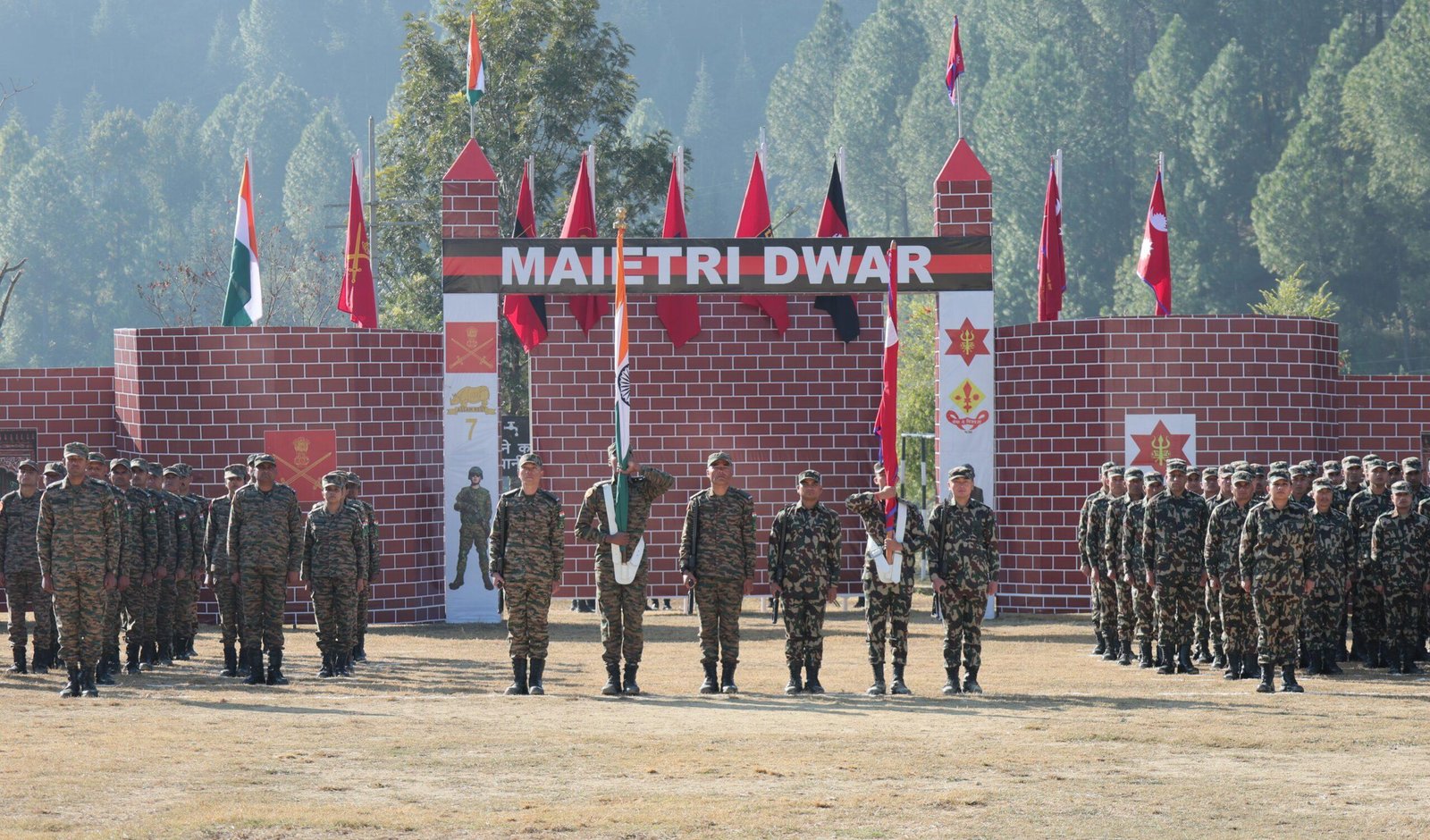
India and Nepal recently laid the foundation stone for the 669 MW Lower Arun Hydroelectric Project in eastern Nepal, to be developed by SJVN Limited at an estimated cost of ₹5,792.36 crore, strengthening bilateral energy cooperation.
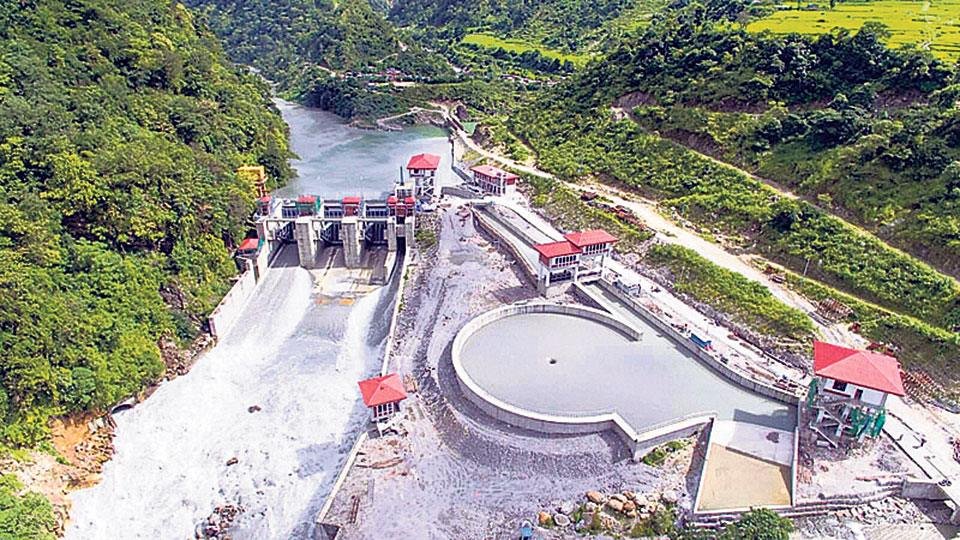
About Lower Arun Hydroelectric Project
- Location: Built on the Arun River (a tributary of the Koshi River) across Sankhuwasabha and Bhojpur districts in eastern Nepal.
- Project Type: Run-of-the-river hydropower project that generates power using natural river flow without building a large separate storage reservoir.
- Developer: Executed by SLPDC (SJVN Lower Arun Power Development Company), a wholly owned subsidiary of SJVN Limited.
- Implementation Model: Developed under the BOOT (Build, Own, Operate and Transfer) model.
- Installed Capacity: 669 MW (Megawatt), consisting of four generating units of 167.25 MW each.
- Key Infrastructure: Features a 17.4-km headrace tunnel connected to a surface powerhouse.
- Annual Generation: Expected to generate around 2,901 million units (MU) of electricity annually (in a 90% dependable year).
- Benefit-Sharing: Nepal will receive 21% of generated electricity free of cost under the Project Development Agreement.
Integration with Arun-3 Hydroelectric Project
- Tandem Operation: Lower Arun operates in tandem with the upstream 900 MW Arun-3 project, reusing water discharged from Arun-3 to generate additional power.
- Resource Efficiency: Maximises water resource utilisation and power output along the same river stretch without needing a separate storage reservoir.
About Arun-3 Hydroelectric Project
- Location: Located upstream on the Arun River in Sankhuwasabha district, eastern Nepal.
- Capacity: 900 MW installed capacity.
- Project Type & Model: Run-of-the-river scheme developed on a BOOT (Build, Own, Operate and Transfer) basis.
- Developer: Executed through SAPDC (SJVN Arun-3 Power Development Company).
- Key Infrastructure: Includes a 70-metre-high, 466-metre-long concrete gravity dam, a headrace tunnel, and an underground powerhouse.
- Annual Generation: Generates roughly 4,019 million units of electricity per year.
- Operational Period: Operated for 25 years (excluding construction) before transfer to the Government of Nepal (with free power share going to Nepal).
- Power Evacuation: Planned for cross-border transmission via the Dhalkebar (Nepal)–Muzaffarpur (Bihar, India) power corridor.
About Arun River
- Origin: Rises on the Tibetan Plateau, where it is known as Phung Chu.
- Course: Flows southwards through the Himalayas (cutting a deep trans-Himalayan gorge) into eastern Nepal.
- River System: Forms part of the Sapta Koshi river system, which drains into the Ganga River in Bihar.
- Hydropower Potential: High elevation drop (steep gradient) and steady glacial/monsoon discharge make it ideal for hydroelectricity.
About SJVN Limited
- Establishment: Incorporated in 1988 as a joint venture between the Government of India and the Government of Himachal Pradesh.
- Corporate Status: A Navratna CPSE (Central Public Sector Enterprise) under the Ministry of Power, Government of India.
- Headquarters: Based in Shimla, Himachal Pradesh.
- Business Portfolio: Develops hydroelectric, solar, wind, and power transmission projects in India and abroad.
Significance of the Project
- Energy Security: Boosts clean/renewable power generation and cross-border electricity trade in South Asia.
- Bilateral Ties: Deepens India–Nepal energy cooperation, Neighbourhood First engagement, and regional grid integration.
- Economic Growth in Nepal: Supports local jobs, infrastructure, taxes, royalties, and foreign exchange earnings for Nepal.
- Optimal Water Use: Tandem operation with Arun-3 improves hydropower efficiency from existing river flows.
FAQs
Q1. Arun River is a tributary of which river?
Ans. Koshi River, part of the Ganga River system.
Q2. What is the BOOT model?
Ans. Build, Own, Operate and Transfer, where a developer operates infrastructure for a specified period before transferring ownership.
Q3. What is tandem operation in hydroelectric projects?
Ans. Using water discharged from an upstream hydropower station to generate electricity at a downstream station.
Q4. What is a run-of-the-river hydroelectric project?
Ans. A project that generates electricity using the natural flow of a river, with little or no large-scale water storage.