Context
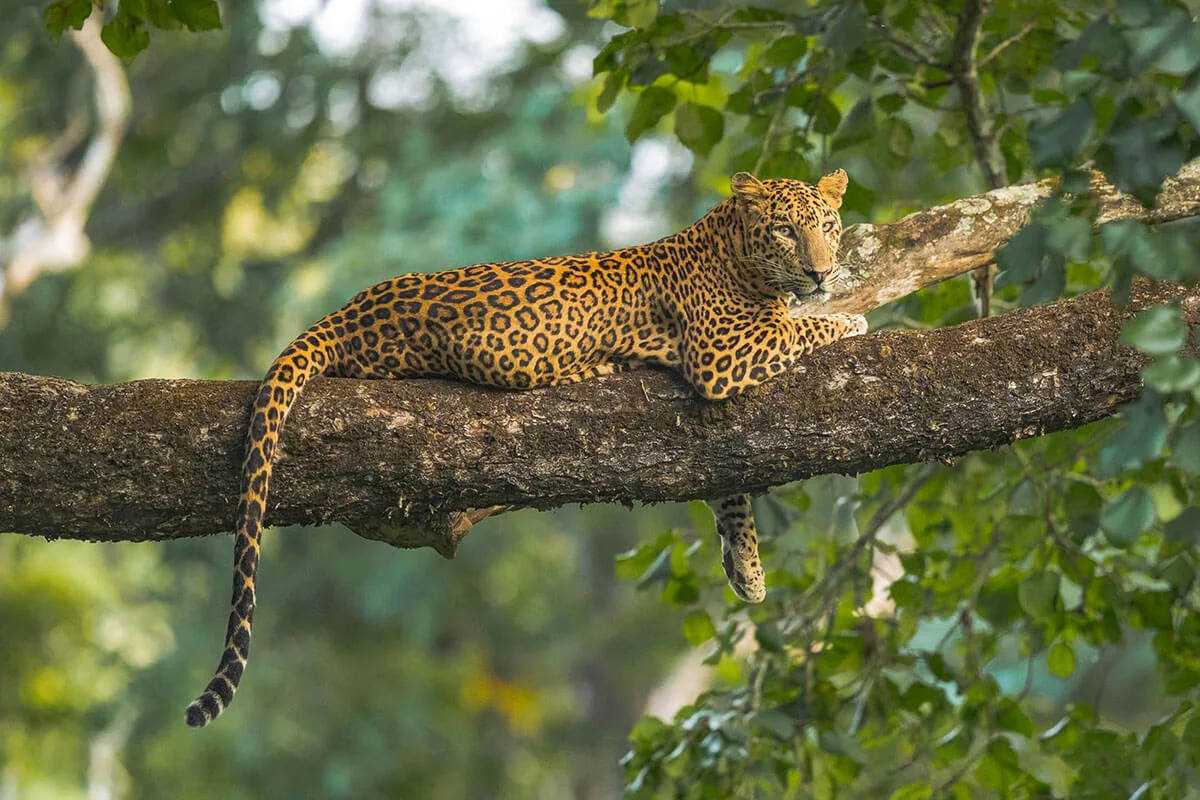
A recent fatal leopard attack in the Sujauli area of Katarniaghat Wildlife Sanctuary, Bahraich district, Uttar Pradesh, has raised concerns over human–wildlife conflict near protected areas.
About Katarniaghat Wildlife Sanctuary
- Location: Located in the Terai belt of the Upper Gangetic Plains in Bahraich district, Uttar Pradesh, along the India–Nepal border.
- Area: Covers roughly 400 sq. km.
- Establishment & Tiger Reserve Status: Notified as a Wildlife Sanctuary in 1975 (under the Wildlife Protection Act, 1972) and brought under Project Tiger in 1987.
- Protected Area Network: Part of Dudhwa Tiger Reserve, alongside Dudhwa National Park and Kishanpur Wildlife Sanctuary, within the TAL (Terai Arc Landscape).
- River Drainage: Traversed by the Girwa (Gairwa) River, a channel of the Ghaghara (Karnali) river system.
- Vegetation & Habitat: Comprises tropical moist deciduous forests, tall alluvial grasslands, and freshwater wetlands.
Flora, Fauna & Aquatic Biodiversity
- Flora: Dominated by sal, teak, jamun, and diverse medicinal plants.
- Key Mammals: Supports Bengal tiger, leopard, greater one-horned rhinoceros, swamp deer (barasingha), hispid hare, and Gangetic river dolphin.
- Reptiles: Major breeding habitat for gharial (Gavialis gangeticus), mugger crocodile, and freshwater turtles.
- Avifauna (Birds): Harbours Bengal florican, white-rumped vulture, and Indian vulture alongside migratory waterbirds.
- Aquatic Ecosystem: The Girwa River provides critical deep-pool riverine habitat for gharials, Gangetic dolphins, and endangered turtles.
Conservation Significance
- Transboundary Connectivity: Links Indian tiger habitats with Bardia National Park (Nepal) via the Khata wildlife corridor, enabling wildlife movement and genetic exchange.
- Endangered Species Protection: Safeguards critically endangered Terai grassland, forest, and riverine species across the Indo-Nepal border belt.
FAQs
Q1. Which river flows through Katarniaghat Wildlife Sanctuary?
Ans. Gairwa River, part of the Ghaghara–Karnali river system.
Q2. What type of vegetation is found in Katarniaghat Wildlife Sanctuary?
Ans. Tropical moist deciduous forests, mixed deciduous forests and grasslands, dominated by sal.
Q3. What is the Terai Arc Landscape?
Ans. A transboundary conservation landscape along the India–Nepal Himalayan foothills, connecting wildlife habitats and protected areas.