Context
The resignation of UK Prime Minister Keir Starmer has drawn attention to the functioning of the Westminster parliamentary system, particularly the process through which leadership transitions occur within a ruling party without requiring a fresh general election.
Reasons for Resignation
- Allegations relating to the acceptance of gifts by senior government members adversely affected the government’s public image.
- Measures such as the reduction of winter fuel support and the early release of prisoners attracted public criticism.
- Continuing economic challenges and public dissatisfaction with the long-term effects of Brexit weakened political support for the government.
- Significant losses in the 2026 local elections intensified pressure on the Labour Party leadership.
UK Parliamentary System
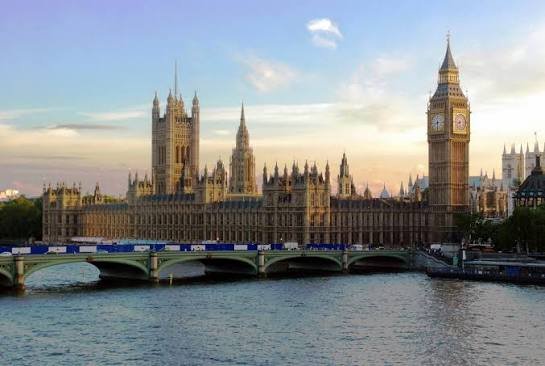
- The United Kingdom follows the Westminster model of parliamentary democracy.
- Parliament consists of the House of Commons and the House of Lords.
- Members of the House of Commons are directly elected by citizens.
- The leader of the party commanding a majority in the House of Commons is invited by the Monarch to form the government and serves as Prime Minister.
- Unlike presidential systems, leadership changes can occur during the tenure of Parliament if the ruling party continues to hold a majority.
Prime Minister in the Westminster System
- The Prime Minister is often described as “First Among Equals” (Primus Inter Pares) within the Cabinet.
- The authority of the office is derived from the support of the ruling party and its Members of Parliament.
- A decline in party support can result in a change of leadership without dissolving Parliament.
Labour Party Leadership Process
- A leadership contest may be initiated following the resignation of the party leader or a formal challenge within the party.
- The National Executive Committee (NEC) supervises the election process and determines the timetable.
- Candidates must be sitting Members of Parliament and fulfil the prescribed nomination requirements.
- The party elects its leader through a preferential voting system, with the successful candidate required to secure majority support.
Constitutional Process of Government Formation
- The outgoing Prime Minister formally submits a resignation to the Monarch.
- The newly elected leader of the majority party is invited by the Monarch to form the government.
- Upon accepting the invitation, the leader assumes office as Prime Minister without the need for a general election.
Significance
- Demonstrates the principle of executive accountability in a parliamentary democracy.
- Highlights the role of political parties in determining leadership continuity.
- Illustrates the flexibility of the Westminster model in facilitating leadership changes without dissolving Parliament.
- Provides a useful comparison with parliamentary systems such as India, where executive authority is similarly dependent on legislative support.
Conclusion
The episode demonstrates how executive leadership in a parliamentary democracy depends on sustained political support within the legislature and the ruling party. It also provides insight into the functioning of the Westminster model of governance.