Context
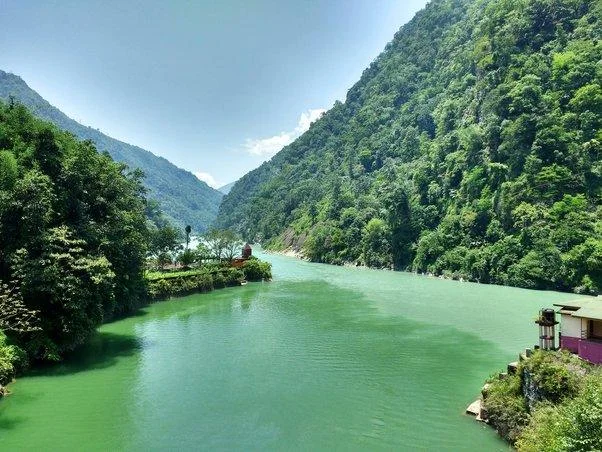
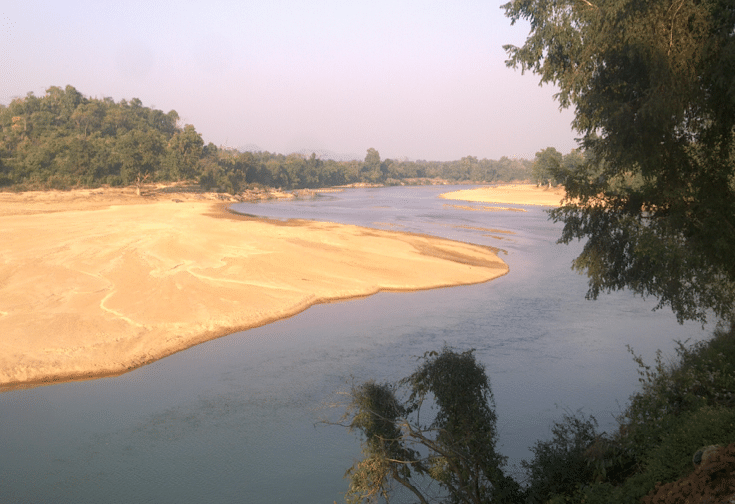
The Koel River was recently in the news after four teenagers drowned in Palamu, Jharkhand, during immersion-related activities for Karma Puja.
About the Koel River
- The Koel comprises two distinct rivers of the Chota Nagpur Plateau:
-
- North Koel: Originates in the Ranchi Plateau, flows through Palamu, and joins the Son River near Haidarnagar.
- South Koel: Originates near Piska (Ranchi), flows through Gumla and Simdega, and enters Odisha.
- The South Koel joins the Sankh River at Vedavyas near Rourkela, forming the Brahmani River.
- The North Koel is an important perennial river of the Palamau Tiger Reserve.
North Koel Reservoir Project
- It is an inter-State irrigation project involving Jharkhand and Bihar, comprising the Mandal Dam on the North Koel near Kutku, Mohammadganj Barrage and canal network.
- It aims to irrigate drought-prone areas of Palamu and Garhwa (Jharkhand) and Aurangabad and Gaya (Bihar).
- Due to its proximity to the Palamau Tiger Reserve, the reservoir level was reduced to limit submergence of the reserve’s core area.
Geographical Significance
- Drainage: North Koel–Son forms part of the Ganga river system, while South Koel–Sankh–Brahmani drains into the Bay of Bengal.
- River Systems: The two Koel rivers illustrate the contrasting drainage patterns of the Chota Nagpur Plateau.
FAQs
Q1. Which states are associated with the Koel River system?
Ans: The Koel river system flows through Jharkhand and Odisha. The North Koel is mainly associated with Jharkhand, while the South Koel flows through Jharkhand and Odisha.
Q2. Where does the North Koel River originate?
Ans: The North Koel originates in the Ranchi Plateau of Jharkhand.
Q3. Where does the North Koel meet the Son River?
Ans: It joins the Son River near Haidarnagar in Palamu district, Jharkhand.