Context
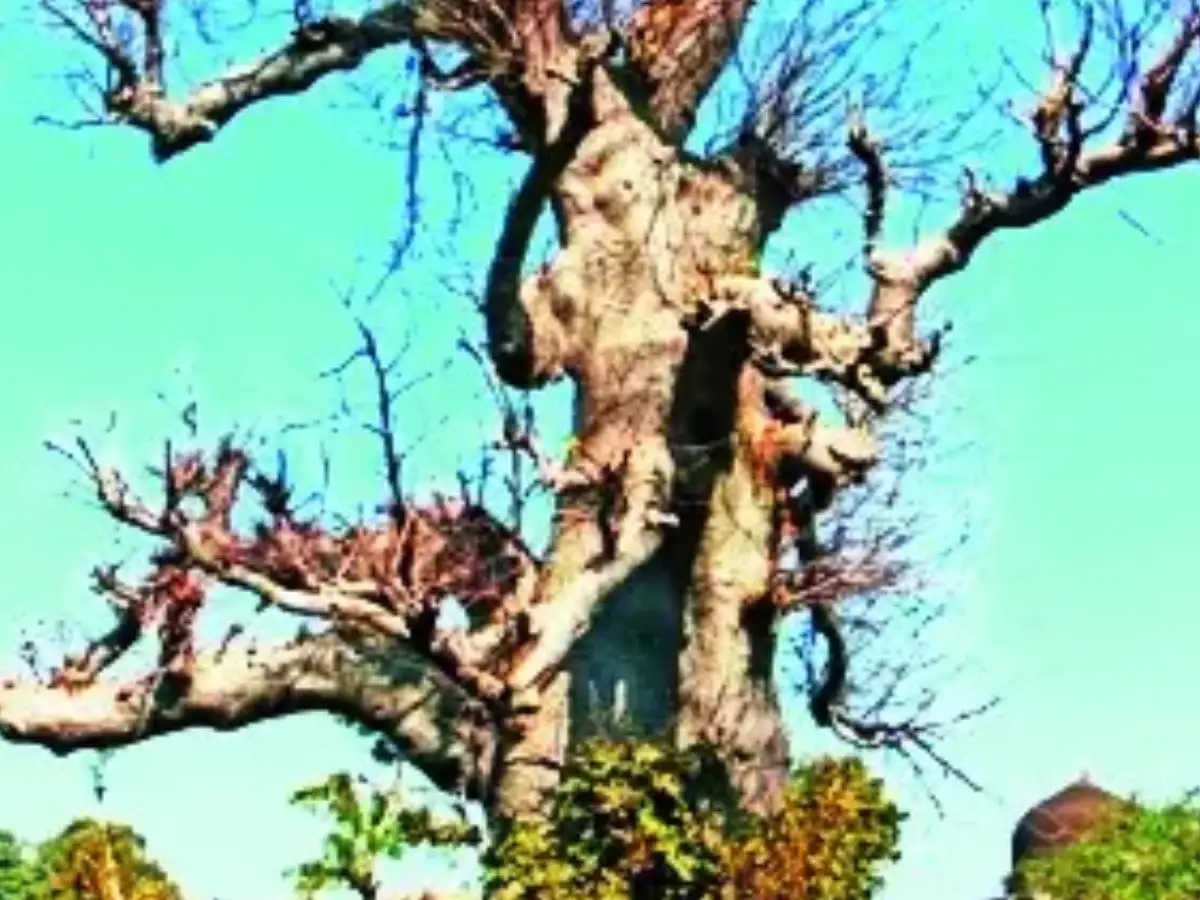
Khurasani Imli, popularly known as Mandav Imli is a traditional fruit obtained from the Baobab trees of Mandu in Madhya Pradesh, has recently received a Geographical Indication (GI) tag, recognising its unique regional heritage and identity.
About Khurasani Imli
- The Baobab tree is believed to have been introduced to the region during the reign of Mahmud Khilji in the 14th century, after which the fruit came to be locally known as Khurasani Imli.
- The fruit is distinguished by its light green appearance and sweet-sour tangy taste.
- It is valued for its nutritional content, being rich in Vitamin C, antioxidants, and essential minerals.
- Local tribal communities have traditionally used the fruit, along with other parts of the tree, for treating ailments such as digestive disorders, fever, fatigue, and diabetes.
Geographical Indication (GI) Tag
- A Geographical Indication (GI) is a sign used for products whose quality, reputation, or distinct characteristics are linked to a specific geographical area.
- GI protection is commonly granted to agricultural products, food items, handicrafts, and manufactured goods associated with a particular region.
- In India, GI registration and protection are provided under the Geographical Indications of Goods (Registration and Protection) Act, 1999.
A registered GI tag remains valid for 10 years and can be renewed periodically thereafter.