Context
A proposal seeking ₹20 crore for the conservation and rejuvenation of Kalaburagi Fort has been submitted to the Union Ministry of Culture for approval.
About Kalaburagi Fort
- Location: Kalaburagi, Karnataka, formerly known as Gulbarga.
- The fort is traditionally attributed to Raja Gulchand, a feudatory of the Kakatiya dynasty, and is believed to date to the 12th century.
- It was later expanded and strengthened under Alauddin Hasan Bahman Shah, founder of the Bahmani Sultanate.
- Kalaburagi served as the first capital of the Bahmani Sultanate before the capital was shifted to Bidar.
Architecture and Key Features
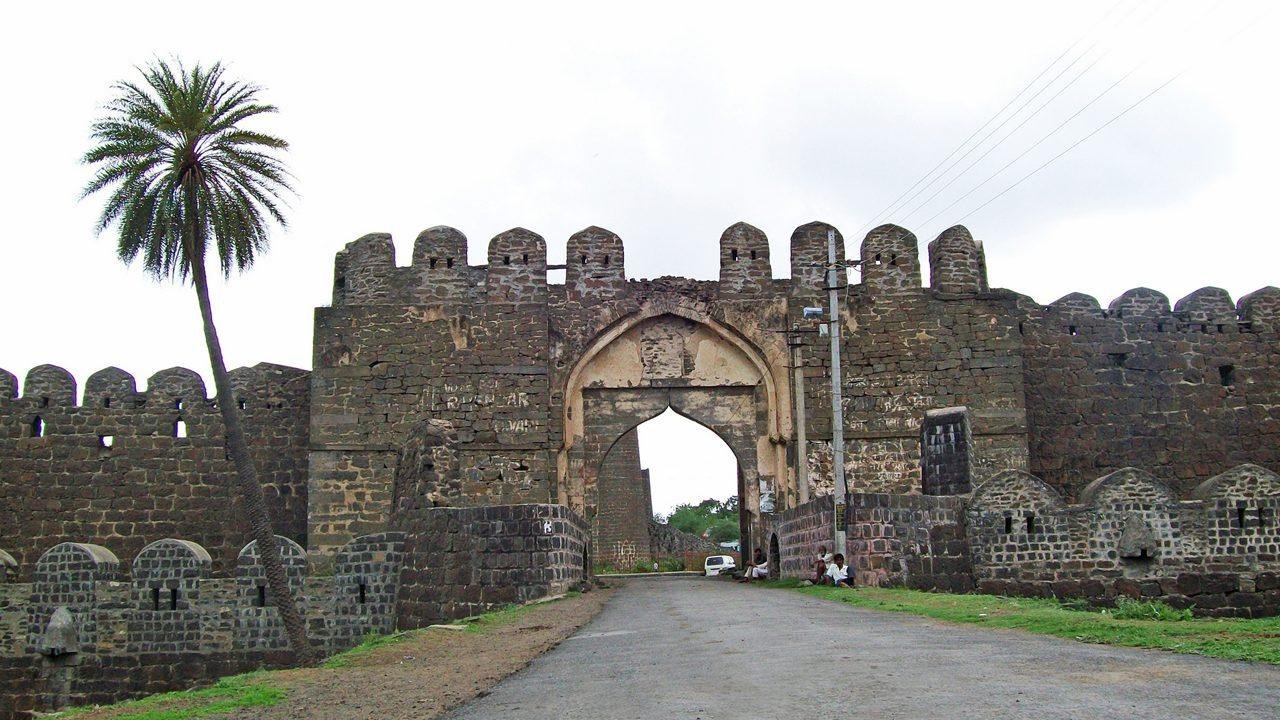
- The fort combines Hindu and Islamic architectural elements, reflecting the cultural influences of different ruling powers.
- Its defensive layout includes concentric walls, bastions and fortified gateways.
- The complex contains mosques, palaces, tombs and other structures, built mainly with granite and limestone.
- It is noted for 15 towers and 26 guns. Some of the guns are about 8 metres long and remain preserved within the fort.
FAQs
- Where is Kalaburagi Fort located?
It is located in Kalaburagi, Karnataka, formerly known as Gulbarga.
- Which dynasty is associated with the early history of the fort?
Its origins are traditionally associated with Raja Gulchand, a feudatory of the Kakatiya dynasty.
- Which Sultanate made Kalaburagi its capital?
The Bahmani Sultanate made Kalaburagi its first capital after its establishment in 1347 CE.
- Who founded the Bahmani Sultanate?
Alauddin Hasan Bahman Shah founded the Bahmani Sultanate in 1347 CE.
- What are the major architectural features of the fort?
The fort features concentric defensive walls, bastions, gateways, mosques, palaces and tombs, showing Hindu and Islamic influences.
- Why is Kalaburagi Fort historically important?
It is an important monument associated with the Bahmani Sultanate and reflects the political and cultural history of the medieval Deccan.