Context
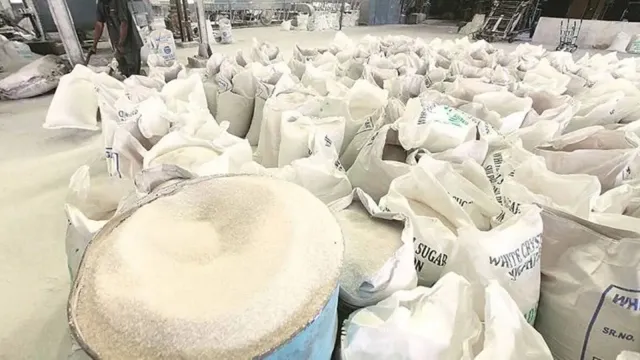
- Domestic sugar prices rose sharply in August 2026. Retail prices increased from around ₹48/kg on July 20 to ₹56/kg on August 20, while the all-India modal price reportedly reached nearly ₹65/kg by late August.
- The Ministry of Consumer Affairs, Food & Public Distribution linked the rise to lower production, weather damage, festive demand, global prices and hoarding, not mainly to ethanol diversion.
- Ex-factory prices also increased in major sugar-producing States, including Uttar Pradesh, Maharashtra and Karnataka.
Causes
- Production decline: Sugar output is estimated at 30.6–30.9 million tonnes, below the initial estimate of 34.3 million tonnes.
- Weather damage: Excess rainfall and waterlogging in Maharashtra, Karnataka and Gujarat reduced sugarcane growth and sugar recovery.
- Pests and diseases: Red rot and top shoot borer damaged crops, especially Co-0238 in Uttar Pradesh.
- Rising demand: Dussehra and Diwali are expected to increase sugar demand.
- Low stocks: Closing stocks may fall to around 41 lakh tonnes, among the lowest in recent years.
- Global pressure: International sugar prices rose by over 16%, amid an expected global deficit of 3.3 million tonnes in 2026-27.
- Hoarding: Tight supplies encouraged speculative buying and stock-holding, adding to price pressure.
Ethanol Debate
- The government does not consider ethanol diversion the main cause of the sugar price rise.
- Sugar diverted for ethanol fell from 12% (2022-23) to 9% (2025-26), while about 75% of ethanol now comes from grains, mainly maize.
- Ethanol helps absorb India’s structural sugar surplus and improves mill finances. By August 20, 97% of 2025-26 sugarcane dues had been paid.
- The government has needed no sugar subsidy since 2021-22, compared with ₹14,600 crore during 2014–2021.
Government Measures
- Stock limits: Dealers can hold up to 400 tonnes until November 30, 2026; bulk users are limited to 15 days’ consumption from September 1.
- Duty-free imports: Up to 10 lakh tonnes of raw sugar can be imported at zero duty until October 31.
- Export ban: Sugar exports are restricted until September 30, 2026 to ensure domestic supply.
- Stock checks: Central and State teams will inspect mill stocks to prevent hoarding and artificial shortages.
- Buyer monitoring: Mills must report buyers purchasing 500 tonnes or more annually.
- Early crushing: The next crushing season has been advanced to October 15 to increase sugar availability.
Way Forward
- Climate-Resilient Farming: Develop better sugarcane varieties and strengthen pest and disease control.
- Stock Management: Maintain adequate buffer stocks and use real-time monitoring to prevent hoarding.
- Policy Balancing: Adjust ethanol diversion, imports and exports based on domestic sugar availability.
- Grain-Based Ethanol: Promote grain-based ethanol to reduce pressure on sugarcane for ethanol production.
- Better Coordination: Improve coordination among the Centre, States, sugar mills and ethanol producers to balance consumer needs and industry viability.
UPSC FAQs
Q1. What are the main reasons behind the rise in sugar prices in India in 2026?
Ans: Lower sugar production, weather-related crop damage, pests and diseases, festive demand, low stocks, global price pressures and possible hoarding contributed to the rise.
Q2. What is an ex-factory price?
Ans: It is the cost of a product at the manufacturer’s door or gate, which includes production expenses like raw materials, labor, and the maker’s profit margin, but excludes any shipping or delivery fees.
Q3. How did weather affect sugar production?
Ans: Excess rainfall and waterlogging in major sugar-producing States damaged sugarcane growth and reduced sucrose accumulation. This lowered the expected sugar recovery.
Q4. What is the significance of low sugar stocks?
Ans: Lower closing stocks reduce the cushion available to meet domestic demand. This can make prices more sensitive to seasonal demand, production uncertainty and market speculation.