Context
The Gulf is vital to India’s energy security, trade, diaspora and maritime interests. As the region’s security order evolves, India needs to complement its traditional economic diplomacy with a calibrated strategic role.
India’s Traditional Approach
- India followed a policy of multi-alignment, maintaining relations with competing regional powers such as Saudi Arabia, Iran, Israel and the UAE.
- The Gulf provided India with energy resources, employment, trade and remittances.
- The large Indian diaspora created strong economic and social linkages with the region.
- This approach benefited from the US-led regional security framework, which provided relative stability for commerce and energy flows.
Changing Regional Security Order
- The United States is adopting a more selective approach to overseas security commitments, encouraging regional powers to diversify their strategic partnerships.
- The Mecca Joint Defence Agreement involving Saudi Arabia, Türkiye and Pakistan reflects emerging security configurations in West Asia.
- Gulf countries increasingly seek defence capabilities, intelligence cooperation and concrete security support from their partners.
- These developments matter to India because instability in the region can disrupt energy supplies, shipping and commercial activity.
Strategic Challenges for India
- Economic engagement alone cannot address threats such as drones, terrorism, asymmetric warfare and attacks on critical infrastructure.
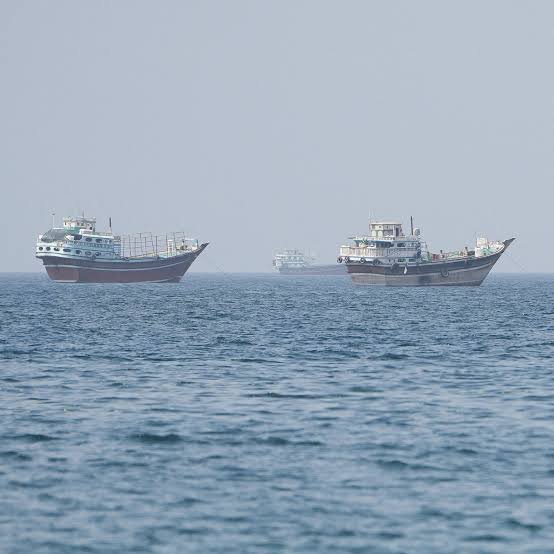
- Disruptions around the Strait of Hormuz, Gulf of Aden and Bab-el-Mandeb can affect energy supplies and international trade.
- India’s substantial economic and human presence in the region therefore requires stronger maritime awareness, intelligence and crisis-response capabilities.
- A predominantly transactional approach could also limit India’s influence as regional countries seek partners that can contribute to their security.
India’s Strategic Priorities
- Maritime security: Strengthen cooperation with regional partners on surveillance, information exchange and protection of sea lanes.
- Counter-terrorism: Expand intelligence-sharing and institutional cooperation against transnational threats.
- Defence-industrial cooperation: Promote joint production, defence research, technology partnerships and military exercises.
- Flexible minilateralism: Develop issue-specific cooperation with Saudi Arabia, the UAE and Israel without entering formal military alliances.
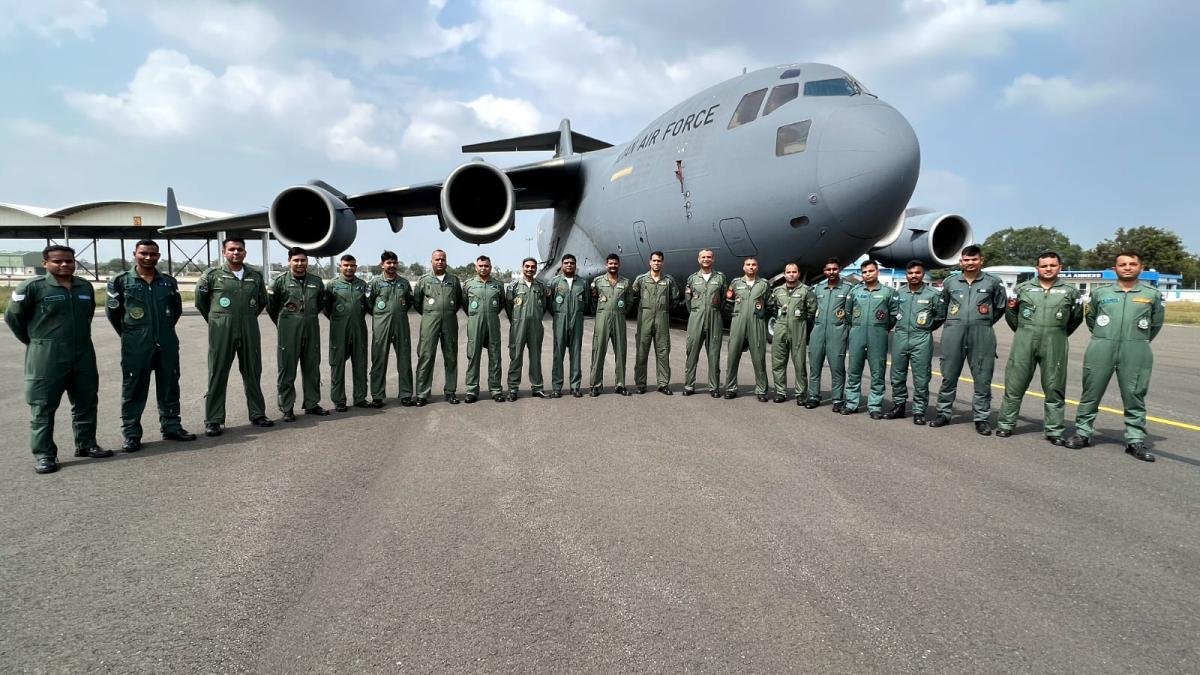
- Diaspora protection: Strengthen mechanisms for the safety and evacuation of Indian nationals during regional crises.
Preserving Strategic Autonomy
Greater security engagement should not lead India into military entanglement in West Asian conflicts.
- Cooperation should remain selective, interest-based and focused on defined objectives.
- India should prioritise maritime stability, deterrence, intelligence and protection of national interests.
- It should retain constructive relations with countries across regional rivalries rather than align with a fixed bloc.
- This approach can increase India’s strategic relevance while preserving its freedom of foreign-policy choices.
Way Forward
India should gradually move from being primarily an economic stakeholder to a credible security partner in the Gulf. This requires stronger defence and intelligence capabilities, deeper regional cooperation and greater capacity to protect Indian interests without compromising strategic autonomy.
Conclusion
The changing security environment in West Asia presents India with both risks and opportunities. Its objective should be greater strategic capacity without strategic entanglement. A balanced combination of economic engagement, selective security cooperation and strategic autonomy can help India remain an influential and dependable partner in the Gulf.
UPSC-Oriented FAQs
Q1. What is multi-alignment in India’s West Asia policy?
Multi-alignment means maintaining productive relations with multiple countries, including those with competing interests, without formally joining a single strategic bloc.
Q2. Why is the changing US role significant for the Gulf?
A more selective US security posture is encouraging regional countries to seek additional security partnerships, thereby changing the traditional regional security structure.
Q3. What is minilateral cooperation?
Minilateralism involves a small group of countries working together on specific common interests. It provides flexibility without requiring a formal alliance.
Q4. Why are the Strait of Hormuz and Bab-el-Mandeb important for India?
They are major maritime chokepoints. Disruptions can affect energy supplies and international shipping, creating risks for India’s economy.
Q5. How can India deepen defence relations with Gulf countries?
India can promote joint production, defence technology cooperation, military exercises, research and intelligence sharing.
Q6. Why should India avoid military entanglement in West Asia?
The region has complex rivalries and conflicts. Excessive involvement could constrain India’s strategic autonomy and complicate relations with different regional powers.
Q7. What should be the central objective of India’s Gulf policy?
India should develop sufficient capacity to protect its energy, maritime, economic and diaspora interests while maintaining an independent foreign-policy approach.