Context
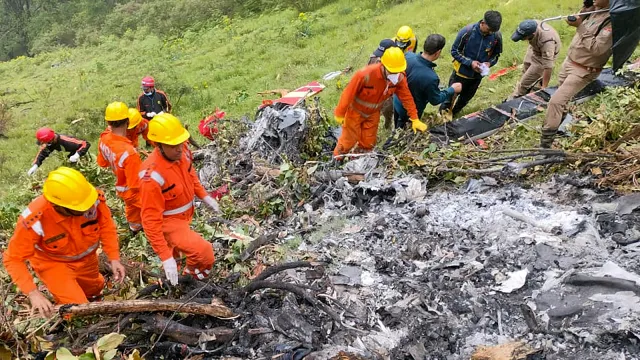
- A recent helicopter crash while travelling from Badrinath to Dehradun has once again highlighted the safety concerns associated with helicopter operations in Uttarakhand.
- The repeated accidents raise concerns about the safety of helicopter-based pilgrimage tourism, particularly during the Char Dham Yatra.
Background: Scale of the Problem
- According to Ministry of Civil Aviation (MoCA) data (2020–July 2025):
- Out of 12 helicopter accidents reported across India, 7 occurred in Uttarakhand.
- Of the 30 fatalities recorded in these accidents, 21 occurred in Uttarakhand.
- In 2025, at least five helicopter-related incidents were reported within a short period, including fatal crashes and emergency landings.
- Why is this particularly concerning?
- Uttarakhand is an important destination for religious tourism, particularly the Char Dham Yatra (Yamunotri, Gangotri, Kedarnath and Badrinath).
- Helicopter services provide faster access to these remote shrines, resulting in concentrated flight operations during the limited pilgrimage season.
Why is Uttarakhand Vulnerable to Helicopter Crashes?
- Geographical and Weather-Related Factors
- Difficult Mountainous Terrain: Steep mountains and narrow valleys leave limited space for helicopters to manoeuvre or make emergency landings.
- Thin Air at High Altitudes: Lower air density reduces the lift and thrust generated by helicopter blades, affecting flying performance.
- Unpredictable Weather: Sudden clouds, mist and rainfall reduce visibility, making it difficult to identify mountains and obstacles.
- Mountain-Induced Turbulence: Mountains disturb wind patterns, causing sudden changes in wind speed and direction, affecting helicopter stability.
- Controlled Flight Into Terrain (CFIT): Occurs when a controlled aircraft unintentionally crashes into mountains or other obstacles due to poor visibility, difficult conditions or human error. The June 2025 Gaurikund crash was reportedly associated with this risk.
- Weather Information Gaps: Even when weather information is available, it may not accurately capture local conditions in individual mountain valleys.
- Lack of Valley-Specific Forecasts: Forecasts are often district-based, while pilots need valley-specific information. For example, the weather at Guptkashi may differ from Kedarnath.
- Inadequate Weather Monitoring: Many valleys lack dedicated weather stations, making sudden local weather changes difficult to predict.
- Power and Communication Gaps: Power failures can disrupt weather stations without backup facilities.
- Weak Air Traffic Management
- Lack of ATC Infrastructure: Remote helipads often lack dedicated Air Traffic Control (ATC) facilities, forcing pilots to depend on radio communication and information from other pilots.
- Congestion in Mountain Airspace: The seasonal Char Dham Yatra leads to heavy helicopter traffic in narrow valleys, increasing the risk of congestion and mid-air collisions.
- Dependence on Visual Flight Rules (VFR): Pilots rely on visual references for navigation. Poor visibility, clouds and sudden weather changes make safe navigation difficult.
- Regulatory and Institutional Gaps: A major concern is the division of responsibilities between central (DGCA -Directorate General of Civil Aviation) and state-level aviation authorities (UCADA – Uttarakhand Civil Aviation Development Authority).
- Overlapping Responsibilities: Division of duties between DGCA and UCADA creates confusion over supervision and accountability.
- Weak Ground-Level Oversight: National safety guidelines require effective state-level monitoring and implementation.
- Inadequate Mountain-Specific Training: Pilots need specialised training and experience to handle difficult Himalayan terrain.
- Weak Safety Enforcement: Monitoring of pilot duty hours, aircraft maintenance and emergency response arrangements remains a concern.
- Commercial Pressures and Pilot Fatigue
- Seasonal Concentration: Limited pilgrimage seasons create pressure on operators to maximise revenue through more flights.
- Repeated Shuttle Flights: High demand leads to frequent trips between helipads and pilgrimage destinations, increasing operational pressure.
- Pilot Fatigue: Long working hours and inadequate rest reduce pilot alertness and increase the risk of human error and CFIT incidents.
- Profit-Safety Trade-off: Commercial pressure may encourage flights despite poor weather or inadequate safety checks, compromising passenger safety.
Steps Taken by the Government
- Central Government Initiatives
- Safety Instructions (June 2025): Ministry of Civil Aviation directed DGCA to strengthen safety protocols in sensitive mountainous regions.
- Standard Operating Procedures (SOPs), 2023: DGCA issued SOPs for helicopter operations during Himalayan pilgrimages. These cover pre-flight safety and technical checks, pilot and crew qualifications, aircraft maintenance and passenger load limits and regulation of shuttle flights and daily helicopter operations.
- Technology-Based Monitoring: Satellite-based tracking and GPS navigation are being used on designated routes. Automated weather observation systems and live weather cameras help monitor local flying conditions.
- Real-Time Operational Monitoring: Helicopters are monitored through an Integrated Command and Control Centre at Sahastradhara, Dehradun. DGCA also monitors live camera feeds and deploys officers dealing with airworthiness, safety and flight operations.
- Uttarakhand Government Initiatives
- Committee for Safety Review: Constituted after the June 2025 crash, it reviews helicopter accidents, examines UCADA’s functioning & recommends improvements in manpower & equipment.
- Command and Control Centre: It has been established at Sahastradhara to improve coordination and monitoring of helicopter operations.
- Aircraft Accident Investigation Bureau (AAIB): It investigates aircraft accidents under Rule 11 of the Aircraft Rules, 2017. Its recommendations have highlighted the need for a formal SOP, reliable power backup and better monitoring of pilots’ qualifications for hill operations.
Challenges and Way Forward
| Challenges | Way Forward |
| 1. Inadequate safety equipment: Important warning systems are not mandatory in all helicopters. | Mandate Terrain Awareness & Warning System (TAWS), Enhanced Ground Proximity Warning System (EGPWS) & Health & Usage Monitoring System (HUMS). |
| 2. Poor weather information: Valley-specific weather forecasts & power backup are inadequate. | Install automated weather stations in every major valley and ensure reliable power backup. |
| 3. Weak air traffic management: Remote helipads lack proper ATC facilities. | Improve communication systems and give helipads authority to stop flights during unsafe weather. |
| 4. Regulatory gaps: Overlapping responsibilities of DGCA and UCADA weaken accountability. | Clearly define responsibilities and strengthen UCADA with adequate powers, staff and resources. |
| 5. Pilot fatigue and inadequate training: Repeated flights and lack of specialised mountain-flying experience increase risks. | Mandate mountain-flying training, proper rest periods and monitoring of pilot duty hours. |
Additional long-term measure: Develop alternative transport infrastructure such as ropeways to reduce excessive dependence on helicopters for accessing remote pilgrimage destinations.
Conclusion
Helicopter-based pilgrimage tourism can support regional development and improve connectivity in remote Himalayan areas. However, tourism expansion must be matched by stronger weather forecasting, effective regulation, trained pilots and strict safety enforcement. Pilgrimage and regional development should never come at the cost of human lives.
Frequently Asked Questions (FAQs)
Q1. Why is Uttarakhand particularly vulnerable to helicopter accidents?
Difficult mountainous terrain, thin air at high altitudes, unpredictable weather, mountain-induced turbulence, poor visibility and limited emergency landing options increase the risks of helicopter operations.
Q2. What is Controlled Flight Into Terrain (CFIT)?
CFIT occurs when a controlled aircraft unintentionally crashes into mountains or other obstacles due to poor visibility, difficult flying conditions or human error.
Q3. What are the major safety and regulatory challenges in helicopter operations during Char Dham Yatra?
Key challenges include inadequate valley-specific weather forecasts, weak air traffic management, overlapping responsibilities of DGCA and UCADA, insufficient mountain-flying training and pilot fatigue.
Q4. What steps have been taken by the government to improve helicopter safety in Uttarakhand?
Measures include DGCA’s 2023 SOPs, satellite-based tracking, GPS navigation, automated weather monitoring, real-time operational monitoring through the Sahastradhara Command and Control Centre and a state-level safety review committee.