Context
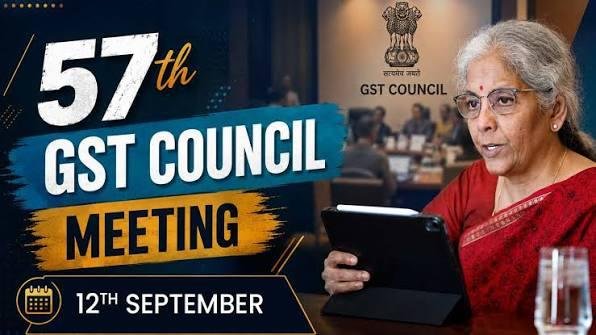
- The GST Council held its 57th meeting and proposed changes to the enforcement provisions of the GST system. The main objective is to reduce unnecessary criminal prosecution of businesses while maintaining action against serious tax evasion and fraud.
- Some states have raised concerns that reducing enforcement powers may weaken the fight against GST fraud.
Major Reforms Proposed by the GST Council
The Council has proposed three major changes:
- Removal of arrest powers under Section
- Section 69 – Arrest Powers – Section 69 of the CGST Act, 2017, gives GST officers the power to arrest persons in certain cases of serious GST offences. The proposed reform aims to remove these arrest powers.
- Increase in the prosecution threshold from ₹1 crore to ₹5 crore.
- This threshold determines the amount involved in a tax offence above which criminal prosecution may be initiated.
- But it does not mean that smaller tax offences will go unpunished. Tax offences involving amounts below ₹5 crore will still attract applicable penalties and tax recovery proceedings (but not criminal prosecution).
- Rationalisation of offences and punishments under Section 132.
- Section 132 – Offences and Punishments – Section 132 deals with various GST offences and their punishments. These include serious offences such as tax evasion and certain forms of tax fraud. The GST Council has proposed rationalising these offences and punishments.
Why are these changes proposed?
- Arrest is a serious action that affects a person’s liberty.
- A tax dispute or genuine mistake should not automatically lead to criminal prosecution.
- The aim is to distinguish between genuine tax disputes and deliberate tax fraud.
| Difference between Tax Recovery, Penalty and Criminal Prosecution
1. Tax recovery: Recovering the unpaid tax. 2. Penalty: Financial punishment for violating tax rules. 3. Criminal prosecution: Taking legal action against a person for committing a criminal offence. |
Other GST Reforms: Beyond Arrest Powers
The proposed reforms also focus on reducing difficulties faced by businesses, especially small businesses.
- Faster Refunds: Delayed GST refunds can create cash-flow problems for businesses. The reforms aim to make eligible refunds faster.
- Wider Eligibility for ITC Refunds: The reforms propose expanding eligibility for Input Tax Credit (ITC) refunds under specific circumstances.
- Input Tax Credit (ITC): It is the credit a business can claim for the GST paid on purchases (inputs) and use it to reduce the GST payable on its sales (output tax).
- Automated Refund Processing: Eligible refunds are proposed to be processed automatically to reduce delays and manual intervention.
- Simplified GST Registration: Registration procedures are proposed to be simplified for eligible e-commerce sellers.
- Faster Adjudication: Pending tax disputes should be resolved more quickly to reduce uncertainty for businesses.
The Bigger Debate: Protecting Taxpayers vs Preventing Tax Fraud
- Need to Protect Taxpayers
- Businesses should not face unnecessary harassment by tax authorities.
- Genuine mistakes and differences in interpretation of tax rules should not automatically result in criminal prosecution.
- Predictable tax procedures can improve business confidence.
- Need to Prevent Tax Evasion
- The government must protect public revenue and prevent deliberate tax fraud.
- GST collections help finance public services and government welfare programmes.
- Serious tax evasion must continue to attract appropriate legal action.
- Need for Balanced Enforcement: The government must distinguish between:
- Genuine mistakes: Unintentional errors in following tax rules.
- Serious negligence: Failure to follow important tax requirements.
- Deliberate fraud: Intentional attempts to evade taxes or misuse the GST system.
- The aim should be to create an enforcement system that is fair, evidence-based and consistent with the law.
Conclusion
The GST Council’s proposed reforms aim to move towards a more taxpayer-friendly GST system by reducing unnecessary criminal prosecution, increasing the prosecution threshold and simplifying compliance procedures.
However, the government must maintain a balance between protecting genuine taxpayers and preventing deliberate tax evasion. The success of these reforms will depend on their legal implementation and actual impact on businesses.
Frequently Asked Questions (FAQs)
Q1. What changes has the GST Council proposed to GST enforcement provisions?
The Council has proposed removing arrest powers under Section 69, increasing the prosecution threshold from ₹1 crore to ₹5 crore, and rationalising offences and punishments under Section 132.
Q2. Does increasing the prosecution threshold mean smaller GST offences will go unpunished?
No. Offences involving amounts below ₹5 crore will still attract applicable penalties and tax recovery proceedings. However, criminal prosecution may not be initiated for such offences under the proposed threshold.
Q3. What other GST reforms has the Council proposed?
The Council has proposed faster GST refunds, wider eligibility for ITC refunds, automated refund processing, simplified registration for eligible e-commerce sellers and faster adjudication of pending tax disputes.
Q4. How do the proposed reforms aim to balance taxpayer protection and tax enforcement?
They seek to prevent unnecessary prosecution for genuine mistakes while ensuring action against deliberate tax fraud. This can improve business confidence without weakening efforts to protect government revenue.