Context
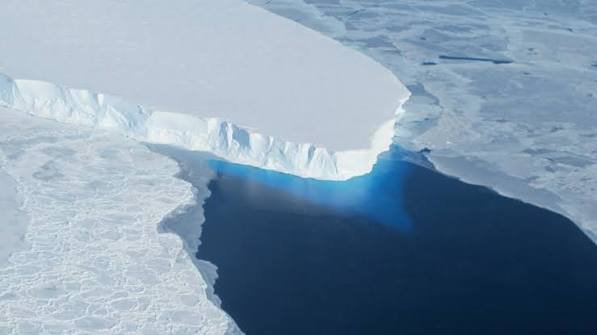
India’s first Glacial Lake Outburst Flood (GLOF) early warning system has been installed at Ghepan Ghat glacial lake (Himachal Pradesh) to detect potential flood threats in the Himalayas.
About the Warning System
- Development: Developed by the Centre for Development of Advanced Computing (C-DAC) under a pilot project funded by the National Disaster Management Authority (NDMA).
- Purpose: Monitors glacial lakes to detect potential flood risks.
- Components:
- Floating buoy: Tracks changes in lake water.
- Automatic weather station: Records weather and environmental data.
- Glacier vision unit: Uses two cameras to monitor the lake and its surroundings.
Working Mechanism
- Data transmission: The buoy sends data every 10 minutes normally and begins emergency transmission within 30 seconds.
- Environmental monitoring: The weather station records 14 environmental parameters, while cameras track changes in the lake and its surroundings.
- Data analysis: A supercomputer-based platform processes data from all three components.
- Disaster preparedness: The data supports flood-risk assessment, early warning and emergency response.
Significance
- Disaster risk reduction: Helps assess flood threats in vulnerable Himalayan regions.
- Timely response: Supports early warnings and emergency planning.
- Community safety: Promotes awareness of flood-prone areas and improves local preparedness.
Additional Information:
- Glacial Lake Outburst Flood (GLOF):
- Meaning: A sudden and catastrophic flood caused by the failure of a natural dam—made of ice or loose moraine debris—holding a high-altitude glacial lake.
- Major triggers: Ice or rock avalanches, heavy rainfall, earthquakes and the structural weakening of moraine dams.
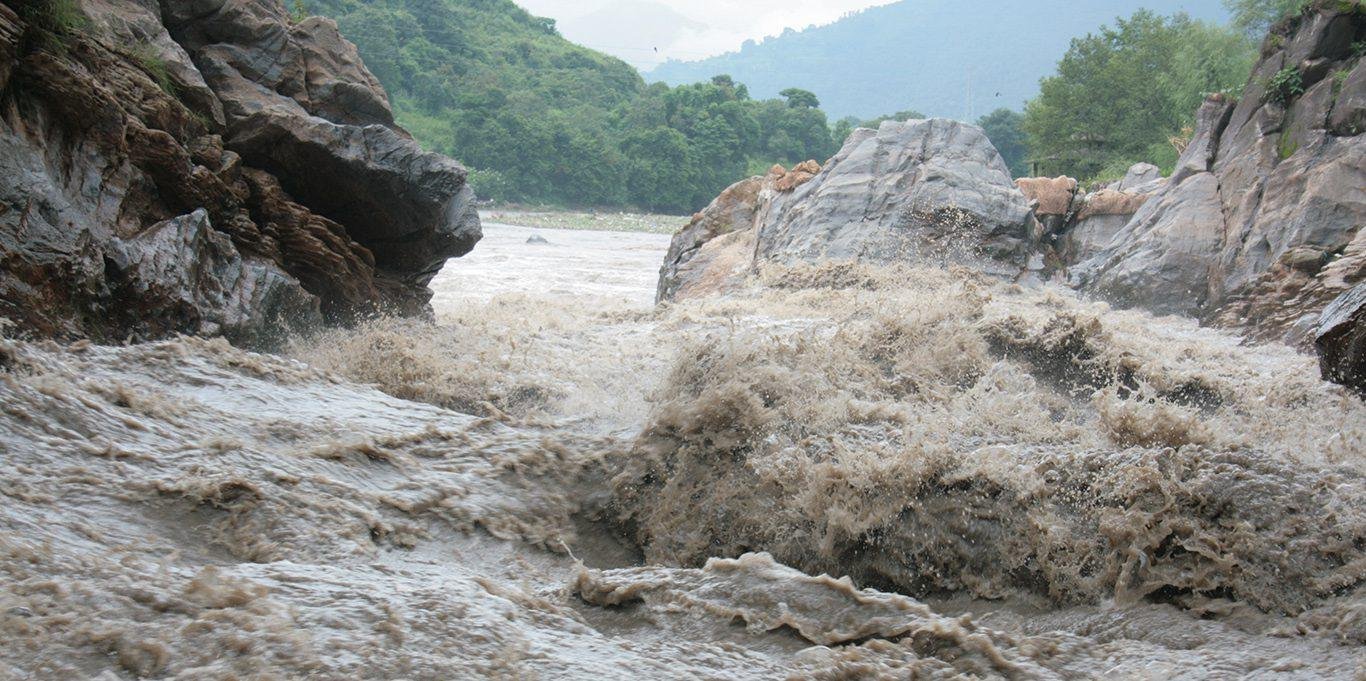
- Impacts: Flash floods, debris flows and extensive destruction of downstream settlements and critical infrastructure.
- Risk reduction: Requires glacial lake monitoring, hazard mapping, Early Warning Systems (EWS), and community-based disaster preparedness.
- Centre for Development of Advanced Computing (C-DAC):
- About: A research and development organisation under the Ministry of Electronics and Information Technology (MeitY), headquartered in Pune, Maharashtra.
- Establishment: Set up in 1988 to develop indigenous supercomputing capabilities after restrictions on access to advanced computing technology.
- Major achievement: Developed PARAM 8000 (1991), India’s first indigenous supercomputer.
- Key areas: High-performance computing, cybersecurity, electronics and language computing.
- National Supercomputing Mission (NSM): C-DAC implements the mission jointly with the Indian Institute of Science (IISc), Bengaluru, under the Department of Science and Technology (DST) and MeitY.
- GLOF management: Supports glacial lake monitoring, flood simulation and inundation mapping to identify potentially affected areas.
- National Disaster Management Authority (NDMA):
- About: India’s apex statutory body for disaster management, established under the Disaster Management Act, 2005, on 27 September 2006.
- Composition: Chaired by the Prime Minister and consists of up to nine other members. One member may be designated as Vice-Chairperson.
- Nodal Ministry: Ministry of Home Affairs (MHA); headquarters in New Delhi.
- Key Functions: Frames disaster management policies and guidelines, approves the National Plan and promotes disaster risk reduction.
- GLOF Guidelines: Issued the Guidelines on Management of Glacial Lake Outburst Floods in October 2020, covering prevention, mitigation, preparedness and response.
FAQs
Q1. What is a Glacial Lake Outburst Flood (GLOF)?
Ans. A GLOF is a sudden flood caused by the failure of an ice or moraine dam holding a glacial lake.
Q2. Which organisations are involved in the GLOF early warning system?
Ans. The Centre for Development of Advanced Computing (C-DAC) developed the system under a pilot project funded by the National Disaster Management Authority (NDMA).
Q3. What are the key components of the GLOF early warning system?
Ans. It comprises a floating buoy, an automatic weather station and a two-camera glacier vision unit, connected to a supercomputer-based analytical platform.