Context
- Elections to the Garo Hills Autonomous District Council (GHADC) have been delayed after the Meghalaya Cabinet approved a second six-month extension of the council’s term.
- The development has brought renewed attention to the Garo community and Sixth Schedule governance in Meghalaya.
Identity and Distribution
- The Garo, who also identify as A’chik, are one of the major tribal communities of Meghalaya.
- They are concentrated mainly in the Garo Hills of western Meghalaya, with smaller populations in neighbouring regions.
- Their language belongs broadly to the Tibeto-Burman linguistic group and is commonly written in the Roman script.
- Garo settlements are traditionally village-based and closely connected with the surrounding hill environment.
Matrilineal Social Organisation
- Garo society is matrilineal, with descent traced through the mother’s clan.
- Property traditionally passes through the female line.
- The Nokna, often the youngest daughter, traditionally inherits family property.
- Garo clans are exogamous, meaning marriage within the same clan is generally prohibited.
- Matriliny, however, does not automatically mean complete female political dominance; men also play important community roles.
Livelihood and Cultural Life
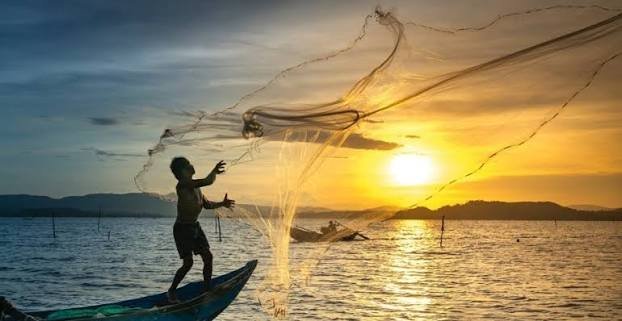
- Agriculture forms the traditional economic base of Garo society.
- Both jhum cultivation and settled agriculture are practised, with rice forming an important crop.
- Traditional Garo religion is known as Songsarek, associated with nature, spirits, ancestors and agriculture.
- Christianity later became widespread, while several indigenous traditions continue.
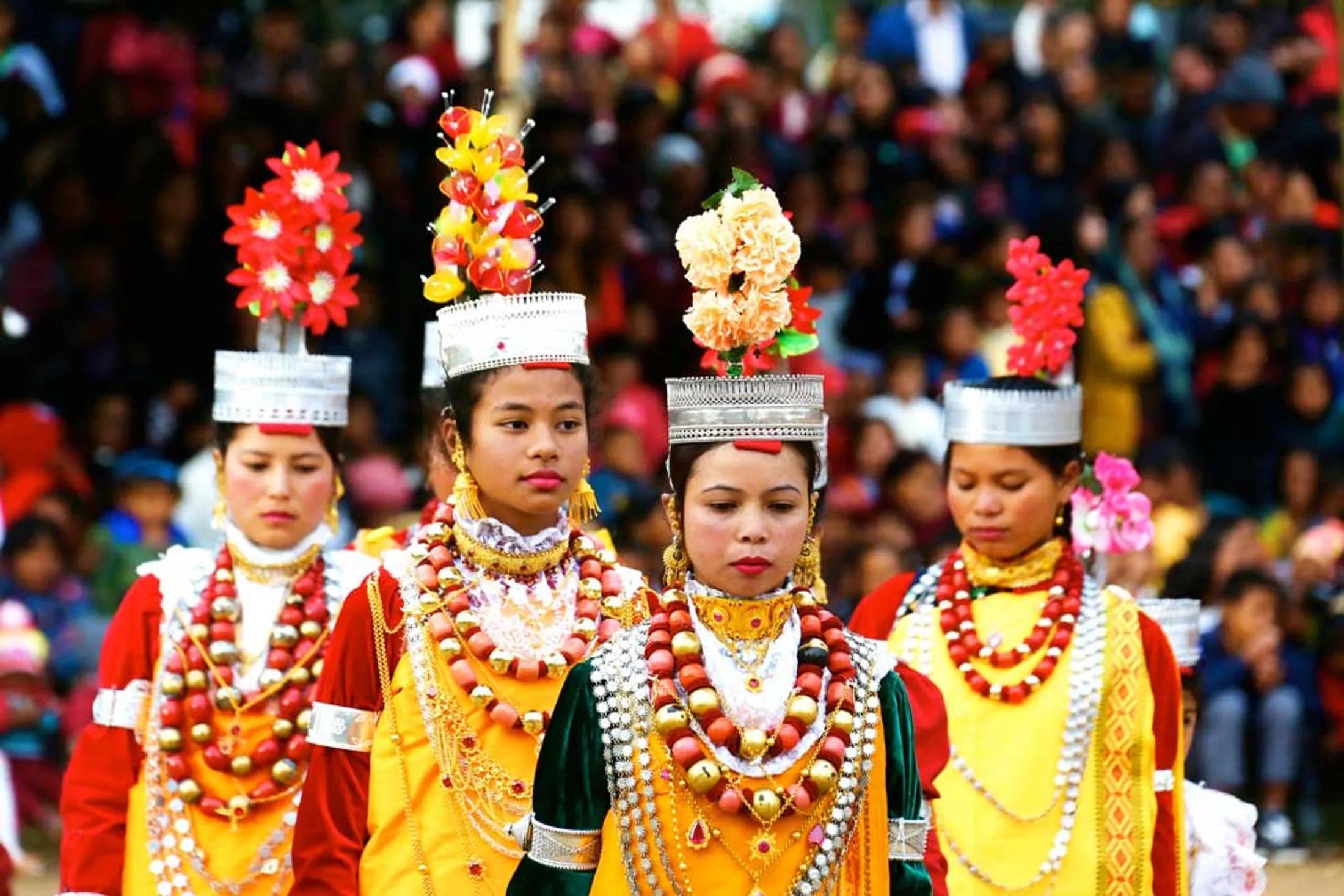
- Wangala, associated with Saljong, is the major harvest festival marked by traditional drums, music and dance.
Constitutional Relevance
- The Garo Hills Autonomous District Council functions under the Sixth Schedule of the Constitution.
- The Sixth Schedule provides a framework of autonomous governance for tribal areas in parts of Northeast India.
- Such councils help protect customary practices, tribal identity and local self-governance.
- The Garo case therefore links tribal culture with constitutional decentralisation and asymmetric federalism.
FAQs
Q1. Where do the Garo primarily live?
In the Garo Hills of western Meghalaya.
Q2. What do the Garo commonly call themselves?
They identify themselves as A’chik.
Q3. What is distinctive about Garo society?
It is matrilineal, with descent and inheritance traced through the female line.
Q4. What is Wangala?
It is the major harvest festival of the Garo.
Q5. Under which constitutional provision does GHADC function?
Under the Sixth Schedule of the Constitution.