Context
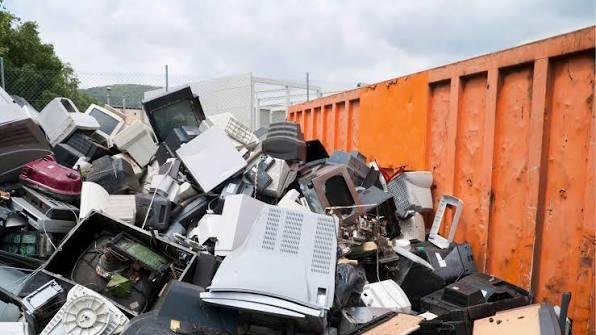
- The rapid use of electronic devices, frequent replacement of gadgets and growing digitalisation have increased the need for safe electronic waste management.
- Discarded electronics contain both valuable materials and hazardous substances, making their proper collection, recycling and disposal essential.
- Effective management requires international cooperation to control cross-border waste movement and domestic regulation to ensure safe recycling and recovery of materials.
What is Electronic Waste (E-Waste)?
- E-waste refers to discarded electrical and electronic equipment, including computers, mobile phones, televisions, refrigerators and their components.
- It can also include discarded solar photovoltaic modules, panels and cells under India’s E-Waste (Management) Rules, 2022.
- E-waste contains two major categories of materials:
- Recoverable Materials: Copper, aluminium, iron, glass, plastics, gold, silver and other valuable metals that can be recovered and reused.
- Hazardous Substances: Lead, mercury, cadmium, hexavalent chromium and certain toxic chemicals that can harm human health and the environment if handled improperly.
Why Does E-Waste Require Proper Management?
- Environmental Protection: Unsafe dismantling, open burning and improper disposal can release toxic substances into the soil, water and air.
- Human Health: Exposure to hazardous metals and chemicals can pose risks to workers and communities involved in informal recycling and waste disposal.
- Resource Recovery: Recycling recovers valuable metals and other materials, reducing the need for fresh mining and raw-material extraction.
- Circular Economy: Reuse, repair, refurbishment and recycling extend the useful life of products and reduce waste generation.
- Safe International Trade: Regulations are needed to prevent countries from using other countries as dumping grounds for hazardous electronic waste.
International Conventions on E-Waste
- Basel Convention, 1989
- Full Name: Basel Convention on the Control of Transboundary Movements of Hazardous Wastes and Their Disposal.
- Adoption: 1989; it entered into force in 1992.
- Objective: To control the movement of hazardous waste across national borders and ensure its environmentally sound management.
- Prior Informed Consent (PIC): The Convention requires the prescribed notification and consent procedure for covered transboundary waste shipments. The receiving country must be informed and its consent obtained where the procedure applies.
- Bamako Convention, 1991
- Adoption: 1991; it entered into force in 1998.
- Regional Scope: An African regional treaty dealing with hazardous-waste management.
- Key Provision: Prohibits the import of hazardous waste, including radioactive waste, into Africa and regulates hazardous-waste movements within the continent.
- Objective: To protect African countries from hazardous-waste dumping and promote environmentally sound waste management.
- The Convention provides a stricter regional framework against hazardous-waste imports and supports preventive measures for protecting human health and the environment.
India’s National Measures for E-Waste Management
- E-Waste (Management) Rules, 2022: India regulates e-waste under the E-Waste (Management) Rules, 2022, notified under the Environment (Protection) Act, 1986. These Rules came into effect on 1 April 2023. The Rules cover specified categories of electrical and electronic equipment and apply to relevant manufacturers, producers, refurbishers and recyclers. Major provisions include:
- Extended Producer Responsibility (EPR): Producers are responsible for meeting prescribed recycling obligations for the electronic equipment covered by the Rules.
- Recycling Targets: Producers must meet their EPR obligations through recycling certificates generated by registered recyclers, in accordance with the prescribed system.
- Digital Monitoring: The Central Pollution Control Board (CPCB) operates an online portal for registration, compliance and EPR certificate transactions.
- Formal Recycling: The framework promotes recycling through registered entities to improve material recovery and reduce unsafe processing.
- Compliance and Accountability: The Rules provide for returns, audits and environmental compensation for violations.
- Control of Cross-Border Waste Movement: India’s e-waste management framework must work alongside applicable rules governing hazardous-waste imports, exports and transboundary movement. Compliance with the Basel Convention is important for preventing illegal shipments and the dumping of hazardous electronic waste.
Challenges in E-Waste Management and Way Forward
| Challenge | Way Forward |
| Informal recycling: Unsafe dismantling and material recovery can expose workers to hazardous substances. | Expand accessible collection systems and integrate informal workers into safer, authorised recycling networks. |
| Low collection and return rates: Consumers may store unused devices or discard them with ordinary household waste. | Establish convenient take-back systems, collection centres and public awareness programmes. |
| Regulatory non-compliance: Some producers and recyclers may fail to meet their obligations or report waste flows accurately. | Strengthen CPCB monitoring, audits, traceability and enforcement of EPR obligations. |
| Loss of valuable resources: Improper disposal wastes recoverable metals and increases dependence on fresh raw materials. | Promote repair, refurbishment, reuse and efficient material recovery. |
| Hazardous cross-border shipments: Countries may face illegal imports or shipments intended for unsafe disposal. | Improve customs checks, documentation and cooperation under the Basel Convention. |
| Limited consumer awareness: Many people do not know where or how to dispose of electronics safely. | Promote awareness through schools, local bodies, manufacturers and digital platforms. |
Conclusion
E-waste management is both an environmental necessity and an economic opportunity. Moving forward, India must improve collection, strengthen compliance and expand safe recycling and material recovery. The goal should be to treat discarded electronics as a recoverable resource while preventing their hazardous components from damaging human health and the environment.
Frequently Asked Questions (FAQs)
Q1. What is e-waste?
E-waste refers to discarded electrical and electronic equipment, such as computers, mobile phones, televisions, refrigerators and specified solar photovoltaic equipment.
Q2. What are the major environmental and health risks of e-waste?
Unsafe recycling and disposal can release hazardous substances such as lead, mercury and cadmium, contaminating soil, water and air and exposing workers and communities to health risks.
Q3. What is the objective of the Basel Convention?
The 1989 Basel Convention controls the transboundary movement of hazardous wastes and promotes their environmentally sound management through procedures including Prior Informed Consent (PIC).
Q4. What is Extended Producer Responsibility (EPR) under India’s E-Waste Management Rules, 2022?
EPR makes producers responsible for meeting prescribed recycling obligations for covered electronic equipment, supported by recycling certificates generated by registered recyclers.
Q5. How can India improve e-waste management?
India can strengthen collection and take-back systems, integrate informal workers into authorised recycling, improve CPCB monitoring, promote repair and reuse, and prevent illegal cross-border waste shipments.