Context
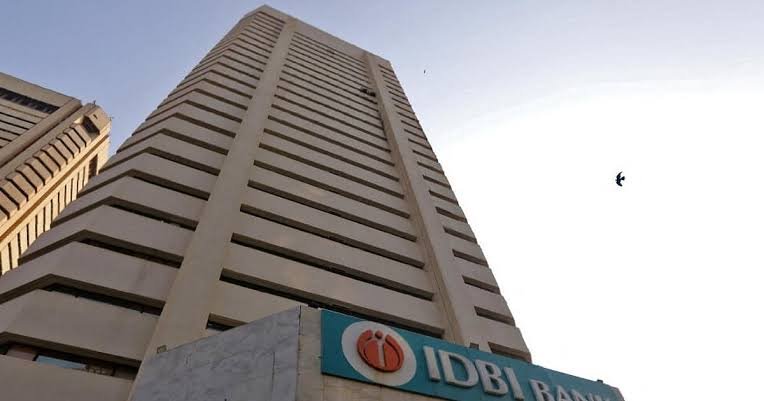
- The Cabinet Committee on Economic Affairs (CCEA), chaired by Prime Minister Narendra Modi, has approved the sale of a 72% stake in IDBI Bank to Fairfax Financial Holdings for ₹52,878 crore.
- The deal is expected to become India’s largest-ever Foreign Direct Investment (FDI) transaction in the financial sector and is expected to be completed by March 2027. It is an important step in the government’s strategic disinvestment programme.
- Finance Minister Nirmala Sitharaman described it as a restructuring rather than a complete exit, as the government will continue to hold a stake in the bank.
Regulatory Conditions Attached to the Deal
The RBI has prescribed certain conditions to ensure that the acquisition does not create risks for the banking system.
- Reduction in Stake: Fairfax must gradually reduce its stake to 26% over 15 years. The detailed plan will be finalised with the RBI.
- Retention of Bank’s Name: Fairfax must retain the name IDBI Bank for three years after the deal is completed.
- Capital Lock-in: Fairfax cannot withdraw its invested capital for five years.
- LIC’s Remaining Stake: LIC must reduce its remaining 19% stake to 15% within two years.
- One-Bank Rule: RBI rules do not allow an entity to own two banks. Since Fairfax already holds 40% in Kerala-based CSB Bank, it must either merge CSB Bank with IDBI Bank or sell its stake in CSB Bank within two years.
- Fit-and-Proper Assessment: Fairfax must meet the RBI’s eligibility and regulatory requirements before the deal is completed. It must also submit a plan to comply with the conditions.
- Open Offer: Minority shareholders will be given an option to sell their shares as part of the transaction.
What Happens to the Government’s Remaining Stake?
- After selling 30.48%, the government will retain a 15% stake in IDBI Bank.
- The CCEA has authorised a group of ministers, headed by the Finance Minister, to sell this remaining stake through the open market.
- This will allow the government to raise additional funds if the value of its shares increases in the future.
- LIC will independently decide how to manage its remaining stake, subject to applicable rules.
IDBI Bank’s Journey
- IDBI was established in 1964 as a Development Financial Institution (DFI) to support industrial development by providing long-term finance.
- In 2004, it was converted into a banking company.
- In 2019, LIC stepped in as its promoter when the bank was facing financial difficulties.
- The present deal will transfer majority ownership to Fairfax Financial Holdings.
Significance of the Deal
- Major Foreign Investment: The deal will bring ₹52,878 crore into India and become the country’s largest FDI transaction in the financial sector.
- Boost to Disinvestment Target: The proceeds will help the government move closer to its ₹80,000 crore disinvestment target for FY27.
- Global Investor Confidence: The deal reflects growing interest among foreign investors in India’s banking and financial sector.
- Better Use of Government Resources: Selling its stake allows the government to reduce its ownership in a bank and use the funds for other priorities.
- Expansion of Financial Services: Fairfax may use IDBI Bank’s customer base, branches and funding network to expand its presence in India’s financial sector.
- Part of a Larger Investment Trend: The deal follows other major foreign investments in Indian financial institutions, including investments by Emirates NBD, MUFG and SMBC.
- Employee and Union Concerns: The government has stated that employees’ existing service conditions will remain unchanged. Pension benefits are also fully funded through a separate fund. However, IDBI Bank’s employee and officers’ unions have opposed the sale, arguing that the bank is being sold at a low price.
Challenges and Way Forward
| Challenges | Way Forward |
| Employee Concerns: Employees and unions fear that private ownership may affect their interests in the future. | Protect employees’ service conditions and pension benefits. |
| Regulatory Compliance: Fairfax must meet several RBI conditions, including reducing its stake and resolving its ownership of CSB Bank. | Ensure that Fairfax complies with all RBI conditions and banking regulations. |
| Valuation Concerns: Employee unions believe the sale price is too low, raising questions about whether the bank’s value has been properly assessed. | Ensure transparency in the sale process and proper valuation of public assets. |
| Ownership Transition: The transfer of control must be managed carefully to ensure that banking services and operations are not disrupted. | Maintain strong regulatory supervision to safeguard depositors and financial stability. |
Conclusion
The Fairfax–IDBI Bank deal is a major development in India’s financial sector. It brings significant foreign investment, helps the government raise funds through disinvestment and reflects international confidence in Indian banking. However, its success will depend on a smooth ownership transition, protection of employee interests and strict compliance with RBI regulations.
Frequently Asked Questions (FAQs)
Q1. What is the Fairfax–IDBI Bank deal?
It involves the sale of a 60.72% stake in IDBI Bank to Fairfax Financial Holdings for ₹52,878 crore, making it India’s largest-ever financial sector FDI transaction.
Q2. Why is the Fairfax–IDBI Bank deal significant for India?
The deal brings substantial foreign investment, supports the government’s disinvestment programme, improves investor confidence and allows the government to redirect resources towards other development priorities.
Q3. What regulatory conditions has the RBI imposed on Fairfax?
Fairfax must gradually reduce its stake to 26% within 15 years, retain IDBI Bank’s name for three years, lock in capital for five years and comply with other RBI requirements.
Q4. Why must Fairfax resolve its ownership of CSB Bank?
Fairfax already holds 40% in CSB Bank. Since RBI rules restrict an entity from owning two banks, Fairfax must merge CSB Bank with IDBI Bank or sell its CSB stake within two years.
Q5. What will happen to the government’s remaining stake in IDBI Bank?
The government will retain a 15% stake initially. A group of ministers, headed by the Finance Minister, has been authorised to sell it through the open market, subject to applicable rules.