Context
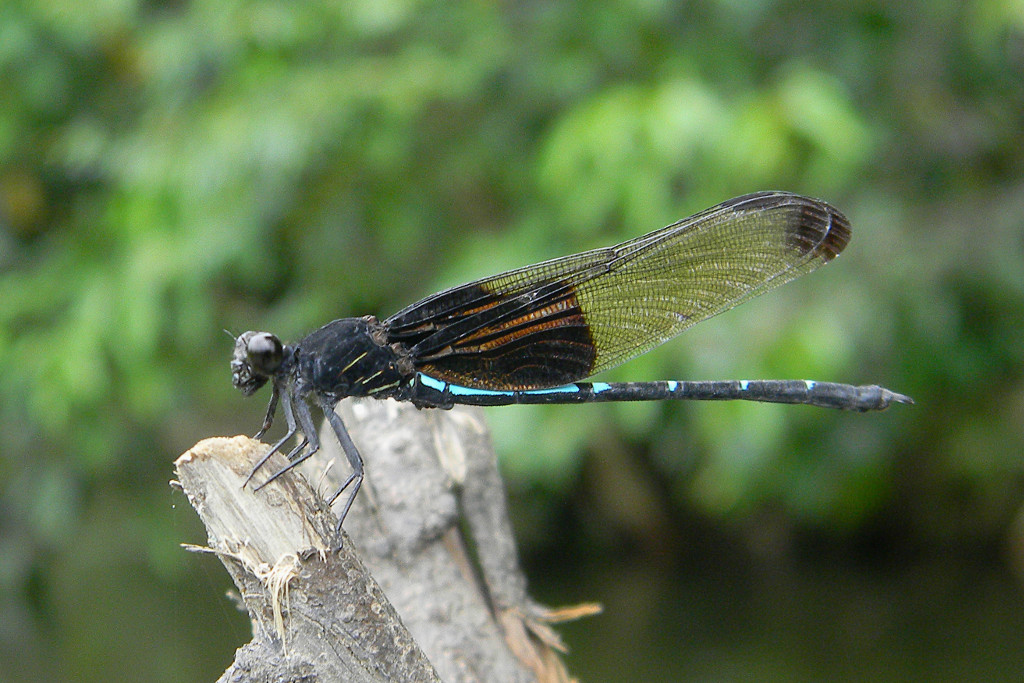
Researchers have formally identified Dysphaea assamensis, a new damselfly species from Karbi Anglong, Assam, previously mistaken for Dysphaea walli, a species described in Myanmar in 1927.
About the Species
- Discovery & Description: Formally described by researchers from Dibrugarh University using male specimens collected in 2026, with its holotype (reference specimen) from Karbi Anglong.
- Physical Features: Distinct black body with blue abdominal markings, differentiated from D. walli by wing patterns, color, and structural traits.
- Taxonomic Naming: Named assamensis to honor its place of origin, Assam.
- Habitat Requirements: Inhabits partly shaded lowland forest streams, such as those in Nambor and Garampani Wildlife Sanctuaries feeding into the Dhansiri River.
- Geographical Distribution: Found across North-East India (Assam, Meghalaya, West Bengal, Tripura) and north-eastern Bangladesh.
- Genus Diversity: Belongs to the damselfly genus Dysphaea, which comprises 10 species globally, including three in India.
- Conservation Concerns: Vulnerable to habitat fragmentation, forest clearing, and stream degradation affecting shade-dependent aquatic ecosystems.
About Damselflies
- Taxonomic Classification: Belong to the order Odonata, suborder Zygoptera (dragonflies belong to Anisoptera); the genus Dysphaea falls under the family Euphaeidae (torrent darts).
- Physical Characteristics: Characterized by slender bodies, delicate net-veined wings, and weaker flight capabilities compared to dragonflies.
- Key Differences from Dragonflies:
- Wing Alignment: Damselflies fold wings parallel along the body at rest, whereas dragonflies hold them outspread horizontally (except Spreadwings of family Lestidae, which keep wings in a V-shape).
- Eye Positioning: Damselflies have widely separated eyes, while dragonfly eyes meet or touch at the top of the head.
- Life Cycle & Feeding: Eggs are laid in aquatic environments; predatory aquatic nymphs develop in water, while adults hunt small pest insects like mosquitoes.
- Ecological Importance: Serve as crucial bioindicators of unpolluted, oxygen-rich, and well-vegetated freshwater ecosystems.
- Biogeographical Significance: Abundant in Northeast India due to the confluence of two global biodiversity hotspots: the Himalayas and Indo-Burma.
FAQs
Q1. How many Dysphaea species are now known?
Ans. Ten worldwide, including three found in India.
Q2. What kind of habitat does it need?
Ans. Shaded, undisturbed lowland forest streams.
Q3. What is the difference between damselflies and dragonflies?
Ans. Damselflies (Zygoptera) are slender, fold their wings at rest and have widely separated eyes, unlike dragonflies (Anisoptera).
Q4. Why are damselflies ecologically important?
Ans. They control insect populations as predators and act as bioindicators of freshwater quality.