Context
Maharashtra declared 40 additional talukas (administrative subdivision of a district comprising several villages) drought-hit, making eligible farmers entitled to relief measures, including reported assistance of ₹5,000 ahead of the Rabi season.
What is a Drought?
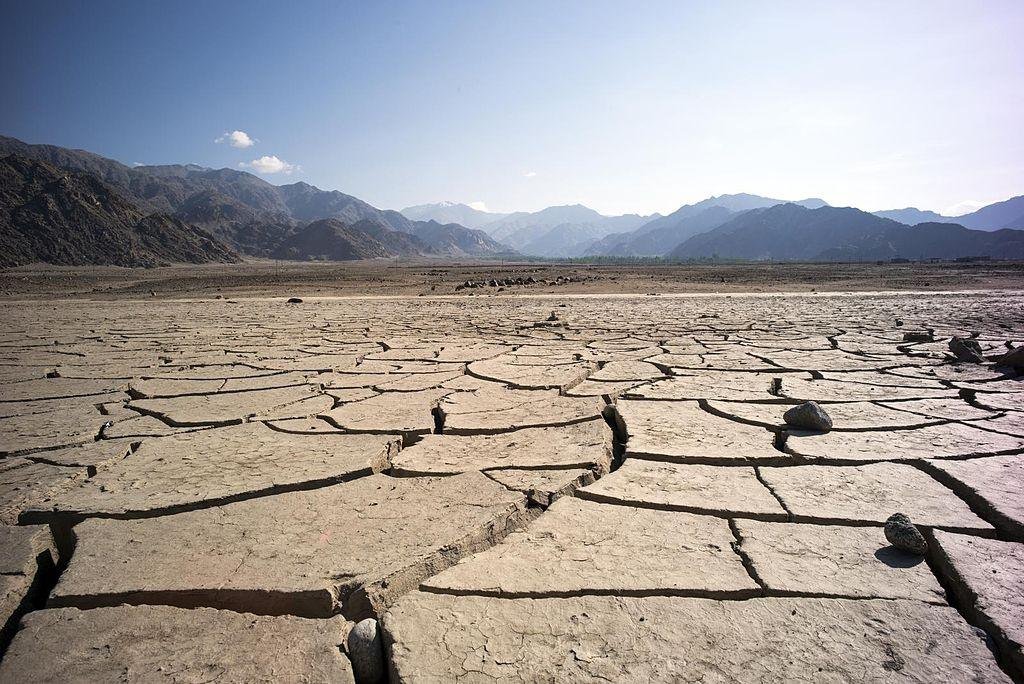
- Drought is a prolonged period of water shortage caused by inadequate rainfall or other factors that reduce the availability of water for soil, crops, rivers and groundwater.
- Nature: Drought is a slow-onset natural hazard whose effects may develop gradually and continue even after rainfall improves.
- Drought does not occur only because of low rainfall. Poor water storage, excessive groundwater extraction, land degradation and low soil moisture can also contribute to drought conditions.
- Major Types of Droughts
- Meteorological drought: Rainfall falls significantly below the normal level for a given period.
- Agricultural drought: Soil moisture becomes insufficient to support normal crop growth.
- Hydrological drought: Water levels in rivers, reservoirs and groundwater decline below normal levels.
What are the Major Causes of Drought in India?
- Weak or Deficient Monsoon: Below-normal monsoon rainfall reduces water availability for agriculture, drinking and other needs.
- El Niño: El Niño can weaken the Indian summer monsoon and increase the likelihood of rainfall deficiency, although drought is not inevitable in every El Niño year.
- Delayed Onset or Early Withdrawal: A late arrival or early withdrawal of the monsoon can shorten the crop-growing season and create water stress.
- Uneven Rainfall Distribution: Normal seasonal rainfall at the national level can hide severe rainfall shortages in particular districts or regions.
- Deforestation and Land Degradation: Loss of vegetation and soil erosion reduce the soil’s ability to absorb and retain water, worsening agricultural drought.
- Excessive Groundwater Extraction: Overuse of groundwater for irrigation and other purposes lowers water tables and increases the risk of hydrological drought.
- Poor Water Storage and Management: Inadequate rainwater harvesting, reduced groundwater recharge and inefficient irrigation can cause water shortages even when some rainfall occurs.
How does the IMD classify Drought?
- Long Period Average (LPA): The LPA is the average rainfall recorded over a specified long-term reference period. Rainfall deficiency is assessed by comparing actual rainfall with this average.
- Drought Classification: Under the commonly used IMD rainfall-deficiency classification, meteorological drought severity is described as follows:
| Category | Rainfall deficiency |
| Moderate drought | 26%–50% below normal |
| Severe drought | More than 50% below normal |
How is Drought declared in India?
- State Government Authority: State governments are responsible for declaring drought in affected areas, generally at the district or sub-district level, according to applicable guidelines.
- Multiple Indicators: Assessment considers rainfall deficiency, soil moisture, vegetation conditions, crop damage and water availability, as prescribed under drought-assessment guidelines.
- Ground-Level Assessment: Officials assess agricultural conditions and local water shortages to determine the extent and severity of drought.
- Political and Administrative Concerns: Delays, inconsistent assessments or pressure to declare particular areas drought-hit can affect the timely and fair distribution of relief.
- Central Assistance: Once drought is declared and the prescribed conditions are met, the state can seek eligible assistance under the applicable norms of the National Disaster Response Fund (NDRF). Declaration does not automatically guarantee a fixed payment to every farmer.
What is the Drought Prone Areas Programme?
- Launch: The Drought Prone Areas Programme (DPAP) was launched in 1973–74 to reduce the effects of drought in vulnerable regions.
- Objective: It aimed to improve the livelihoods of people in drought-prone areas while restoring ecological balance.
- Key Measures: Its approach included watershed development, soil and moisture conservation, afforestation and water-resource development.
- Importance: The programme highlighted the need to address the underlying causes of drought rather than relying only on relief after a drought occurs.
Which areas of India are vulnerable to drought?
| Region | Major drought-prone areas |
| Western India | Western Rajasthan and the Kutch region of Gujarat are highly vulnerable because of low and irregular rainfall. |
| Central India | Bundelkhand, parts of Madhya Pradesh and adjoining regions experience recurrent drought conditions. |
| Southern India | Rayalaseema, parts of Karnataka and the rain-shadow regions of the Deccan Plateau face frequent water stress. |
| Western Maharashtra | Marathwada and parts of interior Maharashtra are vulnerable to rainfall variability and agricultural drought. |
| Other vulnerable regions | Parts of Telangana, Tamil Nadu and other semi-arid regions also experience drought periodically. |
What are the NDMA Guidelines for Drought Management?
- Drought Monitoring: Monitor rainfall, soil moisture, vegetation conditions and reservoir levels to identify drought risks early.
- Early Warning and Assessment: Use weather forecasts, satellite data and drought indicators to assess the severity and likely impact of drought.
- Water Conservation: Promote rainwater harvesting, watershed development, groundwater recharge and efficient irrigation to improve water availability.
- Agricultural Protection: Encourage drought-resistant crops, crop diversification, suitable sowing practices and contingency plans for crop failure.
- Relief and Essential Supplies: Ensure timely assistance to affected farmers and provide drinking water, fodder and other essential support to vulnerable communities.
- Coordination and Preparedness: Coordinate state departments, district administrations and relevant agencies to implement drought-management plans and review preparedness regularly.
Frequently Asked Questions (FAQs)
Q1. What is a drought?
Drought is a prolonged period of water shortage caused by inadequate rainfall or factors that reduce water availability.
Q2. What are the major types of drought?
Meteorological drought involves deficient rainfall, agricultural drought involves inadequate soil moisture for crops, and hydrological drought involves declining water levels in rivers, reservoirs and groundwater.
Q3. How does the IMD classify drought severity based on rainfall deficiency?
Moderate drought involves a rainfall deficiency of 26%–50%, while severe drought involves a deficiency of more than 50% below normal.
Q4. Who declares drought in India?
State governments declare drought in affected areas, generally at the district or sub-district level, based on rainfall, soil moisture, crop damage and water availability.
Q5. What are the major measures for drought management?
Key measures include rainwater harvesting, watershed development, groundwater recharge, efficient irrigation, drought-resistant crops, early warning systems and timely relief to affected communities.