Context
A group of 69 former bureaucrats has urged the Ministry of Environment, Forest and Climate Change (MoEFCC) to cancel the proposed Demwe Lower Hydroelectric Project in Arunachal Pradesh, citing ecological risks, geological vulnerability and adverse impacts on local communities.
About Demwe Lower Hydroelectric Project
- Location: Proposed across the Lohit River in Arunachal Pradesh, upstream of Parshuram Kund.
- Installed Capacity: 1,750 MW (Megawatts), made up of five units of 342 MW each and one unit of 40 MW.
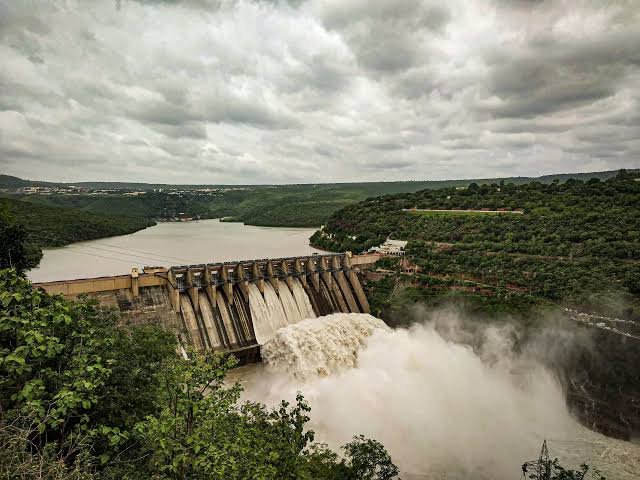
- Dam Design: Concrete gravity dam—163.12 m tall with a 474.35 m crest length—holding back water mainly through its own weight.
- Key Structures: Includes diversion tunnels, pressure shafts, spillways, and a surface powerhouse on the right bank.
- Power Output: Expected to generate around 7,326 million units of electricity per year.
- Implementing Entities: Developed by Athena Demwe Power Limited along with the Government of Arunachal Pradesh.
About the Lohit River
- Origin & Entry: Rises on the Eastern Tibetan Plateau and enters India through Arunachal Pradesh.
- River Basin Link: Major tributary of the Brahmaputra River.
- Course & Hills: Flows through the Mishmi Hills before entering the Assam plains.
- Confluence: Meets the Siang and Dibang river system near Sadiya, Assam, to form the main Brahmaputra channel.
- Religious Importance: Parshuram Kund (in Lohit district) is a major pilgrimage site, especially during Makar Sankranti.
- Ecological Value: Lies within the Eastern Himalayan Biodiversity Hotspot.
Environmental Concerns
- Earthquake Risk: Arunachal Pradesh lies in Seismic Zone V, raising safety concerns for large dams against earthquakes and slope/geological hazards.
- Biodiversity & Forest Loss: Dam building can cause forest fragmentation, habitat loss, and harm to river and aquatic life.
- Flow & Sediment Shifts: Changes in downstream water flow and silt/sediment movement can affect river ecosystems.
- Livelihood & Cultural Impact: May affect local livelihoods and the sacred value of Parshuram Kund.
- Cumulative Basin Impact: Multiple hydropower projects in the Lohit basin need a combined basin-level EIA (Environmental Impact Assessment) rather than stand-alone project reviews.
FAQs
Q1. Lohit River is a tributary of which river?
Ans. The Brahmaputra River.
Q2. What is a concrete gravity dam?
Ans. A concrete dam that relies on its own weight to resist water pressure and maintain stability.
Q3. Parshuram Kund is situated on the banks of which river?
Ans. The Lohit River in Arunachal Pradesh.