Context
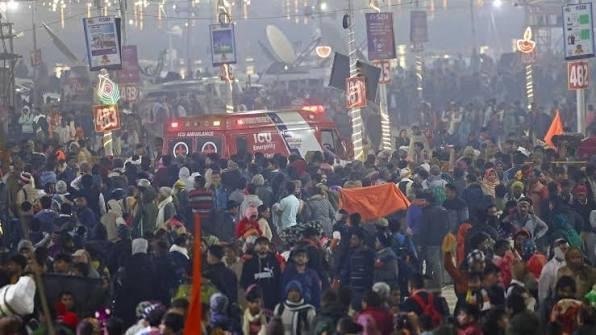
The TUMAINI Phase 2/3 vaccine trial has begun in Bunia, Democratic Republic of the Congo (DRC), amid the ongoing Bundibugyo virus disease outbreak. The trial is testing vaccine candidates against BVD, for which no licensed vaccine currently exists.
Location
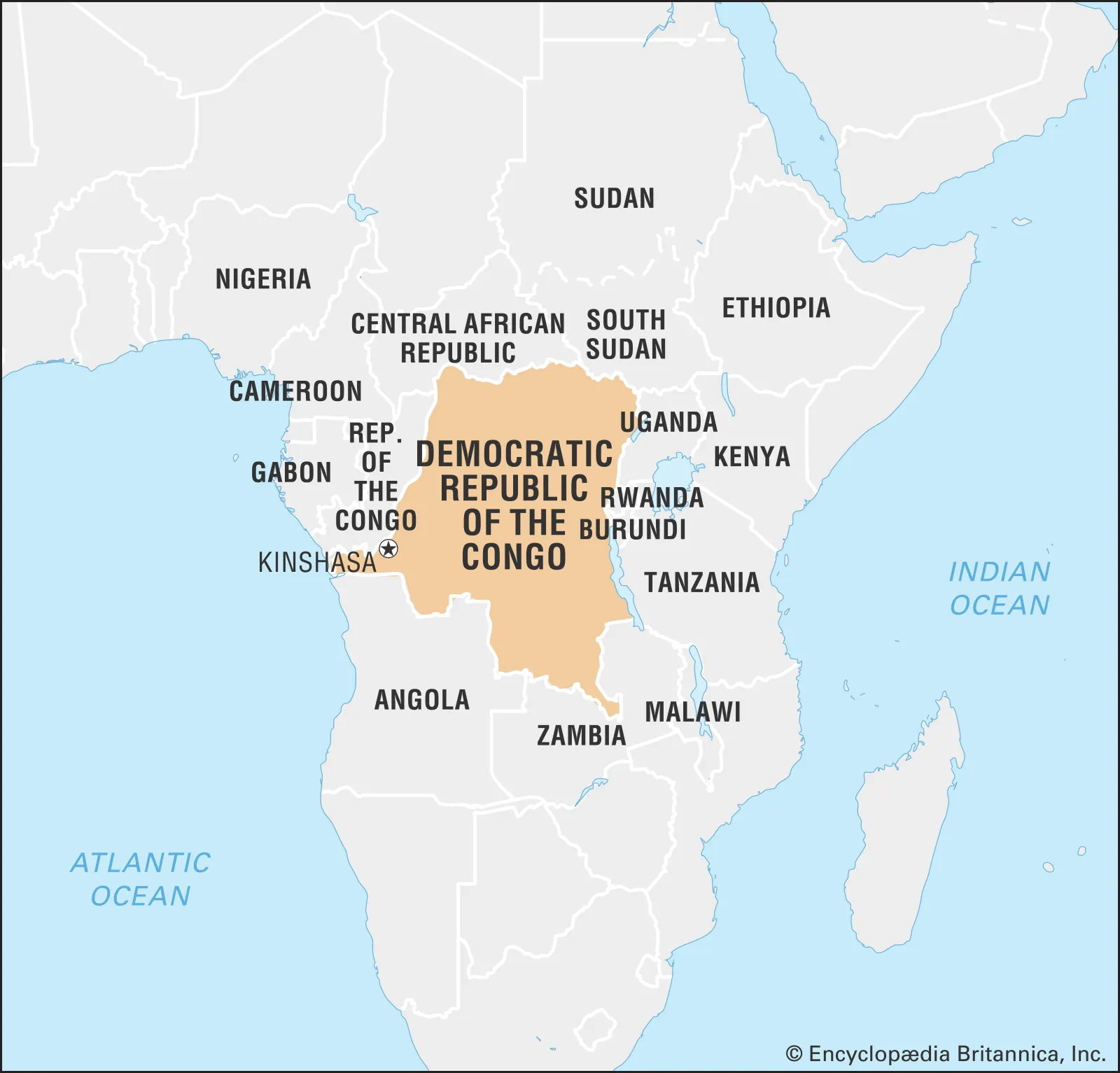
- Central Africa: The DRC lies in Central Africa and is crossed by the Equator, placing much of the country within the tropical Congo Basin.
- Nine neighbours: It borders Republic of the Congo, Central African Republic, South Sudan, Uganda, Rwanda, Burundi, Tanzania, Zambia and Angola, giving it strong regional connectivity.
- Atlantic access: A narrow coastline on the Atlantic Ocean gives the largely inland country direct maritime access.
- Capital: Kinshasa, situated on the Congo River, is the political and economic centre of the country.
Physical Geography
- Congo Basin: Much of the country lies within a broad central basin surrounded by plateaus and highlands, shaping its drainage and vegetation.
- Congo River: The Congo River and its tributaries drain most of the country and provide important routes for transport and hydropower.
- Eastern highlands: The Rwenzori and Virunga ranges dominate the east, where tectonic activity has created steep mountains and volcanic landscapes.
- Great Lakes: Lake Tanganyika, Lake Kivu, Lake Edward and Lake Albert lie along or near the eastern frontier, connecting the DRC with the East African Great Lakes region.
- Volcanism: Mount Nyiragongo, near Goma, is an active volcano associated with the East African Rift system.
Climate and Natural Resources
- Climate: Much of the DRC has a hot and humid equatorial climate, while southern and highland areas are relatively cooler or drier.
- Rainforests: The country contains a major share of the Congo Basin rainforest, supporting rich biodiversity and large carbon stores.
- Minerals: It has major deposits of cobalt, copper and diamonds, making mining an important part of its economy.
- Hydropower: Its extensive river network provides substantial hydroelectric potential, although infrastructure gaps limit full utilisation.
Strategic Significance of DRC
- Clean-energy supply chains: The DRC’s cobalt and copper are important for batteries, electric vehicles and other clean-energy technologies, giving it a major role in global mineral supply chains.
- Climate importance: Its vast tropical forests store carbon and support biodiversity, making their conservation important for climate regulation and ecosystem protection.
- Regional stability: With borders touching nine countries, conflict, disease outbreaks and population movements can quickly create cross-border effects.
- Resource-governance challenge: Despite abundant minerals, forests and hydropower potential, weak infrastructure and instability constrain development, showing that natural wealth does not automatically translate into broad-based prosperity.
FAQs
Q1. What is the capital of the Democratic Republic of the Congo?
Kinshasa.
Q2. Which river dominates the drainage of the DRC?
The Congo River.
Q3. Which active volcano is located in eastern DRC?
Mount Nyiragongo.
Q4. Which major lakes are associated with the DRC?
Tanganyika, Kivu, Edward and Albert.
Q5. Why is the DRC globally important?
Because of its critical minerals, tropical forests and strategic location in Central Africa.