Context
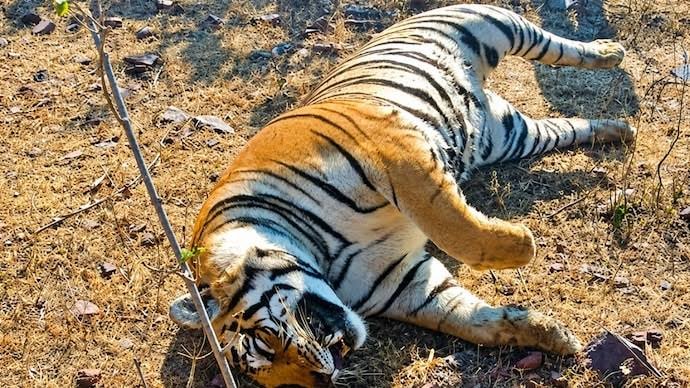
- A young tigress at Kanha Tiger Reserve, Madhya Pradesh, recently died after showing symptoms suspected to be linked with Canine Distemper Virus (CDV).
- The incident has renewed concern over the impact of infectious diseases on wild carnivores and protected populations.
Canine Distemper: Cause and Transmission
- Canine distemper is a highly contagious viral disease caused by the Canine Distemper Virus (CDV), a member of the Morbillivirus group.
- It primarily affects the respiratory, gastrointestinal, immune and nervous systems.
- Although commonly associated with dogs, CDV can infect many mammals, especially carnivores such as lions, tigers, leopards and ferrets.
- It spreads mainly through respiratory droplets and direct contact with infected secretions.
- Indirect transmission can also occur through contaminated food, water or objects, though the virus generally survives poorly outside the host.
- Infected animals may shed the virus for an extended period, increasing the possibility of transmission.
Symptoms and Disease Progression
- Early symptoms: Fever, nasal and eye discharge, coughing, loss of appetite and pneumonia.
- Gastrointestinal symptoms: Vomiting and diarrhoea may occur as the infection progresses.
- Neurological symptoms: Seizures, muscle twitching, limb weakness, stiffness and loss of balance may develop in severe cases.
- Characteristic signs: Thickening of the nose and paw pads may occur in some infected animals.
- CDV also suppresses the immune system, making infected animals more vulnerable to secondary infections.
- In wildlife, diagnosis and treatment are more difficult because infected animals may remain undetected until disease becomes advanced.
Why CDV Matters for Wildlife Conservation
- Cross-species transmission: Domestic dogs and other susceptible wild carnivores can act as sources of CDV spillover into threatened wildlife populations.
- High mortality risk: Severe outbreaks can significantly affect small, isolated or endangered carnivore populations.
- Indian relevance: CDV has previously been reported in Asiatic lions and other wild carnivores, showing its importance for wildlife health management.
- Human–wildlife interface: Increasing interaction among domestic animals, stray dogs and wildlife near protected areas can facilitate disease transmission.
- CDV therefore shows that wildlife conservation must include disease surveillance and veterinary preparedness, not only habitat and anti-poaching measures.
Prevention and Management
- There is no specific antiviral cure for canine distemper; treatment is mainly supportive.
- Vaccination of domestic dogs is the most effective preventive measure.
- Protected areas need stronger disease surveillance, rapid diagnostics and monitoring of animals around reserve boundaries.
- Vaccinating susceptible dog populations around important wildlife habitats can reduce the risk of spillover into wild carnivores.
- A One Health approach linking wildlife management, veterinary services and local communities is important for long-term disease control.
FAQs
Q1. What causes canine distemper?
It is caused by the Canine Distemper Virus (CDV).
Q2. Which body systems are mainly affected?
The respiratory, gastrointestinal, immune and nervous systems.
Q3. Can CDV infect wildlife?
Yes. It can infect lions, tigers, leopards, ferrets and several other carnivores.
Q4. Is there a specific cure for canine distemper?
No. Treatment is mainly supportive care.
Q5. What is the main preventive measure?
Vaccination of domestic dogs, along with surveillance near wildlife habitats.