Context
A man was recently killed after being attacked by a wild buffalo while working in a jute field on a river island near Bura Chapori Wildlife Sanctuary in Assam, bringing the sanctuary into the news.
About Bura Chapori Wildlife Sanctuary
- Location: It is located in Sonitpur district of Assam, on the south bank of the Brahmaputra River.
- Area: The sanctuary covers around 06 sq. km. and forms an important part of the Brahmaputra floodplain ecosystem.
- It is part of the Laokhowa–Bura Chapori ecosystem, an important wetland-grassland landscape of Assam.
- Geographical Setting: It lies between Kaziranga National Park to the east, Orang National Park to the west and Laokhowa Wildlife Sanctuary to the south, forming an important wildlife landscape in the Brahmaputra valley.
Habitat and Vegetation
- Alluvial Grasslands: The sanctuary has extensive wet alluvial grasslands, which are periodically influenced by Brahmaputra floods and provide suitable habitat for herbivores.
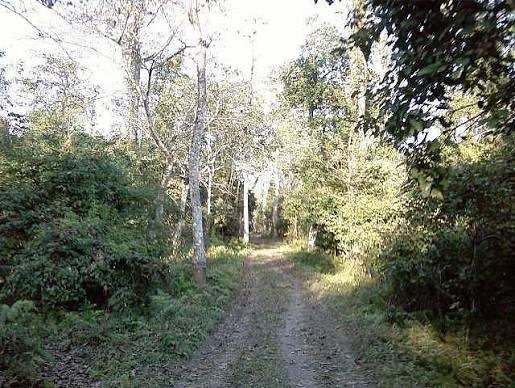
- Riparian and Semi-evergreen Forests: It contains a mixture of riparian forests and semi-evergreen vegetation, along with wetlands and river channels.
- Plant Diversity: The area supports several plant species, including Hollong, Mekai, Dhuna, Udiyam and Nahar, along with medicinal plants.
Wildlife Significance
- Large Mammals: The sanctuary provides habitat for the one-horned rhinoceros, tiger, leopard, wild buffalo, elephant, hog deer and wild pig.
- Bird Diversity: Its grasslands and wetlands support several bird species, including the Bengal Florican, Black-necked Stork, Open-billed Stork, Mallard, Teal and Whistling Duck.
- Floodplain Ecosystem: The combination of grasslands, wetlands, forests and river systems makes it an important habitat within the Brahmaputra floodplain.
- Human–Wildlife Conflict: The proximity of agricultural fields and human settlements to wildlife habitats can increase human–wildlife conflict, particularly involving large mammals such as wild buffalo and elephants.
FAQs
Q1. Where is Bura Chapori Wildlife Sanctuary located?
It is located in Sonitpur district of Assam, on the south bank of the Brahmaputra.
Q2. Which ecosystem is Bura Chapori part of?
It forms part of the Laokhowa–Bura Chapori ecosystem.
Q3. What is the area of the sanctuary?
It covers approximately 44.06 sq. km.
Q4. What type of vegetation is found here?
It consists mainly of wet alluvial grasslands, riparian forests and semi-evergreen forests, along with wetlands and river systems.
Q5. Name some important animals found here.
The sanctuary supports one-horned rhinoceros, tiger, leopard, wild buffalo, elephant and hog deer.
Q6. Which endangered bird is associated with Bura Chapori?
The sanctuary provides habitat for the Bengal Florican, a highly endangered grassland bird.