Context
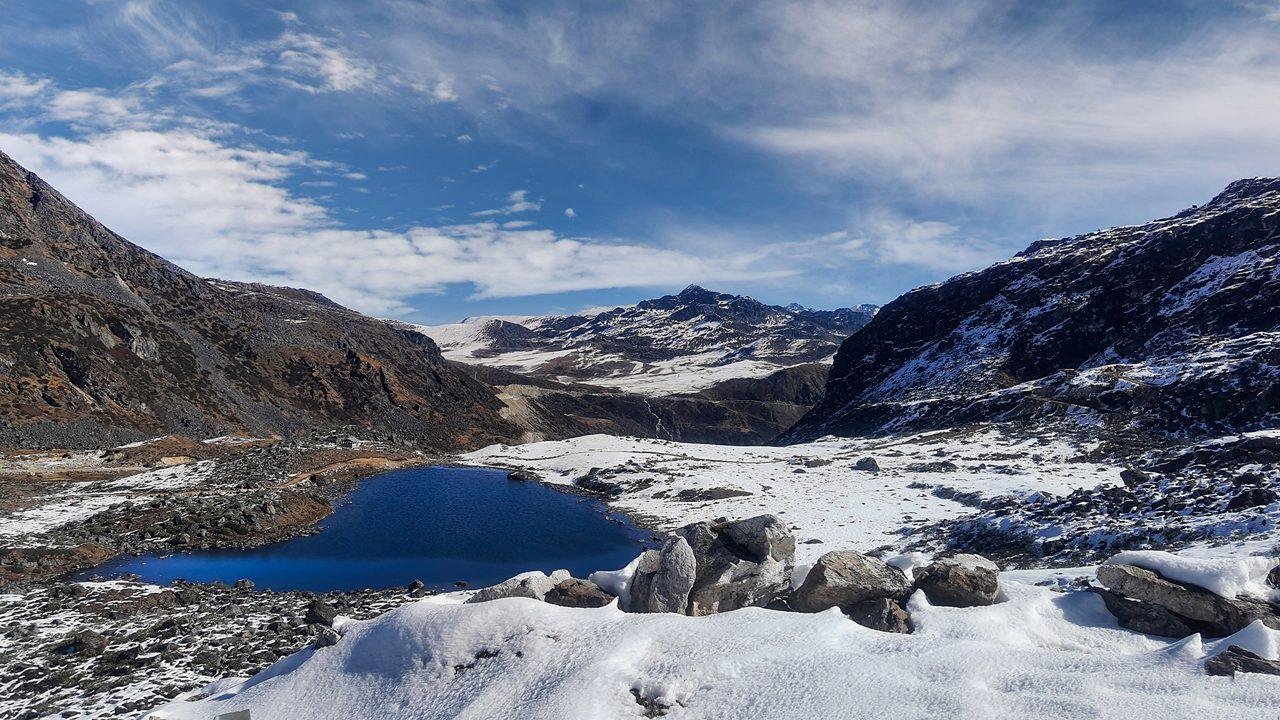
Bum La Pass, located on the India–China border in Arunachal Pradesh, is significant for its strategic importance, its role in the 1962 India–China War and the presence of the Indian Army.
About the Pass
- Location: High-altitude mountain pass near Tawang, Arunachal Pradesh, in the Eastern Himalayas.
- Altitude: About 4,633 metres above sea level.
- Border: Located along the India–China border, near the LAC (Line of Actual Control).
- Accessibility: Open to Indian tourists with special permission from the authorities.
- Strategic Importance: Key for border surveillance, military readiness, and India–China border management.
Historical Significance
- 1962 India–China War: The Bum La–Tawang sector witnessed major military action during the war.
- Subedar Joginder Singh: Showed great bravery defending a position near Tongpen La in the Bum La sector; posthumously awarded the PVC (Param Vir Chakra).
- Dalai Lama’s Arrival (1959): Linked to the 14th Dalai Lama’s entry into India from Tibet through the Khenzimane–Chuthangmu route in the Tawang region.
- BPM (Border Personnel Meeting) Point: Official meeting point where the Indian Army and China’s PLA (People’s Liberation Army) hold talks to resolve local border issues and maintain communication.
FAQs
Q1. Where is Bum La Pass located?
Ans. Near Tawang in Arunachal Pradesh, along the India–China border in the Eastern Himalayas.
Q2. What is the altitude of Bum La Pass?
Ans. Approximately 4,633 metres (15,200 feet) above sea level.
Q3. How is Bum La Pass associated with the Dalai Lama?
Ans. It is associated with the 14th Dalai Lama’s escape from Tibet in 1959; he entered India through the Khenzimane–Chuthangmu route in the Tawang region.