Context
Heavy rainfall in Nepal has caused the Bagmati River to swell, raising flood concerns in low-lying areas of North Bihar.
About the Bagmati River
- Origin: Bagdwar in the Shivapuri Hills, north of Kathmandu, Nepal.
- Course: Flows through Kathmandu Valley, passing Kathmandu and Patan (Lalitpur), then crosses the Siwalik and Terai regions before entering Bihar, India.
- Length: About 360 km.
- Hydrology: Fed mainly by springs, monsoon rainfall and tributaries.
- Basin: Extends across Nepal and Bihar, covering parts of Nepal’s Bagmati and Madhesh Provinces. It lies between the Gandak Basin in the west and Kosi Basin in the east.
- Physiography: The basin spans three zones—Mountain, Siwalik and Terai.
- Downstream: In Bihar, the river ultimately joins the Burhi Gandak, becoming part of the wider Ganga drainage system.
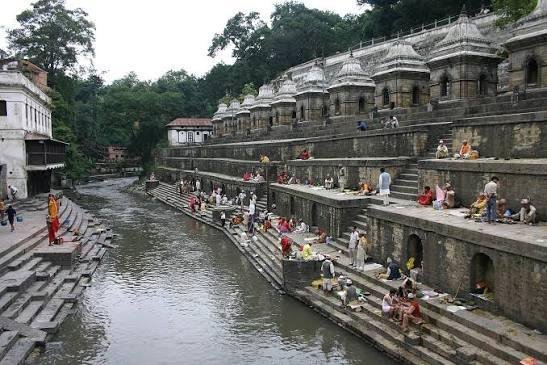
- Cultural significance: Considered sacred in Hinduism and Buddhism; Pashupatinath Temple (a UNESCO World Heritage Site) and Gokarneshwor Temple are located along its banks.
FAQs
Q1. Where does the Bagmati River originate?
Ans: It originates at Bagdwar in the Shivapuri Hills, north of Kathmandu, Nepal.
Q2. Which countries does the Bagmati River flow through?
Ans: It flows through Nepal and India, entering Bihar after crossing the Terai region of Nepal.
Q3. Which physiographic regions are covered by the Bagmati Basin?
Ans: The basin crosses the Mountain, Siwalik and Terai regions.
Q4. Which important religious sites are located along the Bagmati River?
Ans: The Pashupatinath Temple, a UNESCO World Heritage Site, and Gokarneshwor Temple are important religious sites along the Bagmati River in Kathmandu Valley.