Context
Tribal communities in Bhimpur, Madhya Pradesh, are increasingly replacing traditionally extracted Mahua oil with commercial oils, raising concerns over the loss of indigenous knowledge, traditional livelihoods and cultural practices.
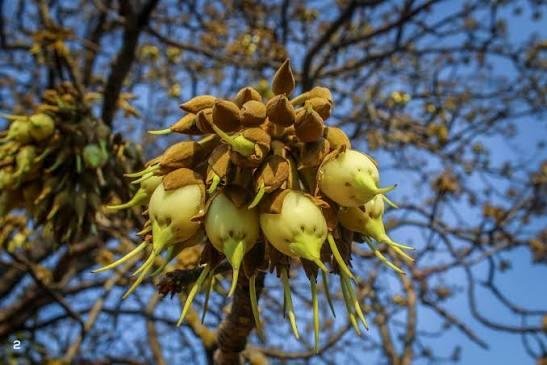
About Mahua Tree
- Scientific Name & Family: Madhuca longifolia; belongs to family Sapotaceae.
- Physical Traits: Medium-sized deciduous tree (sheds leaves seasonally), growing 16–20 m tall and able to tolerate dry conditions.
- Distribution: Found across central, eastern, and peninsular India, mainly in Madhya Pradesh, Chhattisgarh, Jharkhand, Odisha, Bihar, Maharashtra, and Gujarat.
- Habitat: Thrives in tropical dry deciduous forests.
- Cultural Title: Called the ‘Tree of Life’ by tribal communities for its food, income, and ritual value.
Economic, Cultural & Livelihood Importance
- MFP (Minor Forest Produce): Flowers and seeds give seasonal earnings, especially to tribal women.
- Food & Traditional Drinks: Sugar-rich flowers are eaten fresh or dried and used in food items and traditional fermented drinks.
- Seed Oil & Uses: Mahua seed oil is used for cooking (after processing), soap making, and traditional medicine.
- Rituals & Customs: Used in religious ceremonies, rituals, and funeral rites.
- Value Addition: Local processing and direct selling boost tribal earnings and cut reliance on middlemen (intermediaries).
Ecological Significance
- Bat Pollination: Fragrant, night-blooming flowers draw bats, which help pollinate the tree.
- Forest Food Web: Flowers and fruits feed sloth bears, bats, and other wild animals.
- Dryland & Agroforestry Fit: Drought tolerance supports agroforestry (growing trees with crops/livestock) and restoring dryland ecosystems.
Government Support for Mahua Livelihoods
- TRIFED (Tribal Cooperative Marketing Development Federation of India): Works under the Ministry of Tribal Affairs to support value addition and marketing of tribal forest products.
- MSP (Minimum Support Price) for MFP: Covers Mahua flowers and seeds to give tribal gatherers fair and steady prices.
- Van Dhan Vikas Yojana: Encourages tribal enterprise through group processing, value addition, and market links.
- Forest Rights Act, 2006: Recognises eligible forest dwellers’ rights to own, collect, use, and sell traditional minor forest produce.
FAQs
Q1. In which type of forest is Mahua predominantly found?
Ans. Tropical dry deciduous forests, particularly in central and eastern India.
Q2. Why is Mahua known as the ‘Tree of Life’?
Ans. It supports tribal nutrition, livelihoods, traditional medicine and cultural practices.
Q3. Which animals act as important pollinators of Mahua?
Ans. Bats, attracted by its fragrant, night-blooming flowers.