Context
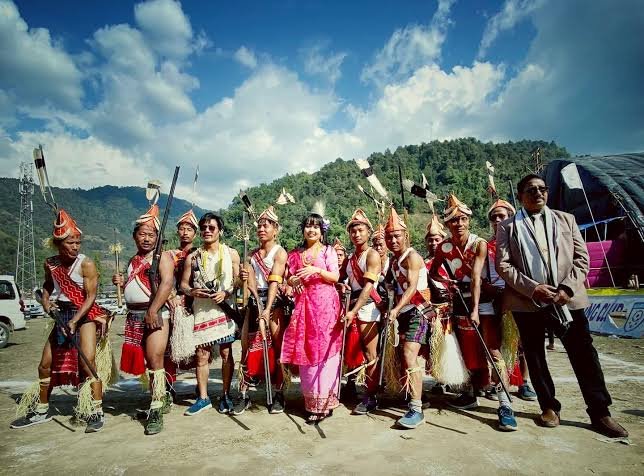
The Nocte community of Arunachal Pradesh recently celebrated the 58th Central Chalo Loku Festival at Khonsa, Tirap district, marking the end of the agricultural harvest and beginning of a new farming cycle.
About Nocte Tribe
- Location: Indigenous Scheduled Tribe (ST) of Arunachal Pradesh, mainly living in the Patkai Hills of Tirap district.
- Origin & Cultural Links: Shares cultural ties with the Konyak Naga community; oral history traces migration from Myanmar’s Hukawng Valley.
- Language: Speaks Nocte, part of the Tibeto-Burman branch of the Sino-Tibetan language family.
- Religion: Follows indigenous spiritual traditions, alongside sections practising Vaishnavism and Christianity.
Social Structure & Traditional Governance
- Social Organisation: Follows a patrilineal system (lineage traced through the father) with clan-based identity and clan exogamy (ban on marriage within the same clan).
- Chieftainship System: Villages are led by a hereditary chief called Lowang.
- Social Divisions: The chief’s royal lineage is called Lowang Jat, while commoners belong to Sana Jat.
Livelihood & Economy
- Core Occupations: Relies on agriculture, Jhum (shifting cultivation), hunting, forest gathering, and fishing.
- Farming Transition: Traditionally practises Jhum cultivation, though many households now follow settled and wet-rice farming.
- Major Crops: Paddy, millet, tapioca, arum, and pulses.
- Allied Income: Making bamboo and cane handicrafts provides extra household income.
Major Festivals
1. Chalo Loku (Principal Harvest Festival):
- Timing & Meaning: Celebrated in October–November after the paddy harvest; Loku means driving away the old farming season.
- Rituals & Schedule: Features traditional dances, community feasts, and prayers for prosperity across three main days — Famlam, Chamkatja, and Thanglangja.
2. Ronghuan: Another key agricultural festival celebrated by the Nocte and neighbouring Tutsa communities.
FAQs
Q1. What is the traditional village chief of the Nocte community called?
Ans. Lowang, with the chief’s lineage called Lowang Jat and commoners Sana Jat.
Q2. What are the three traditional days of Chalo Loku?
Ans. Famlam, Chamkatja and Thanglangja.
Q3. Which language is spoken by the Nocte tribe?
Ans. Nocte, belonging to the Tibeto-Burman branch of the Sino-Tibetan language family.