Context
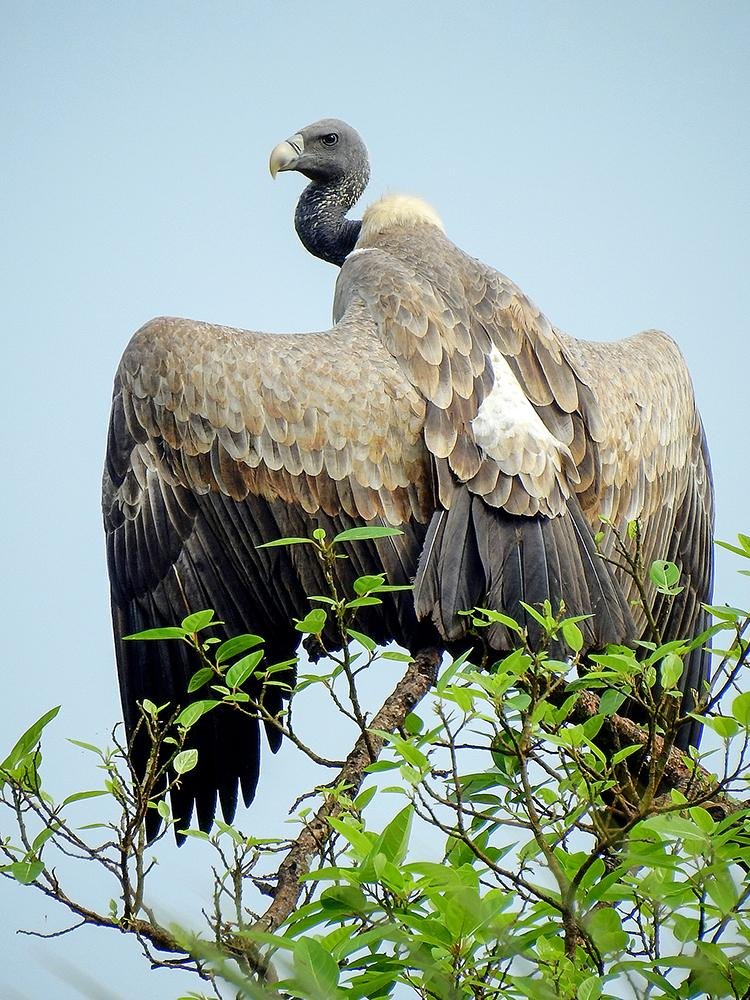
A seven-year-old female Indian vulture, released at Melghat Tiger Reserve, Maharashtra, recently reached Ausa taluka in Latur district, covering a cumulative 10,767 km. Its movement highlights the importance of post-release monitoring of captive-bred vultures.
About Indian Vulture
- Scientific & Common Name: Gyps indicus; also known as the Long-billed Vulture.
- Family: Accipitridae (which includes eagles, hawks, and Old-World vultures).
- Distribution: Found across the Indian subcontinent, mainly in India, Pakistan, and Nepal.
- Habitat & Nesting: Lives in grasslands, savannas, farm landscapes, and near human settlements; typically nests on rocky cliffs.
- Physical Features & Diet: Has a bald head, long neck, yellowish beak, and broad wings built for soaring; acts as a scavenger feeding mainly on dead animal carcasses.
- Protection Status: Listed as Critically Endangered (CR) on the IUCN Red List and under Appendix II of CITES (Convention on International Trade in Endangered Species of Wild Fauna and Flora).
Ecological Importance
- Natural Cleanup & Nutrient Cycling: Clears dead animal carcasses quickly and returns nutrients to the soil and ecosystem.
- Disease Prevention: Stops spread of infectious diseases from rotting carcasses.
- Controlling Feral Dog Populations: Limits excess carcass food for feral dogs, indirectly reducing rabies and livestock-attack risks.
Major Threats
- Veterinary Diclofenac Poisoning: Eating carcasses treated with diclofenac triggers kidney failure and visceral gout (harmful uric acid buildup in internal organs).
- Other Toxic Veterinary Drugs: Continued misuse of unsafe painkillers (such as aceclofenac, ketoprofen, and nimesulide) in livestock treatment.
- Habitat Loss & Food Scarcity: Decline of safe nesting cliffs, open foraging grounds, and traditional carcass disposal sites.
- Infrastructure & Accidental Hazards: Collisions and electrocution from power lines, alongside accidental poisoning of carcasses.
Conservation Measures in India
- Diclofenac Ban (2006): Government banned veterinary diclofenac and promoted meloxicam (and tolfenamic acid) as vulture-safe alternatives.
- Action Plan for Vulture Conservation (2020–2025): Launched by the MoEFCC (Ministry of Environment, Forest and Climate Change) to expand drug testing, rescue, and recovery efforts.
- VCBCs (Vulture Conservation Breeding Centres): Focus on captive breeding and safe release of vultures back into the wild.
- VSZs (Vulture Safe Zones): Create drug-free habitats and safe feeding sites across key vulture landscapes.
FAQs
Q1. What is the conservation status of the Indian vulture?
Ans. Critically Endangered (IUCN Red List) and listed under CITES Appendix II.
Q2. Which veterinary drug caused a drastic decline in India’s vulture population?
Ans. Diclofenac, which causes kidney failure and visceral gout in vultures feeding on contaminated carcasses.
Q3. What is the ecological role of vultures?
Ans. Act as natural scavengers, removing animal carcasses, supporting nutrient recycling and reducing disease risks.
Q4. What are Vulture Safe Zones?
Ans. Conservation areas providing safe habitats and feeding grounds free from harmful veterinary drugs.