Context
- The Digital News Publishers Association (DNPA) challenged provisions of the Digital Personal Data Protection Act, 2023, and the Digital Personal Data Protection Rules, 2025, before the Supreme Court, arguing that the absence of an explicit exemption for journalism could hinder investigations, delay reporting, and endanger confidential sources.
- Both sides protect core democratic values: the fundamental right to privacy rooted in human dignity and personal autonomy affirmed in K.S. Puttaswamy v. Union of India (2017), alongside freedom of the press and the citizens’ right to know under Article 19(1)(a) of the Constitution.
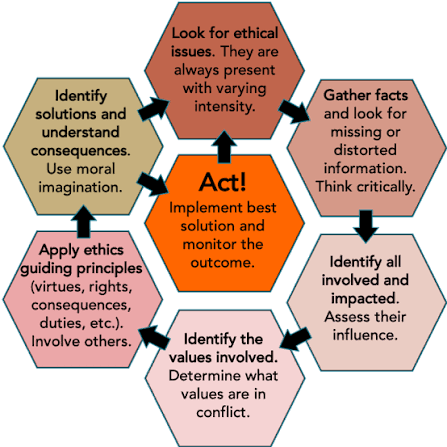
- In a situation where a journalist obtains public hospital records showing false billing for unprovided treatments alongside patient names and medical diagnoses, the central ethical challenge is ensuring public accountability without violating patient confidentiality.
Ethical Dilemmas
1. Individual Privacy vs. Democratic Accountability
- Reasonable Expectation of Privacy: Citizens share sensitive health or personal information with doctors and public authorities for specific purposes, expecting confidentiality and respect for personal autonomy.
- Probity in Public Life: Personal details become relevant only when linked to public decisions—for example, a procurement officer awarding a contract to a relative’s company (conflict of interest), whereas a relative’s medical history has no connection to official duty.
- Ethical Concern: Following Immanuel Kant’s principle of respect for persons, individuals must be treated as ends in themselves and never merely used to make a news story more dramatic.
2. Informed Consent vs. Duty to Investigate Wrongdoing
- Respect for Individual Agency: Patients dependent on a public hospital for ongoing treatment may struggle to refuse an interview, making genuine informed consent and clarity about consequences essential.
- Investigative Independence and Natural Justice: Requiring a suspected official’s permission to investigate would block scrutiny, yet procedural fairness still requires giving the accused a fair opportunity to respond to verified facts.
- Ethical Concern: An editor must treat three steps separately: inspecting records to verify fraud, approaching affected persons, and publishing identifying details.
3. Public Interest vs. Public Curiosity
- Social Relevance: Information serves public interest when it exposes corruption, misuse of public funds, institutional failure, or safety threats—unlike sensational reporting on a public figure’s private family dispute.
- Constitutional Precedent: In the Electoral Bonds judgment (2024), the Supreme Court weighed donor privacy against voters’ right to information, holding that knowing who funds political parties helps citizens assess possible influence over public policy.
- Ethical Concern: Before publishing private details, decision-makers must ask what citizens can judge more accurately about governance, rejecting disclosures driven merely by curiosity or higher readership.
4. Collective Welfare vs. Harm to Vulnerable Individuals
- Utilitarian Perspective: Exposing fake hospital bills can stop the diversion of public funds and restore treatment for eligible citizens, but revealing patient diagnoses can cause social stigma, discrimination, or job loss.
- Distributive Justice: Broad public benefits can unfairly burden a single vulnerable patient; even if names are removed, combining a rare illness, village name, and admission date can still identify a person locally.
- Ethical Concern: Guided by empathy and non-maleficence (the duty to avoid preventable harm), if audited figures and masked records prove the fraud, naming patients adds harm without strengthening accountability.
5. Source Confidentiality vs. Fairness to the Accused
- Moral Courage and Whistleblower Protection: A junior accounts clerk exposing false billing risks workplace retaliation; revealing the source’s identity discourages future reporting of misconduct.
- Objectivity and Evidentiary Rigour: Financial discrepancies may result from delayed entries, duplicate billing, or deliberate fraud, requiring careful verification before making public allegations.
- Ethical Concern: Under Aristotle’s virtue ethics, ethical action balances moral courage to pursue the truth, restraint against premature accusation, and practical wisdom to present verified facts and explanations fairly.
Course of Action
1. Apply a Public-Interest and Proportionality Test
- Identify the Public Purpose: Clearly define the governance failure under examination, such as claiming public money for unrendered medical care.
- Examine Necessity: Separate records needed for internal verification from details strictly needed by the public (such as billing amounts, dates, and patterns of discrepancy rather than patient names).
- Choose the Least Intrusive Option: Prefer masked extracts, summary figures, or independent audit findings over publishing full personal records, recording why the chosen method adequately informs citizens.
2. Use Transparency to Empower Affected Citizens
- Learn from Participatory Social Audits: Follow the Mazdoor Kisan Shakti Sangathan (MKSS) jan sunwai (public hearing) model in Rajasthan, where comparing official wage rolls with workers’ testimony turned transparency into practical accountability.
- Match Disclosure to the Audience: Practise data minimisation by giving patients their own records to challenge false entries, giving auditors access to necessary claim files, and giving the public verified totals and masked samples.
- Provide a Route to Remedy: Create a confidential grievance mechanism so affected patients can dispute false entries and reclaim rightful healthcare benefits.
3. Exercise Reasoned Discretion in Right to Information (RTI) Decisions
- Weigh Competing Interests: Under the Right to Information Act, 2005 (including Section 8(1)(j) on personal information and Section 8(2) on public-interest override), officials must balance demonstrable public benefit against likely harm to privacy.
- Apply Severability: Use Section 10 of the Right to Information Act to mask personal identifiers and bank details while releasing relevant public expenditure records.
- Give Reasoned Orders: Clearly explain what information is released, what is withheld, and why, ensuring administrative accountability to both the applicant and the person concerned.
4. Protect Sources and Practise Fair Reporting
- Verify Independently: Cross-check whistleblower documents against payment orders, audit reports, and independent records, distinguishing billing errors from proven fraud.
- Offer a Meaningful Right of Reply: Share specific, verified discrepancies with the hospital and concerned officials for response without revealing details that could expose the source.
- Ensure Post-Publication Accountability: Correct errors promptly and prominently, and update original reports if subsequent inquiries clear a named official.
5. Build Institutional Safeguards for Responsible Journalism
- Protect Good-Faith Investigations: Frame legal safeguards that protect genuine public-interest reporting and source confidentiality while requiring responsible handling of unrelated personal data.
- Maintain Editorial Accountability: Document the evidence verified, foreseeable harms, alternatives considered, and reasons for any identification in high-risk stories.
- Practise Ethical Leadership Under Pressure: Resist commercial pressure for sensationalism and political or administrative pressure to suppress audits by anchoring decisions in integrity, objectivity, and constitutional values.
Conclusion
Balancing privacy and the public’s right to know is not a simple choice between total secrecy and unchecked exposure, but an exercise in constitutional morality. Responsible journalism and ethical administration require both the moral courage to expose misuse of public power and the restraint to protect innocent citizens, ensuring that public accountability never comes at the cost of human dignity.