Context
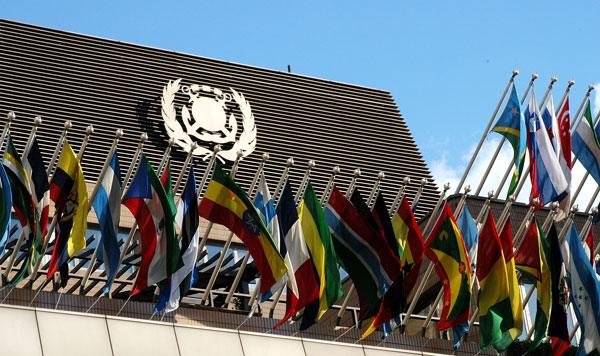
The International Maritime Organization (IMO) Council has stressed the need to protect the safety, security, health and welfare of seafarers amid ongoing threats to global shipping and maritime trade.
About the Organization
- Status: A UN (United Nations) specialised agency responsible for maritime safety, shipping security, and preventing marine pollution from ships.
- Mandate: Develops global rules for safe, secure, efficient, and eco-friendly shipping.
- Establishment & Evolution: Created via the IMO Convention (1948) as IMCO (Inter-Governmental Maritime Consultative Organization), became a UN specialised agency in 1959, and was renamed IMO in 1982.
- Membership: 176 Member States; India has been a member since 1959.
- Headquarters & Funding: Located in London, United Kingdom; funded mainly by Member State contributions and voluntary funds.
Organisational Structure
- Assembly: Highest governing body comprising all Member States; meets every two years to approve the budget, work plan, and elect the Council.
- Council: A 40-member executive body that supervises IMO work between Assembly sessions.
- Five Main Committees:
- MSC (Maritime Safety Committee): Maritime safety rules.
- MEPC (Marine Environment Protection Committee): Prevention of marine pollution.
- Legal Committee: Legal matters related to shipping.
- Technical Cooperation Committee: Technical help to Member States.
- Facilitation Committee: Simplification of international maritime traffic.
Major International Conventions
- SOLAS (International Convention for the Safety of Life at Sea), 1974: Sets minimum safety standards for ships and life at sea.
- MARPOL (International Convention for the Prevention of Pollution from Ships), 1973/78: Prevents marine pollution from ships.
- STCW (International Convention on Standards of Training, Certification and Watchkeeping for Seafarers), 1978: Sets international training and certification standards for seafarers.
FAQs
Q1. What is the primary function of the IMO?
Ans. To develop international standards for shipping safety, maritime security and prevention of pollution from ships.
Q2. When did India become a member of the IMO?
Ans. 1959.
Q3. Where is the headquarters of the IMO?
Ans. London, United Kingdom.
Q4. Which IMO convention deals with marine pollution?
Ans. MARPOL is the principal international convention aimed at preventing pollution of the marine environment from ships.