Context
Residents of Paradeshappana Mutt, a village within Bhadra Wildlife Sanctuary, Karnataka, have expressed concern over relocation plans, citing their strong attachment to their ancestral land amid wildlife conservation efforts.
About the Sanctuary
- Location: Located in Chikkamagaluru and Shivamogga districts of Karnataka, in the Western Ghats.
- Establishment: Declared Jagara Valley Wildlife Sanctuary in 1951 and renamed Bhadra Wildlife Sanctuary in 1974.
- Tiger Reserve: Declared a Tiger Reserve in 1998 under Project Tiger.
- Area: Its core area covers about 492 sq km.
- River System: Named after the Bhadra River, a tributary of the Tungabhadra in the Krishna basin.
- Topography & Vegetation: Features forested hills, valleys, and streams with tropical moist deciduous, dry deciduous, and semi-evergreen forests.
Flora and Fauna
- Flora: Teak, rosewood, bamboo, and Terminalia species.
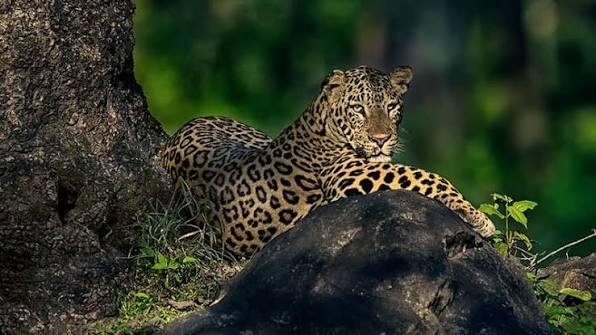
- Carnivores: Tiger, leopard, dhole, and sloth bear.
- Herbivores: Elephant, gaur, sambar, chital, and barking deer.
- Birds: Hornbills, woodpeckers, kingfishers, and forest raptors.
Conservation and Human Settlement Issues
- Village Relocation: Over 400 families were voluntarily relocated outside the sanctuary in the early 2000s.
- Basic Amenities: Around 30 families in Paradeshappana Mutt reportedly lack proper roads, schools, healthcare, and grid electricity.
- Conservation–Livelihood Balance: Conservation efforts must protect wildlife habitats while ensuring basic needs, rights, and participation of forest-dependent communities.
FAQs
Q1. Where is Bhadra Wildlife Sanctuary located?
Ans. Chikkamagaluru and Shivamogga districts of Karnataka, in the Western Ghats.
Q2. Which river flows through Bhadra Wildlife Sanctuary?
Ans. Bhadra River, a tributary of the Tungabhadra River.
Q3. What types of forests occur in Bhadra Wildlife Sanctuary?
Ans. Tropical moist deciduous, dry deciduous, semi-evergreen forests and patches of shola vegetation.