Context
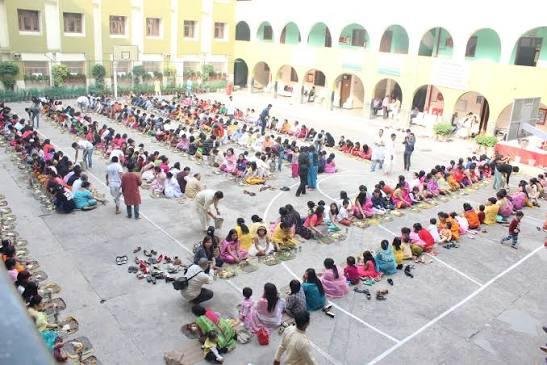
Manipur celebrated Ningol Chakouba on 11 November 2026, bringing married daughters together with their parental families through traditional feasts and gift exchanges. The state’s Fisheries Department organised its Annual Fish Fair-cum-Fish Crop Competition ahead of the celebrations.
About Ningol Chakouba Festival
- Origin: Ningol Chakouba is a traditional festival of Manipur, particularly associated with the Meitei community, celebrating relationships between married daughters and their parental families.
- Meaning: Ningol refers to a married daughter or woman, while Chakouba means an invitation to a feast.
- Celebration date: It is observed annually on the second day of Hiyangei in the traditional Meitei calendar, generally falling in October–November.
- Central purpose: The festival maintains family connections after marriage, strengthening relationships between daughters, brothers and parents.
Major Traditions and Celebrations
- Formal invitation: Brothers invite married sisters to their parental homes for a family reunion.
- Traditional feast: Families prepare special meals, particularly fish curry, reflecting Manipuri food traditions.
- Exchange of gifts: Sisters bring fruits and sweets, while brothers offer gifts and receive blessings.
- Traditional attire: Women wear traditional Manipuri clothing, reflecting regional cultural identity.
- Community participation: Collective celebrations organised by social groups encourage wider participation.
Historical Background of Ningol Chakouba
- Traditional origin: According to Manipuri tradition, Queen Laisana invited her brother Poireiton for an annual feast during the reign of King Nongda Lairen Pakhangba.
- Piba Chakouba: The earlier custom involved sisters inviting their brothers for a feast.
- Historical transformation: In the 19th century, King Chandrakirti Singh reportedly began inviting his sisters to the palace.
- Evolution: The practice subsequently developed into the present tradition of married daughters visiting their parental homes.
Cultural Significance of Ningol Chakouba
- Women’s familial identity: Recognises married daughters’ continuing ties with their parental families.
- Intergenerational bonding: Strengthens relationships and encourages the transmission of family values.
- Cultural preservation: Sustains traditional customs and reinforces Meitei cultural identity.
- Local economy: Festive demand for fish, clothing and gifts supports local traders and producers.
FAQs
Q1. In which state is Ningol Chakouba celebrated?
Manipur, particularly among the Meitei community.
Q2. When is Ningol Chakouba celebrated?
On the second day of Hiyangei in the traditional Meitei calendar.
Q3. What is the central tradition of Ningol Chakouba?
Married daughters visit their parental homes for a traditional feast and family reunion.
Q4. Which ruler is traditionally associated with transforming the festival?
King Chandrakirti Singh, during the 19th century.
Q5. What was the earlier form of Ningol Chakouba called?
Piba Chakouba, traditionally associated with sisters inviting their brothers.