
Anaemia Burden – Iron Alone Is No Solution
Context
NFHS-5 found anaemia in 57.2% of women aged 15–49 years and 67.1% of children aged 6–59 months, showing the scale of India’s anaemia burden. While Double-Fortified Salt (DFS) can improve iron status, anaemia in India has multiple nutritional, infectious and genetic causes.
Anaemia is a Multi-Causal Public-Health Problem
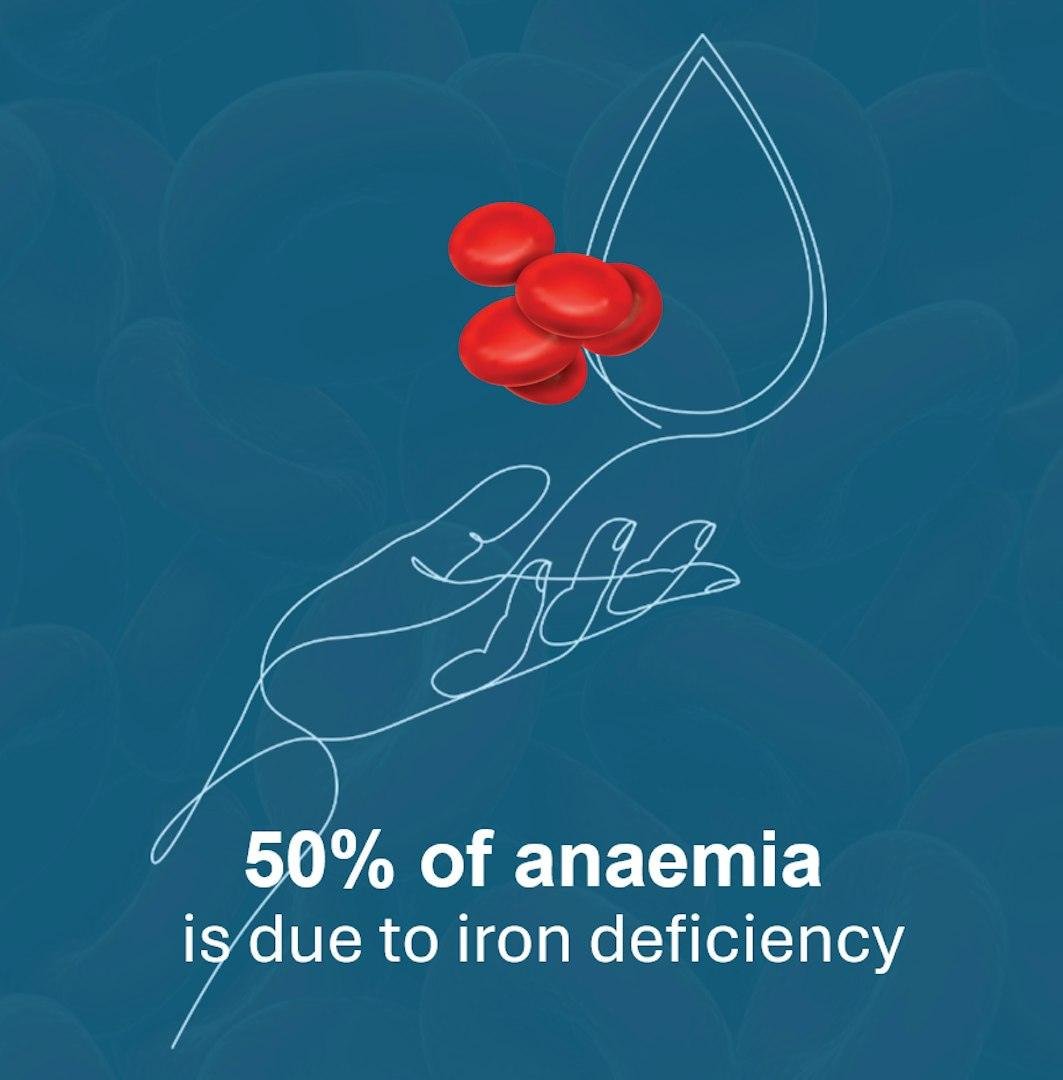
- Iron deficiency is only one cause: Anaemia can also arise from vitamin B12 and folate deficiency, infections, inflammation and haemoglobinopathies; therefore, iron alone cannot address the entire burden.
- Population risks differ: Pregnancy, menstrual blood loss, malaria, hookworm, undernutrition and inherited blood disorders affect groups differently, reducing the effectiveness of a one-size-fits-all intervention.
- Policy implication: Low haemoglobin should not automatically be treated as iron deficiency; identifying the underlying cause improves targeting and prevents ineffective treatment.
Limits of an Iron-Only Strategy
- Salt-reduction challenge: DFS uses salt as a delivery vehicle, while WHO recommends less than 5 g of salt per day; fortification must therefore remain compatible with sodium-reduction goals.
- Infection-sensitive effects: Trials in malaria- and pathogen-heavy settings show that indiscriminate iron delivery may produce adverse outcomes, making infection burden and formulation important programme considerations.
- Iron-overload risk: Conditions such as transfusion-dependent thalassaemia can lead to excess iron accumulation, showing that iron requirements are not uniform across the population.
- Absorption constraint: Phytates, inflammation and infections can reduce non-haem iron absorption, meaning higher iron intake does not always translate into better iron status.
Where Double-Fortified Salt Can Help
- Evidence of benefit: DFS can improve haemoglobin and reduce iron-deficiency anaemia, making it useful where iron deficiency is common.
- Wide delivery potential: Salt is regularly consumed and distributed through established supply chains, allowing micronutrients to reach large populations at relatively low behavioural cost.
- Limited role: DFS addresses iron deficiency, not all forms of anaemia; therefore, it should complement rather than replace diagnosis, supplementation and disease-control measures.
A Better Strategy for India
- Targeted diagnosis: Use haemoglobin with ferritin and inflammation markers, where feasible, to distinguish iron deficiency from other causes.
- Integrated health action: Combine iron-folic acid supplementation with deworming, malaria control, infection treatment and sanitation, addressing non-nutritional causes simultaneously.
- Dietary diversification: Improve access to foods rich in iron, vitamin B12, folate, protein and vitamin A, reducing dependence on a single fortified product.
- Context-specific fortification: International experience shows that fortification works best when adapted to local diets and combined with sustained public-health delivery.
FAQs
Q1. What is Double-Fortified Salt?
Salt fortified with iodine and iron.
Q2. Is iron deficiency the only cause of anaemia?
No. Anaemia also results from vitamin deficiencies, infections, inflammation and
haemoglobinopathies.
Q3. Is DFS useful?
Yes. It can reduce iron-deficiency anaemia, but it cannot treat every cause of anaemia.
Q4. Why is an iron-only strategy limited?
Because iron needs, absorption and health risks vary across population groups.
Q5. What should India prioritise?
A multi-causal strategy combining diagnosis, supplementation, disease control, dietary diversity and appropriate fortification.