Context
A recent study has reported that people with psoriasis may have an increased risk of developing cataracts and undergoing cataract surgery. The findings highlight the importance of understanding psoriasis as a condition that can have health implications beyond the skin.
About Psoriasis
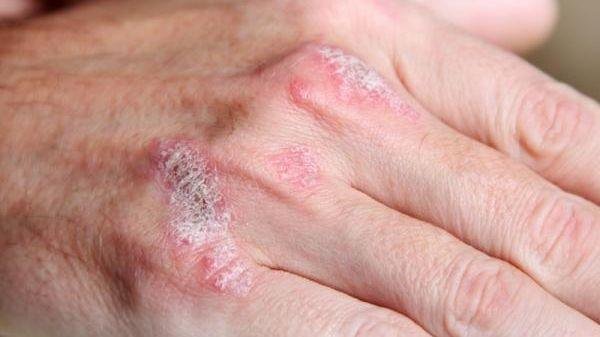
- Psoriasis is a chronic autoimmune condition in which an overactive immune system accelerates the growth of skin cells.
- Effect on skin: Skin cells accumulate rapidly on the surface instead of shedding normally, resulting in thick, scaly patches.
- Commonly affected areas: Knees, elbows, trunk and scalp.
- Nature: It is a non-contagious condition that may cause itching, burning, pain and discomfort.
- Course: Symptoms often occur in cycles, with flare-ups lasting weeks or months, followed by periods of improvement.
Causes and Risk Factors
The exact cause of psoriasis is not fully understood. It is associated with a combination of genetic, immune-system and environmental factors.
- Genetic factors: A strong family link exists, although the pattern of inheritance is complex.
- Immune-system dysfunction: An overactive immune response accelerates skin-cell production and causes inflammation.
- Environmental triggers: Certain external factors can trigger or worsen flare-ups.
Common Triggers
- Emotional stress: Psychological stress can aggravate symptoms.
- Infections: Certain infections, particularly streptococcal infections, may trigger flare-ups.
- Skin injuries: Cuts, scrapes and surgical wounds can lead to new patches.
- Medications: Certain drugs, including lithium and beta-blockers, may worsen psoriasis.
- Weather changes: Changes in temperature and weather conditions can trigger symptoms.
Symptoms and Associated Conditions
- Skin patches: Thick, red patches covered with silvery-white scales.
- Itching and burning: Affected areas may itch, burn or become painful.
- Dry and cracked skin: Severe dryness can cause skin cracks and bleeding.
- Nail changes: Nails may become thick, ridged or develop small pits.
- Sleep disturbances: Itching and discomfort can affect sleep quality and concentration.
- Psoriatic arthritis: Some patients develop joint inflammation, causing stiffness, swelling and pain, particularly in the joints, neck, back or heels.
Recent Study: Increased Risk of Cataracts
- Study findings: A study published in the Journal of Dermatology on 26 October 2026 found an association between psoriasis and increased risks of cataracts and cataract surgery.
- Study sample: Researchers compared 61,622 patients with psoriasis with an equal number of individuals without psoriasis.
- Increased risk: Patients with psoriasis showed a 32% higher adjusted risk of cataracts and a 41% higher adjusted risk of cataract surgery.
- Treatment-related differences:
- Phototherapy using ultraviolet light was associated with higher odds of cataracts.
- Systemic treatments, including biologics and Janus kinase inhibitors, were associated with lower odds of cataracts.
5. Significance: The findings highlight the importance of considering eye health while managing chronic inflammatory conditions.
Cataract: A cataract is the clouding of the eye’s natural lens, resulting in blurred vision and, in severe cases, vision loss.
Treatment and Management
Psoriasis has no permanent cure, but treatments can control symptoms, reduce inflammation and prevent flare-ups.
- Topical treatments: Steroid creams, vitamin D3 ointments and retinoid creams help reduce inflammation and manage skin lesions.
- Moisturisers: Help manage dryness, itching and skin cracking.
- Medications: Drugs such as anthralin help slow excessive skin-cell production.
- Medicated products: Special lotions and shampoos help manage affected skin and scalp.
- Phototherapy: Controlled exposure to ultraviolet light can help reduce psoriasis symptoms.
- Systemic treatments: Medicines, including biologics and other immune-modulating drugs, may be used in more severe cases.