Context
Research presented at ASN Kidney Week 2026 examined SGLT2 inhibitor use in adults aged 80 years or above with chronic kidney disease (CKD). The study reported associations with lower mortality, fewer major kidney events and improved cardiovascular outcomes, while also underscoring the need for careful treatment in very old patients.
What Are SGLT2 Inhibitors?
- SGLT2 inhibitors are medicines that block the sodium-glucose cotransporter-2 protein in the kidneys, thereby reducing glucose reabsorption.
- Initially developed for Type 2 diabetes, they are now also used in selected patients with CKD and heart failure, including some without diabetes.
- Common examples include dapagliflozin, empagliflozin, canagliflozin and ertugliflozin.
How Do They Work?
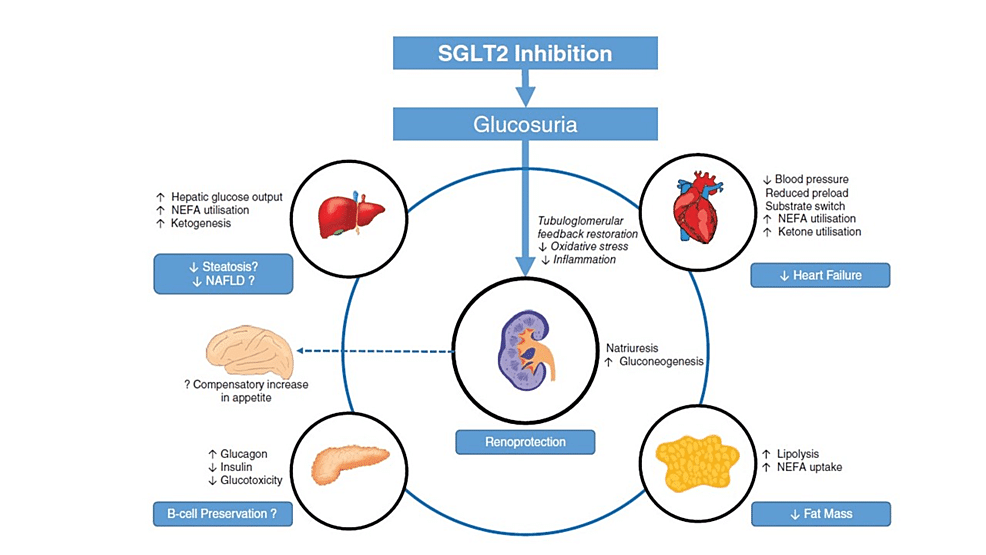
- Normal function: SGLT2 normally reabsorbs much of the glucose filtered by the kidneys back into the bloodstream.
- Drug action: Blocking SGLT2 increases glucose excretion through urine, thereby lowering blood glucose.
- Cardiorenal effect: The drugs also alter kidney filtration and promote mild sodium and fluid loss, contributing to kidney and heart protection beyond glucose control.
Established Benefits
- Kidney protection: SGLT2 inhibitors can slow CKD progression and reduce the risk of major adverse kidney outcomes in appropriate patients.
- Heart-failure benefit: They reduce heart-failure hospitalisation and improve cardiovascular outcomes in several patient groups.
- Beyond diabetes: Benefits in selected patients with CKD or heart failure without diabetes show that their therapeutic role extends beyond blood-sugar control.
2026 Study in Adults Aged 80+
- Real-world evidence: The study used electronic health-record data, providing evidence from very elderly CKD patients who are often underrepresented in randomised trials.
- Mortality benefit: SGLT2 inhibitor use was associated with a lower risk of all-cause mortality over two years.
- Kidney benefit: Treatment was also associated with fewer major adverse kidney events, suggesting continued renal benefit even in advanced age.
- Cardiovascular benefit: The official conference abstract reported a lower risk of major adverse cardiovascular events, indicating that benefits may extend beyond kidney protection.
- Interpretation: Because the study was observational, these findings show association rather than definitive proof of causation.
Major Risks
- Infection risk: Increased glucose in urine can promote genital fungal infections, making this a recognised treatment-related adverse effect.
- Volume depletion: Mild diuretic action can cause dehydration and low blood pressure, especially in frail older adults.
- Metabolic complication: Rare diabetic ketoacidosis may occur, sometimes without markedly high blood glucose.
Precautions
- Frailty assessment: Treatment decisions should consider frailty, comorbidities and fall risk, because adverse effects may have greater consequences in very old patients.
- Kidney and fluid monitoring: Renal function, blood pressure and hydration status should be monitored, particularly after treatment initiation or during acute illness.
- Individualised use: Benefits should be balanced against concurrent medicines, infection risk and overall clinical condition, making patient-specific monitoring essential.
FAQs
Q1. What does SGLT2 stand for?
Sodium-Glucose Cotransporter-2.
Q2. What is the main action of SGLT2 inhibitors?
They reduce kidney glucose reabsorption and increase glucose excretion through urine.
Q3. Are SGLT2 inhibitors used only for diabetes?
No. They are also used in selected patients with CKD and heart failure.
Q4. What did the 2026 study suggest in adults aged 80+?
It found associations with lower mortality and better kidney and cardiovascular outcomes.
Q5. Why is caution needed in very old patients?
Because frailty, comorbidities and altered kidney function can increase the clinical impact of adverse effects.