About the Park
- Location: Located in Kokrajhar district (Bodoland Territorial Region, Assam) along the India–Bhutan border in the eastern Himalayan foothills.
- Status: Designated as Assam’s 6th National Park on World Environment Day (June 5, 2021). The earlier five are Kaziranga, Manas, Nameri, Orang and Dibru-Saikhowa.
- Area & Origin: Covers 422 sq km, carved out of the northern portion of Ripu Reserve Forest.
- Elevation: Ranges from 85 m to 1,042 m.
- Boundaries & Rivers: Bounded by the Sankosh River on the west and Saralbhanga River on the east.
Landscape Significance & Ecology
- Protected Area Integration: Acts as the western buffer of Manas Tiger Reserve; falls within Manas Biosphere Reserve and Chirang-Ripu Elephant Reserve.
- Transboundary Connectivity: Connects directly with Bhutan’s Phibsoo Wildlife Sanctuary and Jigme Singye Wangchuck National Park, creating a continuous transboundary habitat (>2,400 sq km).
- Vegetation Types: Features Moist Sal, semi-evergreen, mixed deciduous forests, savanna, and riverine grasslands.
Biodiversity Profile
- Golden Langur (Trachypithecus geei): Flagship species (and Bodoland mascot); found only in western Assam and Bhutan, listed as Endangered on the IUCN (International Union for Conservation of Nature) Red List. (Chakrashila Wildlife Sanctuary in Assam is another prime habitat).
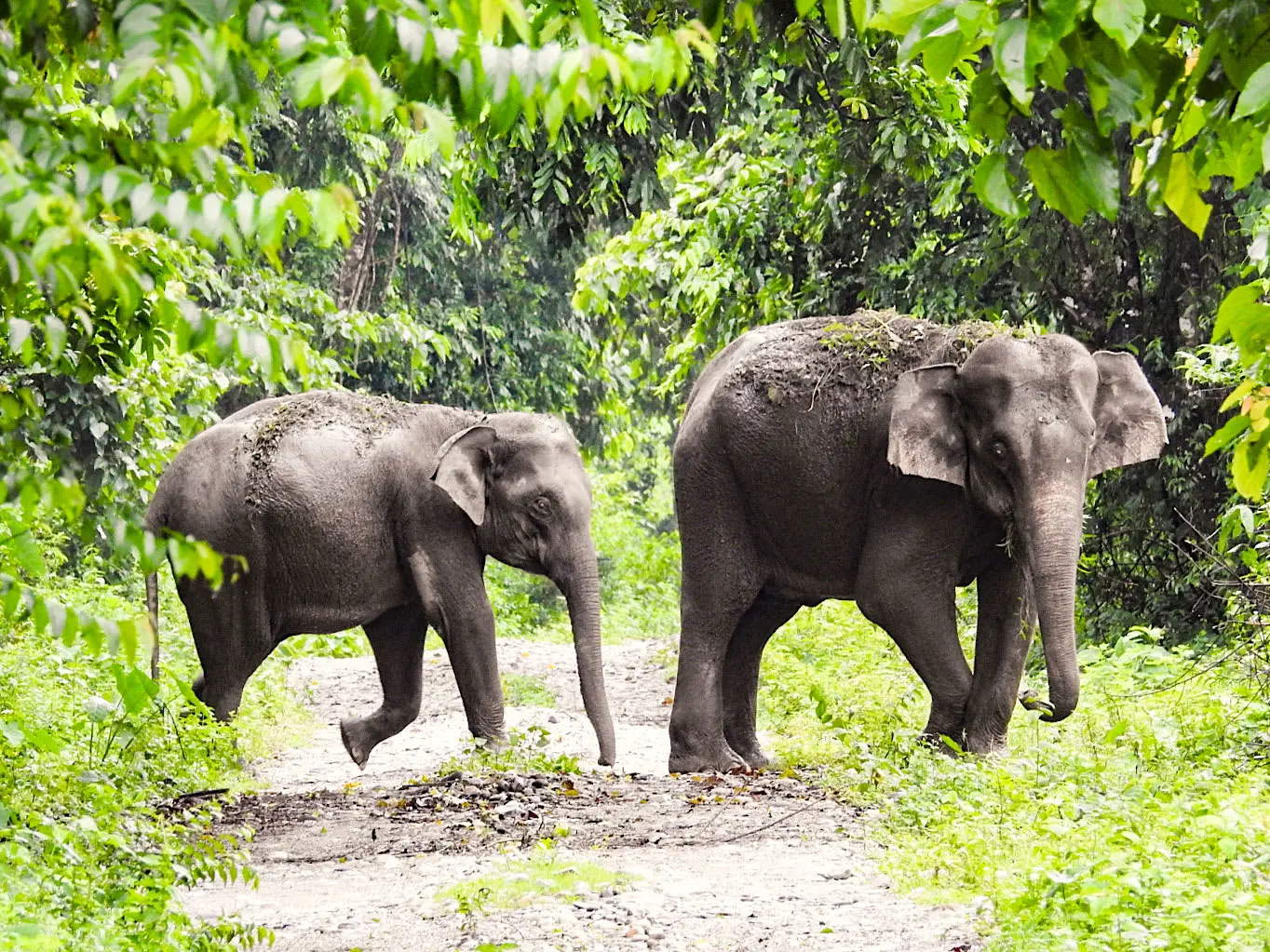
- Other Key Fauna: Supports Asian elephant, Bengal tiger, clouded leopard, gaur, wild water buffalo, Chinese pangolin, and various hornbill species.
FAQs
Q1. Where is Raimona National Park located?
Ans. In Kokrajhar district, Bodoland Territorial Region, western Assam, along the India–Bhutan border.
Q2. Which is Assam’s sixth national park?
Ans. Raimona National Park, declared in June 2021.
Q3. Which flagship species does Raimona protect?
Ans. The golden langur, also the mascot of the Bodoland Territorial Council.
Q4. Which rivers form the park’s boundaries?
Ans. The Sankosh in the west and the Saralbhanga in the east.