Context
Recently, the ICAR–National Soybean Research Institute (ICAR-NSRI), Indore, assessed the yield potential of improved soybean varieties NRC 268 and NRC 270.
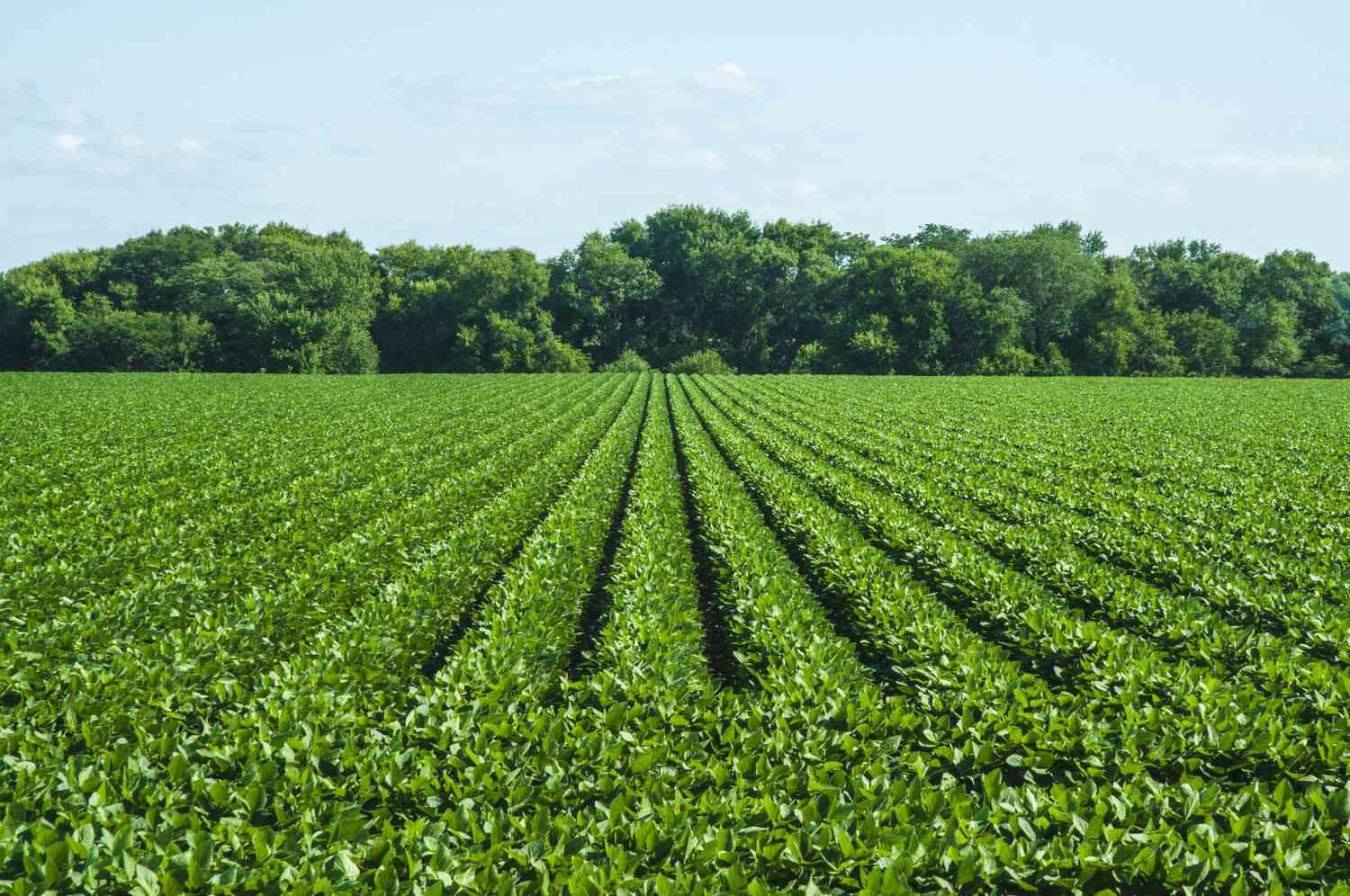
About Soybean
- Scientific Name: Glycine max.
- Family: Fabaceae (pea family).
- Type: Annual legume, also known as the soja bean.
- Agricultural Importance: Soybean is an important oilseed and protein–rich crop. As a legume, it improves soil fertility through nitrogen fixation.
- Cropping Season: Primarily grown during the Kharif season (July–October) in rainfed areas of central and peninsular India.
- Major Soybean-Growing States: Madhya Pradesh, Maharashtra, Rajasthan, Karnataka, Chhattisgarh and Telangana are major soybean-producing states in India.
Climatic and Soil Requirements
- Climate: Warm and moist climate.
- Temperature: Optimum temperature for most varieties is approximately 26.5–30°C.
- Rainfall and Water: Sensitive to water stress, particularly during flowering, pod development and seed filling.
- Soil: Well-drained, fertile loamy soil with a pH of 6.0–7.5.
Frequently Asked Questions (FAQs)
Q1. What is soybean, and what is its scientific name?
Soybean (Glycine max) is an annual legume belonging to the Fabaceae family, valued for its oil content and protein-rich seeds.
Q2. During which season is soybean primarily cultivated in India?
Soybean is primarily grown during the Kharif season (July–October), mainly in rainfed areas of central and peninsular India.
Q3. Which states are the major soybean producers in India?
Major soybean-growing states include Madhya Pradesh, Maharashtra, Rajasthan, Karnataka, Chhattisgarh and Telangana.
Q4. What are the ideal climatic and soil conditions for soybean cultivation?
Soybean requires a warm, moist climate, an optimum temperature of approximately 26.5–30°C, and well-drained, fertile loamy soil with a pH of 6.0–7.5.