Context
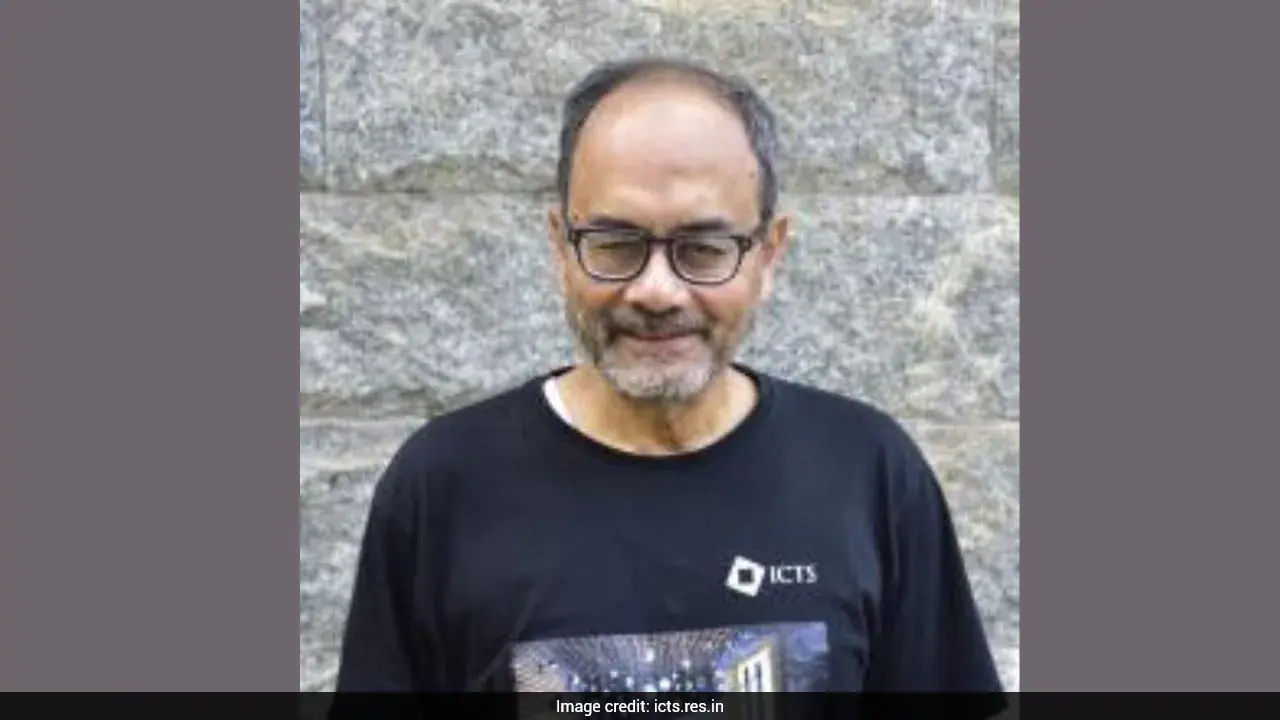
In October 2026, Kochi-based architecture student Radhakrishnan M. S. received the 28th Charles Correa Gold Medal in Mumbai. His thesis, “Energy Commons: Reimagining Energy Infrastructure as a Place for Civic Engagement,” explored how urban energy infrastructure can be integrated with accessible civic space.
About the Charles Correa Gold Medal
- The annual award was initiated in 1998 by architect and urbanist Charles Correa to recognise excellence in undergraduate architectural thesis projects.
- It is administered by the Charles Correa Foundation (CCF) and encourages students to address contemporary social, spatial and urban challenges through design.
- Since 2022, architecture colleges across India have been invited to participate; earlier participation was limited mainly to Mumbai and Goa.
- The 2026 Gold Medal carried a cash prize of ₹25,000.
Eligibility and Selection
- The participating architecture college must be located in India and approved by the Council of Architecture (COA).
- Each college may nominate one final-year architectural thesis, and the student must be the sole author.
- The project site must be located in India and relate to a real-life issue connected with the current theme.
- A jury of architects and academics evaluates entries on site, context, clarity of design thinking and response to real-world problems.
2025–27 Focus: Equitability through Design
- For the three-year cycle beginning in 2025, the medal focuses on “Equitability through Design.”
- The theme asks “Who are we designing for?”, drawing attention to unequal access to space, shelter, infrastructure and the commons.
- It therefore encourages architecture that responds to inclusion, accessibility and spatial inequality, rather than focusing only on aesthetics.
Charles Correa and His Architectural Significance
- Charles Correa (1930–2015) was a leading Indian architect and urban planner associated with post-Independence architecture and urban development.
- His work adapted modern architecture to Indian climate, local culture, housing needs and urban conditions.
- Major works include the Gandhi Memorial Museum at Sabarmati Ashram, Jawahar Kala Kendra, Bharat Bhavan and several housing projects.
- Correa played an important role in planning Navi Mumbai and later became the first Chairman of the National Commission on Urbanisation.
- His major honours included the RIBA Royal Gold Medal (1984) and Padma Vibhushan (2006).
FAQs
Q1. Who initiated the Charles Correa Gold Medal?
Architect and urbanist Charles Correa in 1998.
Q2. Which organisation administers the medal?
The Charles Correa Foundation (CCF).
Q3. Who can participate?
Final-year architecture students nominated by COA-approved Indian colleges.
Q4. What is the 2025–27 theme?
“Equitability through Design.”
Q5. Why is Charles Correa significant in Indian architecture?
He helped shape post-Independence Indian architecture and urban planning through climate-responsive, socially grounded design.