Context
Geopolitical conflicts and the risk of a strong El Niño threaten Indian agriculture through rising input costs and weather-related crop losses. These risks highlight growing dependence on fossil-fuel-based inputs and competition between food and biofuel production.
Key Dimensions of Fossil-Fuel Dependence in Agriculture
- Fossilisation of Agriculture:
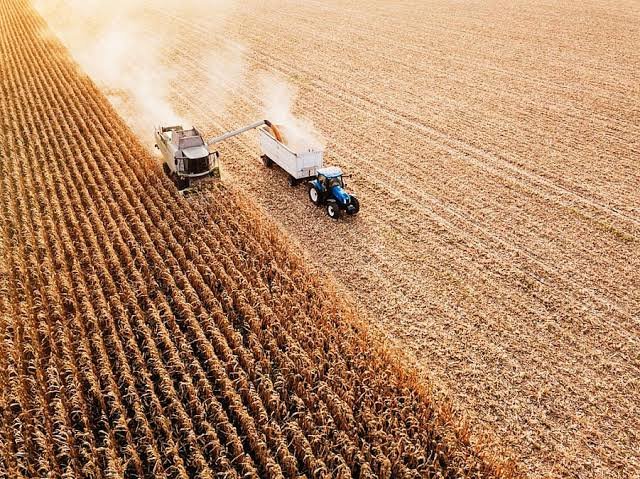
- Growing mechanisation: Tractors increased from around 8,500 in 1950–51 to over 1.2 crore by 2025–26, replacing much animal-powered farming.
- Rising fertiliser use: NPK fertiliser consumption rose from 69,800 tonnes to 33.5 million tonnes during this period. Urea and Di-ammonium Phosphate (DAP) accounted for around 67.5% of consumption.
- This growing dependence on fuel-powered machinery and chemical fertilisers makes farming vulnerable to energy price shocks.
- Dependence on Petrochemical Inputs:
- Fertilisers and pesticides: Natural gas is an important input for nitrogen fertilisers, while petrochemicals are used to manufacture pesticides.
- Sulphur dependence: Sulphur, largely recovered from oil and gas processing, is used in phosphatic fertilisers such as DAP and Single Super Phosphate (SSP).
- Geopolitical risk: Wars and supply disruptions can increase input costs, raising farmers’ production expenses.
- Fuelisation of Food:
- Biofuel production: Sugarcane, maize and rice are used to produce ethanol, while vegetable oils are converted into Fatty Acid Methyl Esters (FAME) for biodiesel. India targets 20% ethanol blending in petrol.
- Food-versus-fuel competition: High crude oil prices can encourage the diversion of food crops and edible oils towards biofuels, potentially affecting food availability and prices.
Risks to Agricultural Sustainability
- Combined Energy and Climate Shock:
- Climate risk: El Niño can cause heat stress, irregular rainfall and crop losses.
- Economic impact: Rising energy and fertiliser prices threaten food security. In 1979–80, agriculture contracted by 8%, while the oil import bill doubled after the Iranian Revolution.
- Inefficient Use of Agricultural Inputs:
- Low nutrient-use efficiency: Crops absorb only about one-third of urea nitrogen; much of DAP phosphorus becomes unavailable due to soil fixation.
- Rising costs: Excessive fertiliser and pesticide use increases production costs and environmental pressure.
- Climate Vulnerability Despite Improved Resilience:
- Diversification: Dairying, poultry, aquaculture and horticulture reduce dependence on crop farming alone.
- Irrigation: Coverage rose from 1% in 1950–51 to around 56% of gross cropped area, but rainfall dependence remains.
Way Forward for Sustainable Agriculture
- Nutrient-Use Efficiency: Shift to soil-test-based application via SHC (Soil Health Card), customized NPK blends, and NCU (Neem Coated Urea) to reduce excessive chemical run-off and fiscal subsidy load.
- Lowering Petrochemical Dependence: Integrate IPM (Integrated Pest Management), bio-stimulants, and bio-pesticides to decrease reliance on petroleum-derived crop protection inputs.
- Solarized Micro-Irrigation: Deploy solar irrigation pumps under PM-KUSUM (Pradhan Mantri Kisan Urja Suraksha evam Utthaan Mahabhiyan) alongside drip and sprinkler systems for water and energy conservation.
- Food vs. Fuel Balance: Dynamically align EBP (Ethanol Blended Petrol) targets with domestic grain availability, prioritizing 2G (Second Generation) non-food ethanol during crop shortfalls.
- Climate-Resilient Farming: Scale up ZBNF (Zero Budget Natural Farming) and crop diversification to build resilient food supply chains against global energy price shocks.
FAQs
Q1. What does fossilisation of agriculture mean?
Ans. It refers to the growing dependence of farming on fossil fuels and petroleum-based inputs, including mechanisation, fertilisers and pesticides.
Q2. What is fuelisation of food?
Ans. It is the use of agricultural crops and edible oils for biofuel production, which can create competition between food supplies and energy needs.
Q3. How can geopolitical conflicts affect Indian agriculture?
Ans. Conflicts can disrupt oil, natural gas and sulphur supplies, increasing the cost or reducing the availability of fertilisers, pesticides and irrigation energy.
Q4. How can El Niño threaten India’s food security?
Ans. El Niño can alter rainfall patterns and increase heat stress, potentially reducing crop yields and agricultural output.