Context
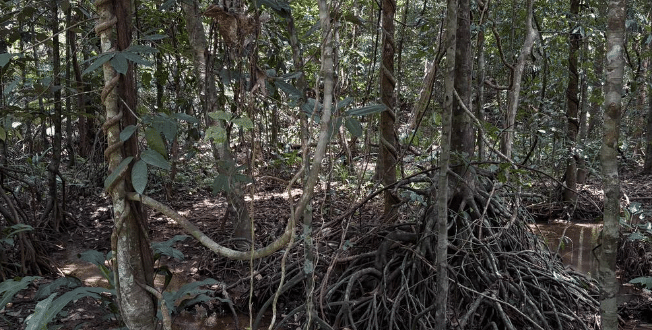
The Kerala State Biodiversity Board (KSBB) has launched India’s first state-level Red List Assessment of Ecosystems (RLE) project to assess the risk of ecosystem collapse in Kerala.
About the Project
- Objective: To assess ecosystem vulnerability and shift conservation from individual species protection to integrated, landscape-level ecosystem management.
- Framework: Uses the International Union for Conservation of Nature (IUCN) Red List of Ecosystems (RLE) to evaluate ecosystem collapse risk.
- Funding Agency: Kerala State Biodiversity Board (KSBB).
- Implementing Agencies: Kerala Forest Research Institute (KFRI) and MES Asmabi College.
- Duration and Coverage: A two-year assessment covering all 14 districts of Kerala, including mountain, inland, and coastal ecosystems.
Significance
- Threat Identification: Identifies climate change and human-induced threats to forests, rivers, and coastal ecosystems.
- Evidence-Based Planning: Provides spatial data for conservation and sustainable infrastructure development.
- Preventive Conservation: Helps protect vulnerable ecosystems before damage becomes irreversible.
FAQs
Q1. What is the Red List Assessment of Ecosystems (RLE)?
Ans. The RLE is an IUCN framework that assesses the risk of ecosystem collapse.
Q2. Which organisations are implementing the project?
Ans. The Kerala Forest Research Institute (KFRI) and MES Asmabi College.
Q3. How does RLE differ from the IUCN Red List of Threatened Species?
Ans. The RLE assesses ecosystem collapse risk, while the Red List of Threatened Species assesses the extinction risk of individual species.