Context
A recent camera-trap survey documented diverse wildlife in Lankamalleswara Wildlife Sanctuary. The findings highlight the sanctuary’s ecological importance and rich biodiversity.
Key Facts about the Sanctuary
- Location: Lankamalai hill ranges, Kadapa district, Andhra Pradesh, in the Deccan Plateau.
- Area and Status: Covers 464.42 sq. km and was notified as a wildlife sanctuary in 1988.
- River System: Part of the Pennar River catchment, with streams, springs, and water reservoirs.
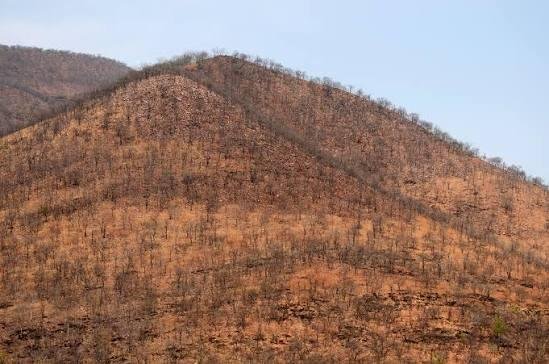
- Vegetation: Dry deciduous, tropical thorn forests, dry evergreen scrub, and other scrub vegetation.
- Flora: Notable species include Red Sanders (Pterocarpus santalinus), endemic to the southern Eastern Ghats, and sandalwood. Riverbanks support diverse vegetation, including jamun, wild mango, bamboo, and Hardwickia binata.
- Fauna: Leopards, sloth bears, sambar, spotted deer, wild boars, wild dogs, and diverse reptiles and birds.
- Conservation Significance: Key habitat of Jerdon’s courser, a nocturnal, Critically Endangered bird endemic to India (recorded in Lankamalla Hills in August 2025).
FAQs
Q1. Where is Lankamalleswara Wildlife Sanctuary located?
Ans. It is located in Kadapa district, Andhra Pradesh, in the Lankamalai hill ranges.
Q2. Which endangered bird is associated with the sanctuary?
Ans. The Jerdon’s courser, a Critically Endangered bird endemic to India, is its most significant conservation species.
Q3. Which type of forest is found in the sanctuary?
Ans. The sanctuary mainly contains southern tropical dry deciduous forests, along with thorn forests, scrub and dry evergreen vegetation.
Q4. Which river catchment does the sanctuary form part of?
Ans. It forms part of the Pennar River catchment.