Context
- A recent International Agency for Research on Cancer (IARC) analysis estimated that infections caused about 2.3 million new cancer cases worldwide in 2024, or nearly 12% of all new cancers.
- Epstein–Barr virus (EBV) was among the important cancer-causing infectious agents assessed, particularly for its association with certain lymphomas, nasopharyngeal cancer and gastric cancer.
Nature of EBV
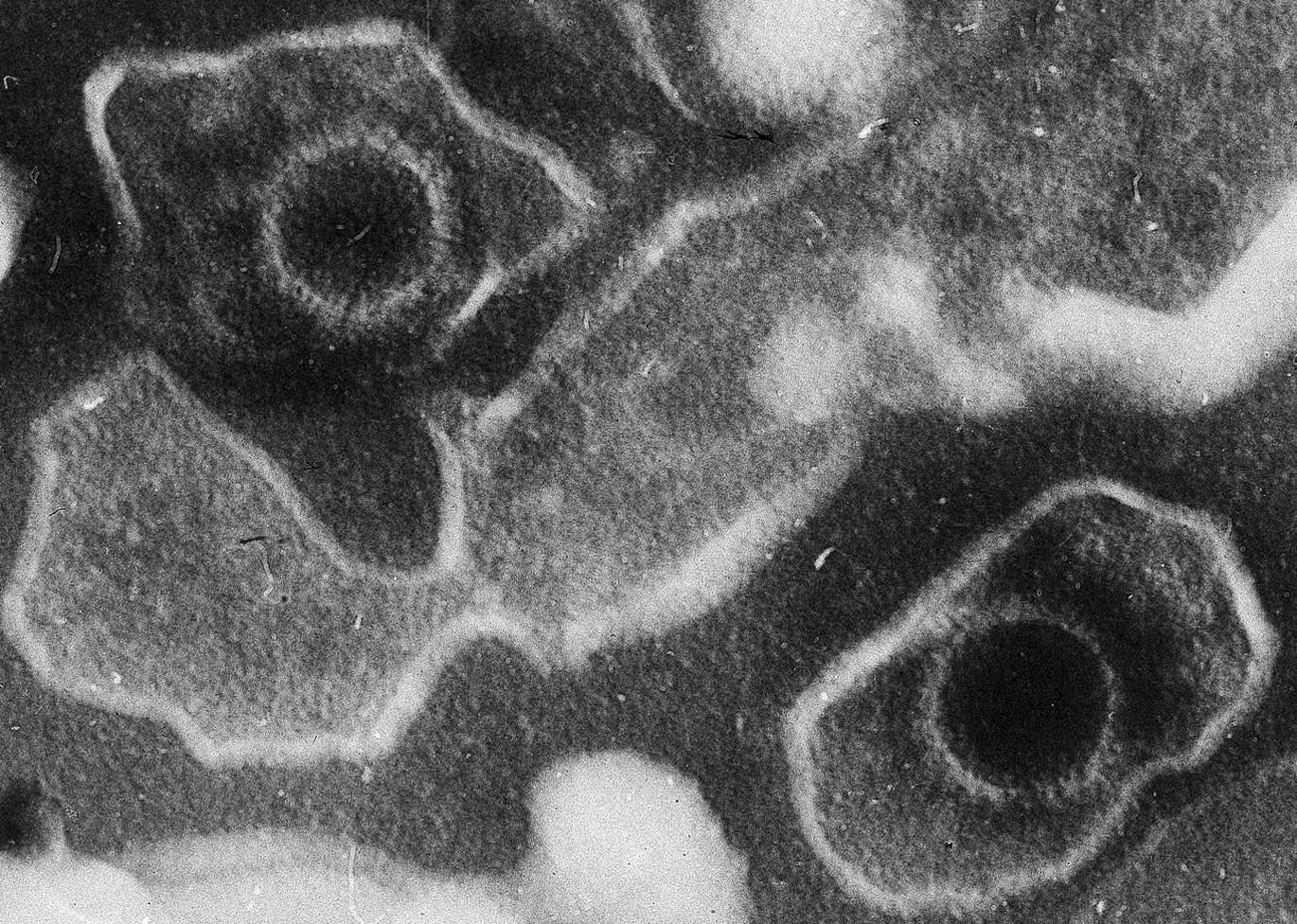
- Epstein–Barr virus (EBV), also known as Human Herpesvirus 4 (HHV-4), belongs to the herpesvirus family.
- It is a very common human virus, and many people acquire the infection during childhood or adolescence.
- After primary infection, EBV remains latent in the body for life.
- The virus may later reactivate; symptomatic reactivation is more likely when immunity is weakened.
Transmission of EBV
- EBV spreads mainly through saliva.
- Transmission may occur through kissing or sharing drinks, food, utensils and toothbrushes.
- Less commonly, the virus may also spread through blood, semen, blood transfusion or organ transplantation.
Clinical Features
- Many EBV infections produce no symptoms, particularly during childhood.
- When symptoms occur, they may include fever, sore throat, swollen lymph nodes and marked fatigue.
- EBV is the most common cause of infectious mononucleosis, especially among adolescents and young adults.
- In most uncomplicated cases, symptoms gradually improve with supportive care, although fatigue may persist for some time.
EBV and Cancer Risk
- IARC classifies EBV as a Group 1 carcinogen, meaning there is sufficient evidence that it can cause cancer in humans.
- EBV is causally associated with malignancies such as Burkitt lymphoma, Hodgkin lymphoma, some immunosuppression-related lymphomas and nasopharyngeal carcinoma.
- It is also associated with a proportion of gastric cancers.
- Only a small proportion of EBV-infected individuals develop cancer.
- Cancer risk reflects the interaction of viral factors, host susceptibility, immune status and environmental influences, rather than EBV infection alone.
Treatment
- There is no specific treatment that eliminates latent EBV infection.
- Most uncomplicated infections are managed with rest, adequate fluids and medicines to relieve fever or pain.
- Severe EBV-related complications require condition-specific medical treatment.
- EBV-associated cancers are treated according to the type and stage of the malignancy.
Prevention
- There is currently no licensed vaccine against EBV.
- Transmission risk can be reduced by avoiding kissing and exchange of saliva with an infected person.
- Avoid sharing drinks, food, utensils and toothbrushes, particularly during active illness.
- Since EBV can remain in saliva even after symptoms improve, complete prevention of transmission is difficult.
FAQs
Q1. What is Epstein–Barr virus?
It is Human Herpesvirus 4, a common member of the herpesvirus family.
Q2. How does EBV spread?
It spreads mainly through saliva and close contact involving exchange of saliva.
Q3. What disease is commonly caused by EBV?
It is the most common cause of infectious mononucleosis.
Q4. Is EBV carcinogenic?
Yes. IARC classifies EBV as a Group 1 carcinogen.
Q5. Which cancers are associated with EBV?
Important examples include Burkitt lymphoma, Hodgkin lymphoma, nasopharyngeal carcinoma and a proportion of gastric cancers.