Context
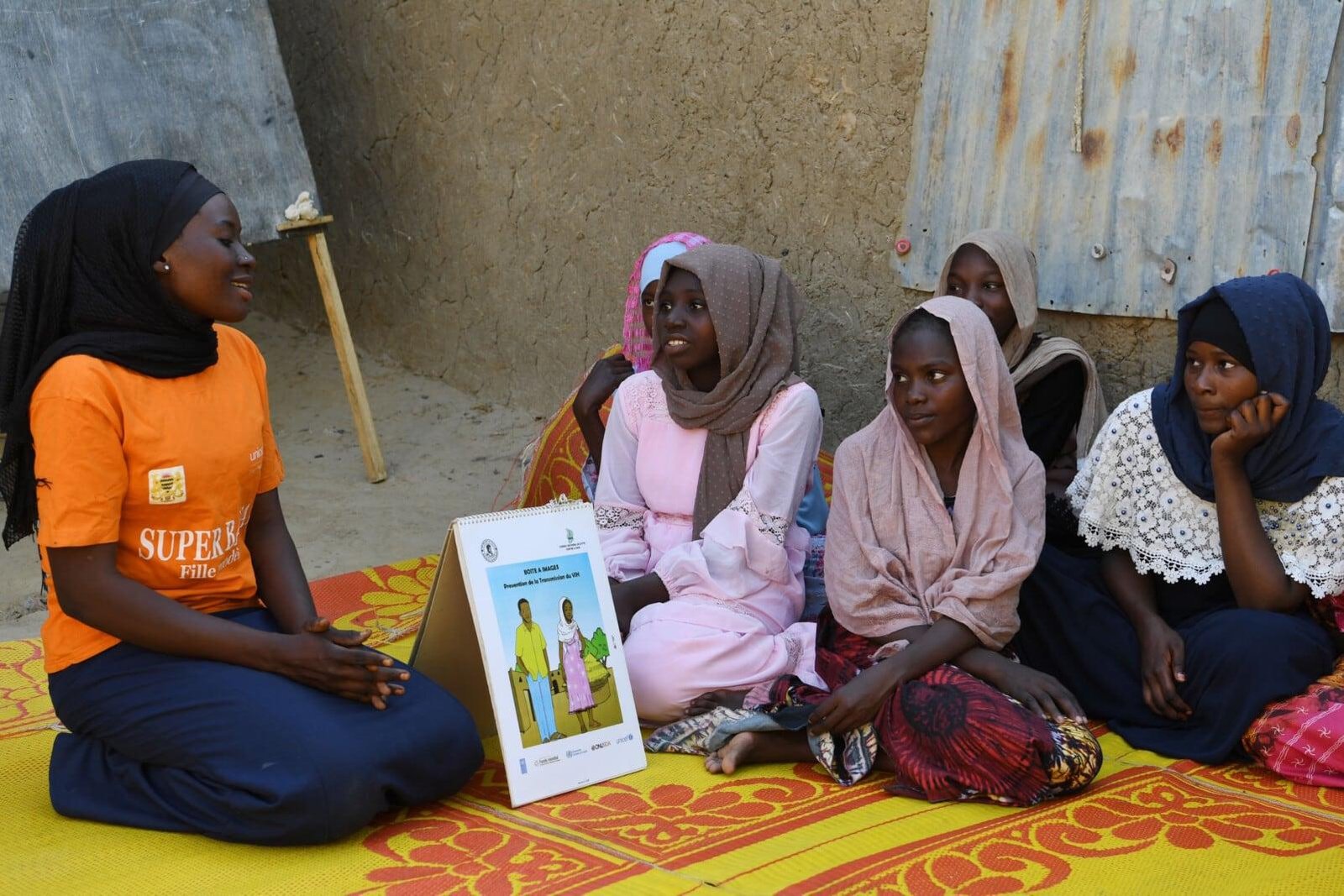
Recent NFHS-6 (2023–24) findings show that India has made major progress in fertility reduction, but family-planning responsibility remains highly unequal. Among currently married women aged 15–49, 36.5% report female sterilisation, while male sterilisation is only 0.5%, highlighting the continuing feminisation of contraceptive responsibility.
Fertility Transition without Gender-Equal Responsibility
- India has undergone a major demographic transition, with the Total Fertility Rate (TFR) falling substantially over recent decades.
- According to NFHS-6, India’s TFR is 2.0, below the commonly used replacement level of about 2.1 children per woman.
- Replacement-level fertility is the fertility rate at which one generation replaces itself in the absence of migration.
- Contraceptive prevalence among currently married women increased from 66.7% in NFHS-5 to 69.1% in NFHS-6, while unmet need declined from 9.4% to 8.5%.
- Thus, India has progressed in population stabilisation and contraceptive access, but not equally in the sharing of reproductive responsibility.
Gender Gap in Contraceptive Use
- Female sterilisation remains dominant: Around 36.5% of currently married women aged 15–49 report using female sterilisation.
- Male sterilisation remains negligible: Vasectomy is reported at only 0.5%, despite being a simpler permanent contraceptive procedure.
- The gap has widened over time: female sterilisation increased from 27.4% in NFHS-1 to 36.5% in NFHS-6, while male sterilisation declined from 3.5% to 0.5%.
- This indicates a clear feminisation of contraceptive responsibility, with women bearing a disproportionate share of permanent family-planning interventions.
- The issue therefore is not merely contraceptive access, but also gender equity, bodily autonomy and shared reproductive responsibility.
Why Does the Imbalance Persist?
- Patriarchal norms: Family planning is often considered primarily a woman’s responsibility.
- Myths about vasectomy: Fear of weakness, reduced masculinity or sexual dysfunction discourages male participation.
- Programme orientation: Family-planning services have historically focused strongly on women, especially around childbirth.
- Limited male counselling: Men are often less involved in reproductive-health counselling and decision-making.
- Low use of spacing methods: Dependence on permanent sterilisation reduces the role of shared, reversible contraceptive choices.
Towards Gender-Equal Family Planning
- Shift from a women-centred model to a couple-centred reproductive-health approach.
- Expand awareness and counselling on non-scalpel vasectomy and reversible contraceptive methods.
- Increase male participation through primary healthcare, workplaces and community institutions.
- Ensure wider access to a diverse contraceptive basket, particularly spacing methods.
- Evaluate family-planning success not only through lower fertility, but also through informed choice, reproductive autonomy and gender-equitable responsibility.
FAQs
Q1. What is replacement-level fertility?
It is the fertility level at which a population replaces itself, generally around 2.1 children per woman.
Q2. What is India’s TFR according to NFHS-6?
India’s TFR is 2.0.
Q3. What is the level of female sterilisation in NFHS-6?
About 36.5% of currently married women aged 15–49 report female sterilisation.
Q4. What is the level of male sterilisation?
Only about 0.5%.
Q5. What is the main gender concern?
India has reduced fertility successfully, but contraceptive responsibility continues to fall disproportionately on women.