- Global copper prices recently surged to around US$14,700 per tonne, reaching record levels.
- The rally reflects a combination of tight mine supply and rapidly growing demand from electricity grids, electric vehicles, renewable energy systems and digital infrastructure.
- Rising prices underline copper’s transition from a conventional industrial metal to an increasingly strategic mineral for electrification and the clean-energy transition.
What Is Copper?
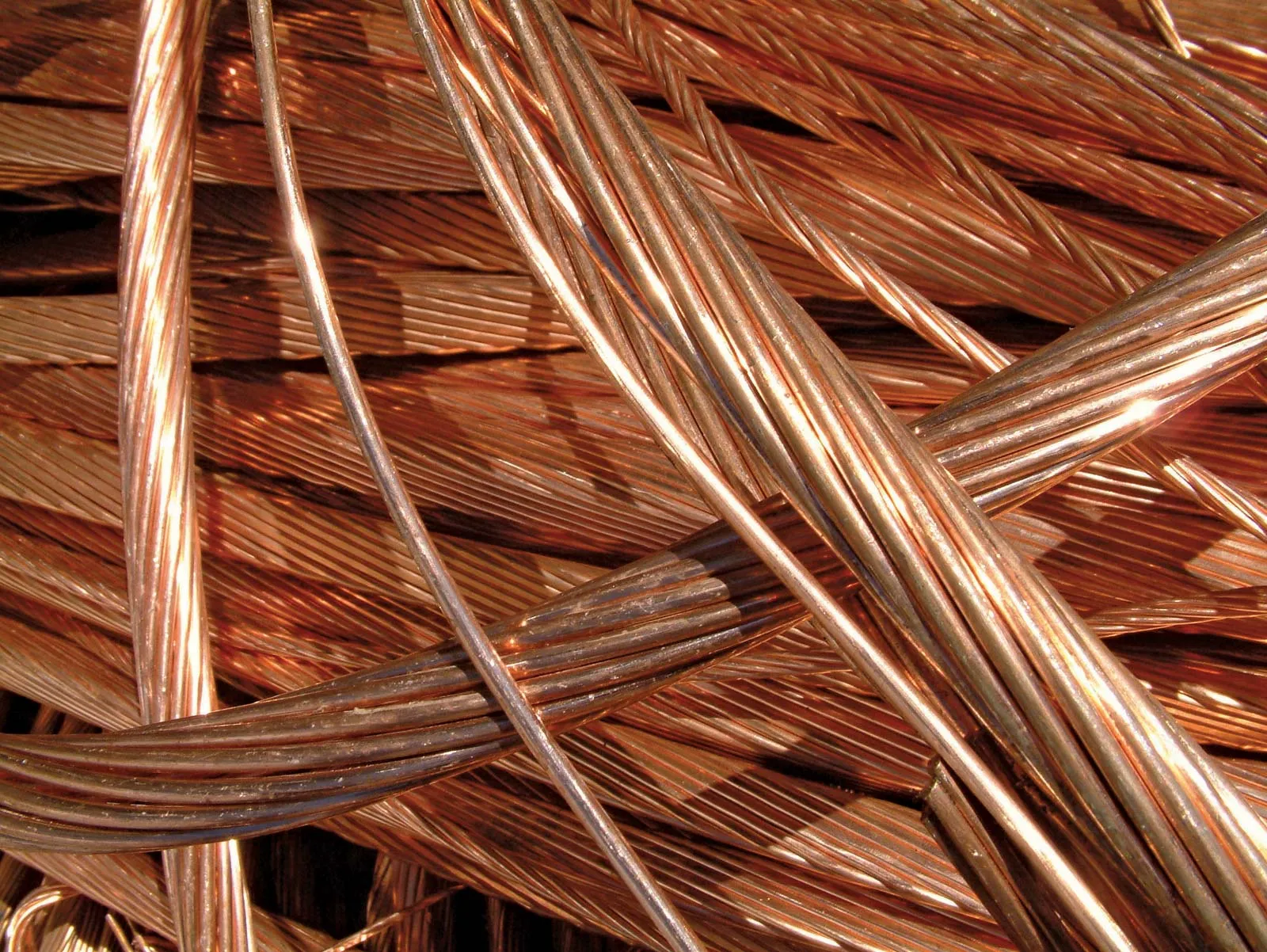
- Copper (Cu) is a naturally occurring metallic element found both in native form and in mineral ores.
- Important copper-bearing minerals include:
- Chalcopyrite
- Chalcocite
- Bornite
- It is one of the most widely used non-ferrous metals because of its favourable electrical and mechanical properties.
Key Properties of Copper
- High electrical conductivity: Makes it highly suitable for transmission lines, wiring, motors and electronics.
- High thermal conductivity: Useful in cooling systems, heat exchangers and industrial equipment.
- Ductility and malleability: Allows copper to be converted easily into wires, sheets and components.
- Corrosion resistance: Improves durability in infrastructure and industrial applications.
- High recyclability: Copper can be repeatedly recovered and reused with little loss of performance.
These properties make copper difficult to substitute completely in many high-performance electrical applications.
Major Copper Regions
India
India’s important copper-bearing regions include:
- Khetri Copper Belt — Rajasthan
- Malanjkhand — Madhya Pradesh
- Singhbhum Copper Belt — Jharkhand
Malanjkhand is one of India’s most important copper mining centres.
World
Major global copper reserve and production centres are concentrated in countries such as:
- Chile
- Peru
- Democratic Republic of Congo
- Russia
- Mexico
Chile possesses the world’s largest major copper reserve base.
Why Are Copper Prices Rising?
- Constrained mine supply
New copper mines require long exploration, environmental-clearance and construction periods, limiting rapid supply expansion.
- Declining ore quality
Lower ore grades at some mature mines mean that more material must be processed to obtain the same amount of copper, increasing costs.
- Electrification boom
Expansion of electricity grids, electric vehicles and charging infrastructure is increasing structural copper demand.
- Renewable-energy expansion
Solar and wind installations require substantial cabling, transformers and grid connections.
- Digital infrastructure
Data centres and AI-related computing facilities require extensive electrical equipment, power connections and cooling infrastructure.
Thus:
Slow supply growth + Rapid electrification + Green transition + Digital expansion → Upward pressure on copper prices
Why Is Copper Strategically Important?
- Power-system backbone: Expansion and modernisation of electricity grids depend heavily on copper conductors and equipment.
- Clean-energy transition: Renewable generation must be connected, transmitted and distributed through copper-intensive electrical systems.
- Electric mobility: EV motors, power electronics and charging networks significantly increase demand for copper.
- Digital economy: Telecommunications, electronics, semiconductors and data centres depend on reliable copper-based electrical connectivity.
Copper therefore sits at the intersection of:
Energy security → Electrification → Industrialisation → Digitalisation
India’s Copper Challenge
India’s expanding electricity, renewable-energy, EV and electronics sectors are increasing copper requirements faster than domestic mine output.
Import exposure
Limited domestic mining increases dependence on imported copper concentrates and other copper inputs.
Price vulnerability
Higher international prices can raise costs for power infrastructure, automobiles, electronics and renewable-energy projects.
Supply concentration
Dependence on a relatively small number of major producing countries exposes India to geopolitical, logistical and mining disruptions.
Therefore, copper availability is increasingly an issue of industrial and energy security, not merely commodity trade.
Policy Priorities for India
- Expand domestic exploration: Improve geological mapping and accelerate economically viable copper-resource development.
- Raise mine productivity: Modern technology and efficient extraction can improve output from existing copper belts.
- Diversify overseas sourcing: Long-term partnerships with multiple producing countries can reduce concentration risk.
- Strengthen recycling: Recovery from cables, electronics, motors and industrial scrap can create an important secondary source.
- Build circular supply chains: Better collection, segregation and processing of copper-bearing waste can reduce pressure on primary imports.
The policy objective should therefore be:
Domestic mining + Diversified imports + Recycling → Greater copper security
FAQs
Q1. What is the chemical symbol of copper?
The chemical symbol of copper is Cu.
Q2. Why is copper widely used in the electrical industry?
Because of its high electrical conductivity, ductility and durability.
Q3. What are the major copper belts of India?
Khetri in Rajasthan, Malanjkhand in Madhya Pradesh and Singhbhum in Jharkhand.
Q4. Which country has the largest major copper reserve base?
Chile.
Q5. Why is copper becoming strategically important?
Because electricity grids, renewable energy, EVs and digital infrastructure are becoming increasingly copper-intensive.