Context
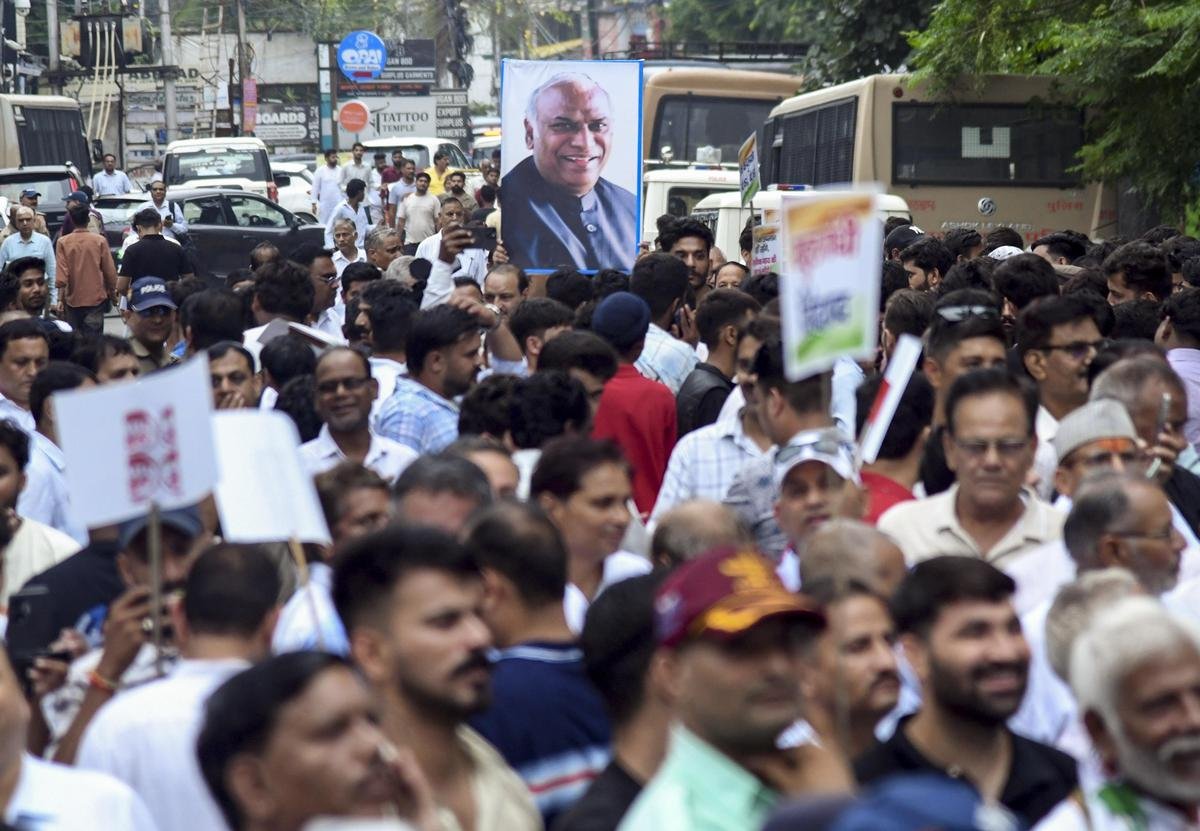
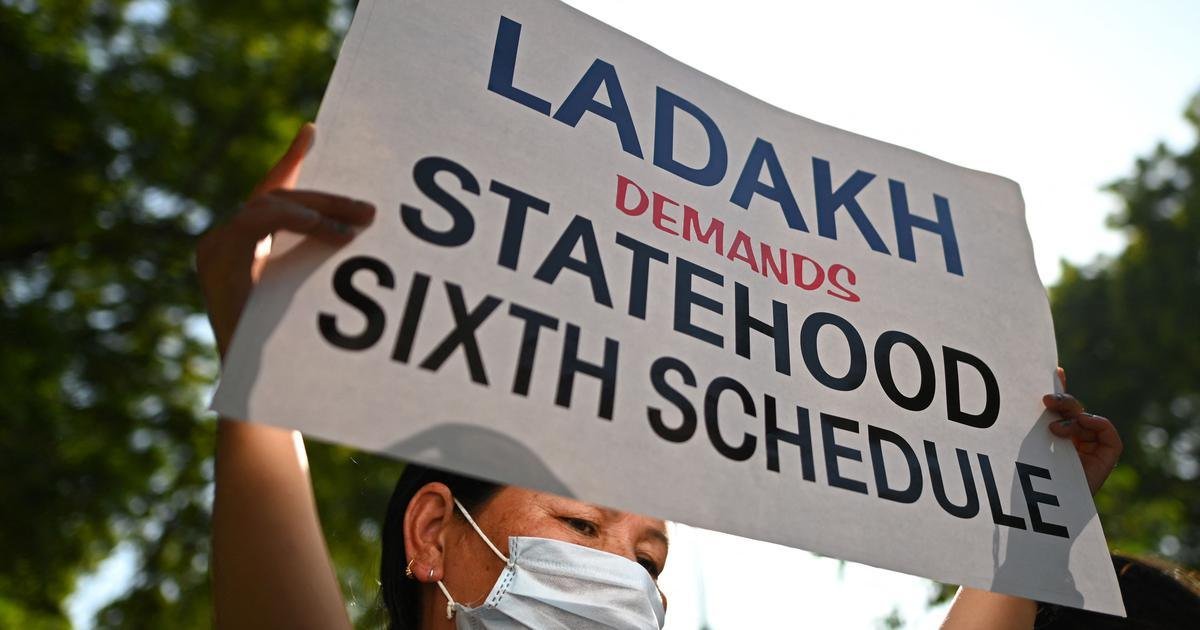
- Ladakh continues to demand full statehood and inclusion in the Sixth Schedule of the Constitution.
- The demand gained momentum after the 2019 reorganisation of Jammu and Kashmir, under which Ladakh became a Union Territory without a Legislative Assembly, while Jammu and Kashmir retained a legislature.
- The major concerns include political representation, protection of land and cultural identity, local employment and greater administrative autonomy.
Evolution of Ladakh’s Administrative Status
- Before 2019, Ladakh was part of the erstwhile State of Jammu and Kashmir.
- Ladakh’s distinct geography, culture and social characteristics had long generated demands for a separate administrative arrangement.
- Its creation as a UT provided a separate administrative identity but did not provide an elected legislature.
Major Demands
The movement in Ladakh centres on four broad demands:
- Full statehood for greater legislative and political representation.
- Sixth Schedule protection for tribal identity, land and local interests.
- A separate Public Service Commission for local recruitment.
- Two Lok Sabha seats to strengthen parliamentary representation.
Existing Governance Structure
- Ladakh has two Autonomous Hill Development Councils (LAHDCs):
-
- Leh
- Kargil
- They deal with local matters such as land, education, health and tourism. However, they do not have powers equivalent to a full-fledged Legislative Assembly.
Significance of the Sixth Schedule
- The Sixth Schedule provides autonomous governance arrangements for specified tribal areas in Assam, Meghalaya, Tripura and Mizoram
- Its Autonomous District and Regional Councils provide safeguards relating to:
-
- Tribal identity and customary practices
- Land and local interests
- Certain legislative, administrative and judicial matters
- Ladakh seeks similar constitutional protection because of its significant tribal population and distinct cultural identity.
Proposed Alternative Governance Model
The government has considered a special elected body at the Union Territory level as an alternative to immediate statehood.
- The proposed arrangement would provide greater executive, financial and legislative authority to an elected local body.
- Panchayati Raj Institutions would form part of the local governance structure.
- The Lieutenant Governor (LG) would continue to head the UT.
- A key unresolved issue is the relationship between the proposed body and the existing Leh and Kargil Hill Councils.
Key Challenges
- Democratic Representation: The absence of a Legislative Assembly limits the scope of elected representation in Ladakh’s UT-level governance.
- Tribal and Cultural Protection: Residents seek stronger safeguards for land, culture, language and local interests, particularly for tribal communities.
- Institutional Overlap: A clear division of powers is required among the LG, Hill Councils, Panchayati Raj Institutions and any proposed elected UT-level body.
- Security Considerations: Ladakh borders Pakistan and China and is close to both the Line of Control (LoC) and the Line of Actual Control (LAC). Its governance structure must therefore also account for strategic and security requirements.
Way Forward
- Establish a clearly defined distribution of powers among all levels of governance.
- Provide meaningful local authority over land, culture, employment and development.
- Strengthen safeguards for tribal and cultural interests.
- Clarify the future powers and role of the Leh and Kargil Hill Councils.
- Maintain continuous dialogue with local stakeholders while safeguarding national security interests.
Conclusion
Ladakh’s demand is fundamentally about democratic representation, constitutional protection and local autonomy. A durable solution should address these aspirations while recognising the region’s distinct socio-cultural character and strategic importance.
FAQs
Q1. Why did Ladakh become a Union Territory in 2019?
The 2019 reorganisation of Jammu and Kashmir separated Ladakh from the former State and established it as a Union Territory without a Legislative Assembly.
Q2. What are the two Autonomous Hill Development Councils in Ladakh?
The LAHDCs of Leh and Kargil are the principal local governance institutions in Ladakh.
Q3. Which States are covered by the Sixth Schedule?
The Sixth Schedule applies to specified tribal areas in Assam, Meghalaya, Tripura and Mizoram.
Q4. Why does Ladakh seek Sixth Schedule protection?
The demand seeks stronger constitutional safeguards for tribal identity, land, culture and local governance.
Q5. How is statehood different from Sixth Schedule status?
Statehood provides a State-level political and legislative structure, whereas the Sixth Schedule provides autonomous institutions and safeguards for specified tribal areas.
Q6. Why is the existing Hill Council system considered insufficient by the protesters?
The Hill Councils handle several local functions but do not possess the legislative authority of a State Legislature, leading to demands for greater political autonomy.
Q7. Why is national security an important consideration in Ladakh’s governance?
Ladakh’s proximity to the LAC with China and LoC with Pakistan makes its administrative arrangements closely connected with border management and national security.