Context
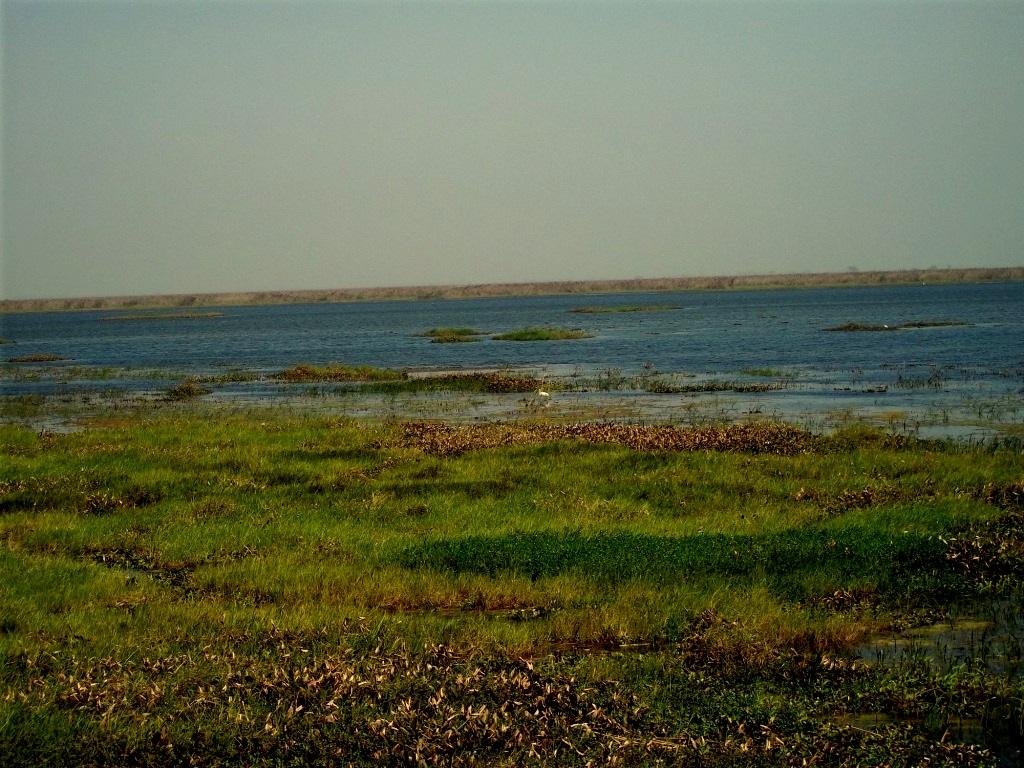
A recent study examined 25,000-year-old sediments from Bakhira Lake to trace past changes in the Indian monsoon and rainfall patterns in northern India.
About Bakhira Lake
- Location: Located in the Ghaghara–Rapti alluvial system of Uttar Pradesh.
- Formation: A perennial oxbow/floodplain wetland formed after the Rapti River changed course and cut off a meander.
- Ramsar Status: Designated a Ramsar Site in 2022; one of Uttar Pradesh’s major wetlands.
- Ecological Role: Supports migratory and resident waterbirds, especially during winter.
- Sediment Value: Its floodplain setting promotes the accumulation and preservation of sediments, useful for studying past environmental changes.
Oxbow Lakes
- Formation: Form when a river meander is cut off from the main channel, creating a separate water body.
- Occurrence: Common in river floodplains with frequent channel shifts.
- Features: Usually shallow and may shrink due to silt deposition.
- Importance: Support wetland biodiversity, fisheries and nearby agriculture.
Climate Research Significance
- Past Climate: Lake sediments preserve evidence of long-term environmental and monsoon changes.
- Monsoon Trends: They help trace variations in rainfall and monsoon intensity over thousands of years.
- Future Assessment: Past climate records provide a baseline for understanding future monsoon changes.
FAQs
Q1. Where is Bakhira Lake located?
Ans. It lies in the Ghaghara–Rapti alluvial system of Uttar Pradesh.
Q2. When was Bakhira Lake designated a Ramsar Site?
Ans. It was designated as a Ramsar Site in 2022.
Q3. What is an oxbow lake?
Ans. It is a water body formed when a meander loop of a river gets cut off from the main channel.