Context
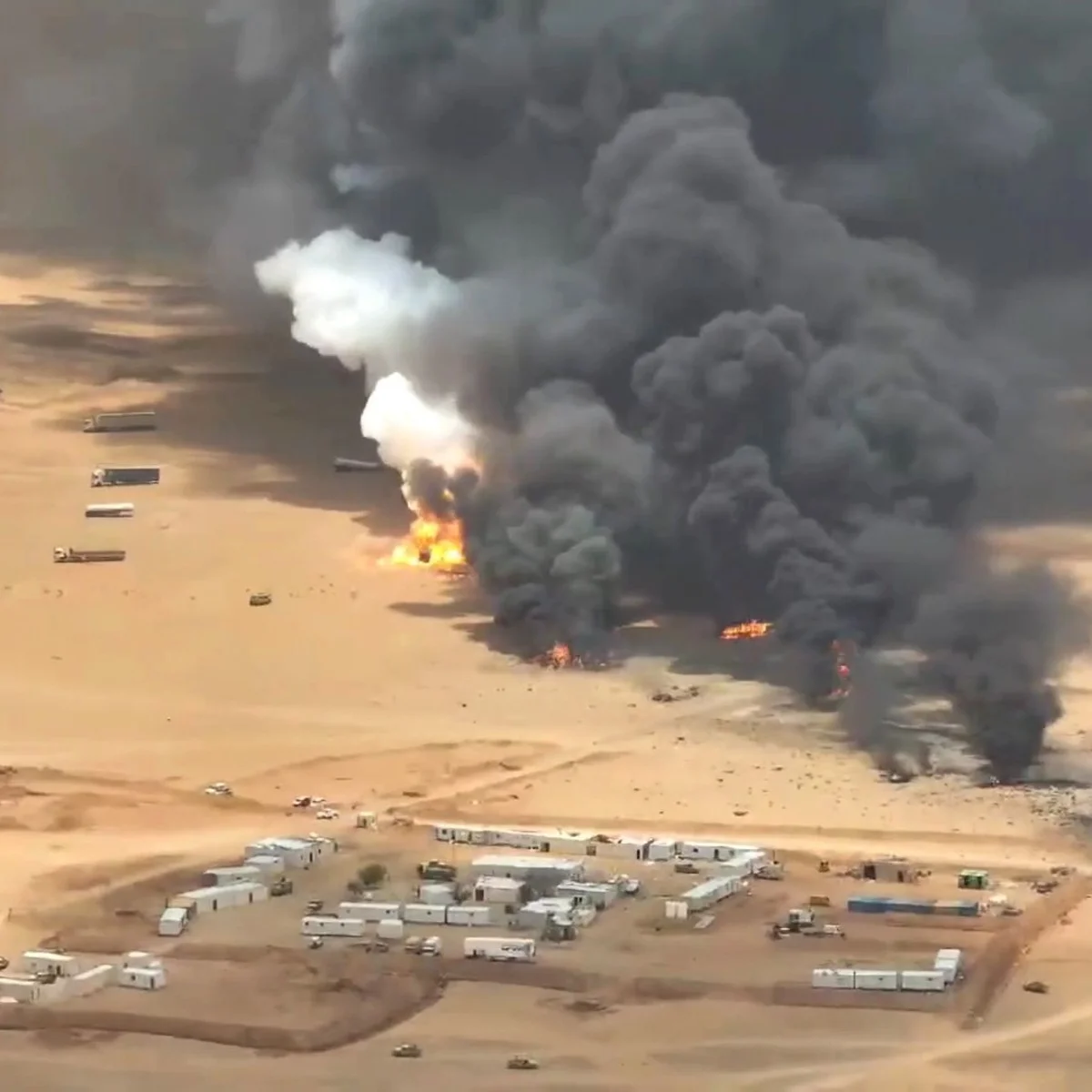
- The Houthi forces attacked multiple locations in southern Saudi Arabia, including Abha, Khamis Mushait, Najran and Jazan.
- The US Department of the Treasury imposed sanctions on 36 targets linked to Iran’s aviation sector under Operation Economic Outcast.
Background
- The Houthis, also known as Ansar Allah, are a major armed and political movement in Yemen. Their activities have acquired a regional dimension through attacks on Saudi territory and commercial shipping in the Red Sea and Gulf of Aden.
- The conflict consequently has implications beyond Yemen, particularly for regional security and maritime navigation.
Houthi Attacks on Southern Saudi Arabia
The reported attack locations are significant for their military, energy and geographical importance:
- Khamis Mushait: An important Saudi military location with an air base.
- Abha: Located near important oil-distribution infrastructure.
- Najran: Situated close to the Saudi Arabia–Yemen border.
- Jazan: A major Red Sea port city near Yemen, with important oil-refining and power-generation facilities.
The attacks highlight the vulnerability of border regions and critical infrastructure during regional escalation.
Red Sea Geography
The location of Jazan on the Red Sea coast makes the surrounding maritime geography relevant to the issue.
The Red Sea is bordered by:
Egypt, Sudan, Eritrea, Djibouti, Yemen and Saudi Arabia.
Important geographical features include:
- Gulf of Aqaba: Located in the northern part of the Red Sea region.
- Bab al-Mandeb Strait: Connects the Red Sea with the Gulf of Aden.
- Gulf of Aden: Opens towards the Arabian Sea.
- Suez Canal: Connects the Red Sea with the Mediterranean Sea.
- Sinai Peninsula: Lies in the northern Red Sea region.
Strategic Significance
The Bab al-Mandeb–Red Sea–Suez Canal route forms an important maritime connection between the Indian Ocean region and the Mediterranean.
Insecurity along this route can:
- Disrupt commercial shipping and freedom of navigation.
- Force vessels to adopt longer alternative routes.
- Increase transportation and logistics costs.
- Put pressure on global supply chains and energy movement.
The issue therefore extends beyond the immediate conflict zone and has implications for the wider international economy.
US Sanctions on Iran
The US Treasury’s Office of Foreign Assets Control (OFAC) sanctioned 36 targets associated with Iran’s aviation sector under Operation Economic Outcast.
The measures target:
- Iranian airlines.
- Front companies and foreign intermediaries.
- Procurement and transshipment networks.
- Entities involved in obtaining US-origin aircraft and sensitive technology.
According to the US Treasury, these networks facilitate the movement of weapons, personnel and illicit cargo. The sanctions seek to disrupt the financial and procurement channels supporting Iran’s aviation sector.
Implications for India
The security situation around the Red Sea, Bab al-Mandeb and Gulf of Aden is relevant to India because of its maritime and commercial interests in the region.
Key concerns include:
- Safety of Indian seafarers and vessels operating in the affected waters.
- Potential disruption to trade connectivity with markets to India’s west.
- Higher costs arising from longer shipping routes.
- Greater need for maritime risk assessment and contingency planning.
Way Forward
- Strengthen maritime security: International cooperation should protect commercial shipping and freedom of navigation in the Red Sea and Gulf of Aden.
- Promote regional de-escalation: Diplomatic efforts should prevent the Yemen conflict from expanding into a wider regional confrontation.
- Protect critical infrastructure: Greater preventive security is needed for vulnerable ports, energy facilities and military installations.
- Enhance maritime preparedness: Countries dependent on these routes should strengthen vessel monitoring, risk assessment and contingency arrangements.
Conclusion
The developments demonstrate how West Asian conflicts can generate wider maritime and economic consequences beyond their immediate theatre.
FAQs
- Why is the Bab al-Mandeb Strait strategically important?
It connects the Red Sea with the Gulf of Aden and forms an important link towards the wider Indian Ocean region. - How can instability in the Red Sea affect international trade?
Security risks can force ships to take longer alternative routes, increasing transit time and transportation costs. - What is meant by a sanctions procurement network?
It is a network of companies, intermediaries and financial channels used to obtain restricted goods, technology or services for a sanctioned entity. - Why are maritime chokepoints important in geopolitics?
Disruption at a chokepoint can affect shipping, trade flows and supply chains far beyond the immediate region. - Why is the Red Sea important for UPSC mapping?
It contains strategically important straits, gulfs, canals and littoral countries, making it relevant for location-based questions. - What recent US action was taken against Iran?
The US Treasury imposed sanctions on 36 targets linked to Iran’s aviation sector on 8 September 2026 under Operation Economic Outcast.